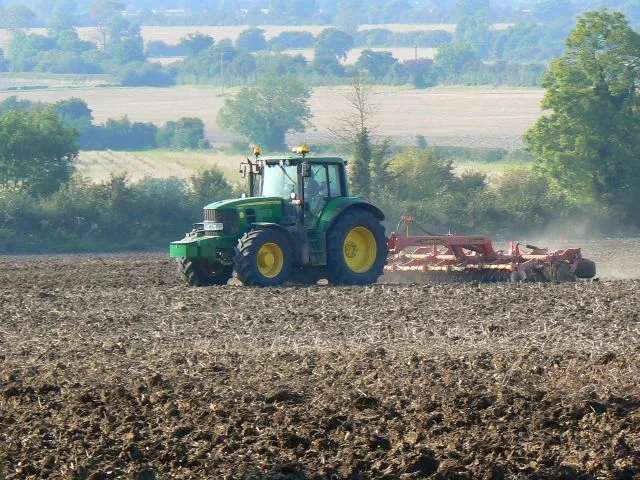
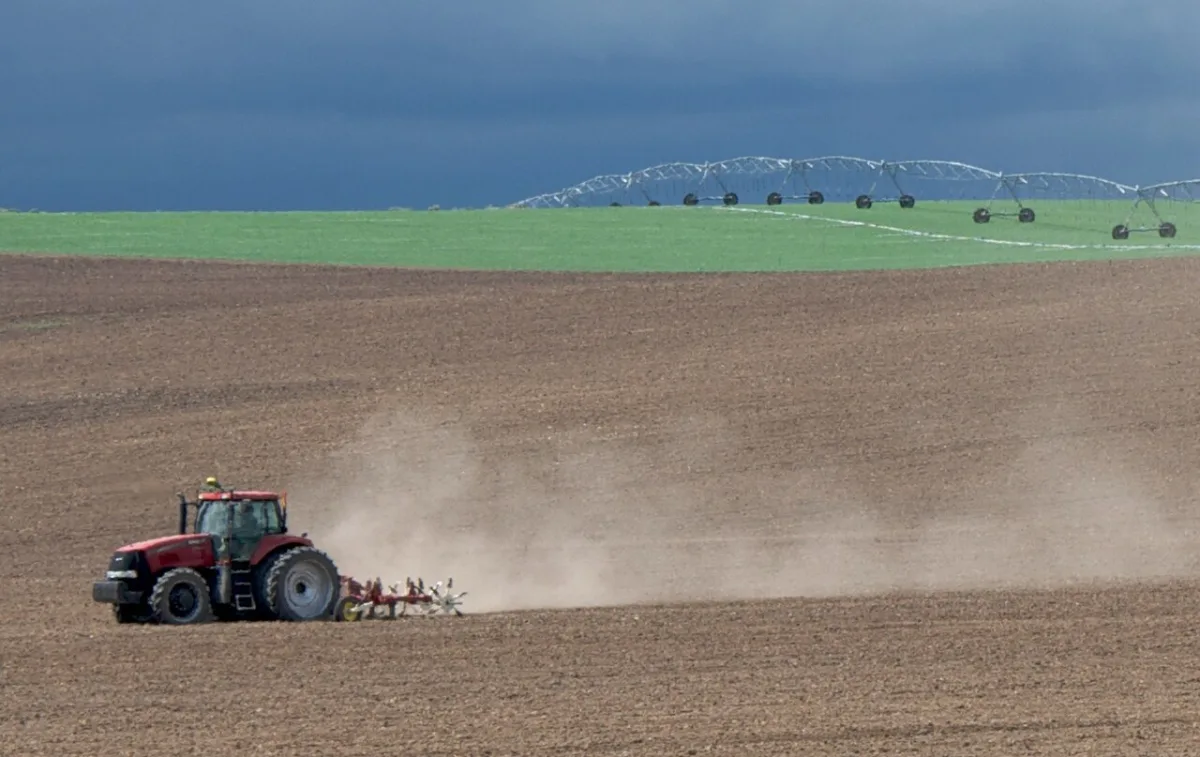
Ploughing and other types of primary tillage remain the foundation of agricultural technology, determining the physical condition of the arable layer, moisture conservation, and weed control in fields. The quality of soil preparation directly affects the development of the crop root system, the efficiency of nutrient uptake, and, consequently, the final yield. For an agronomist, understanding the differences between traditional mouldboard ploughing, non-mouldboard methods, and minimum tillage is a necessary prerequisite for building a sustainable crop rotation and protecting lands from erosion and compaction.
This collection combines materials on practical aspects of tillage in various production conditions: from preparing areas for spring, row, and vegetable crops to working on specific sites. Readers will find recommendations on choosing a ploughing method — back-and-forth, circular, or smooth — as well as reviews of the technical specifications of modern ploughs. Particular attention is paid to post-harvest tillage technologies, methods of mineral fertilizer application depending on plant biology, and methods of agricultural management on difficult soils. The articles cover both issues of production intensification and the principles of preserving the agrocenosis through a differentiated approach to field cultivation.