Practice · 33 articles

Ploughing

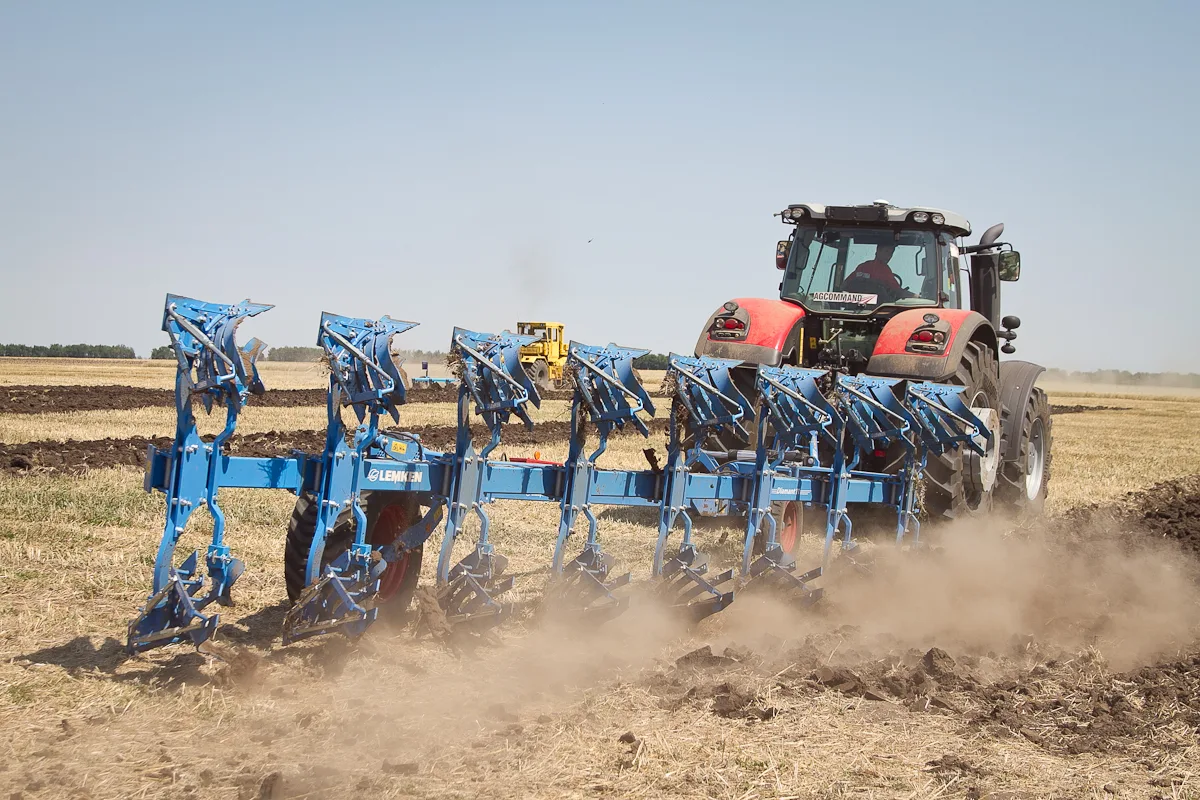
Ploughing and other types of primary tillage remain the foundation of agricultural technology, determining the physical condition of the arable layer, moisture conservation, and weed control in fields. The quality of soil preparation directly affects the development of the crop root system, the efficiency of nutrient uptake, and, consequently, the final yield. For an agronomist, understanding the differences between traditional mouldboard ploughing, non-mouldboard methods, and minimum tillage is a necessary prerequisite for building a sustainable crop rotation and protecting lands from erosion and compaction.

This collection combines materials on practical aspects of tillage in various production conditions: from preparing areas for spring, row, and vegetable crops to working on specific sites. Readers will find recommendations on choosing a ploughing method — back-and-forth, circular, or smooth — as well as reviews of the technical specifications of modern ploughs. Particular attention is paid to post-harvest tillage technologies, methods of mineral fertilizer application depending on plant biology, and methods of agricultural management on difficult soils. The articles cover both issues of production intensification and the principles of preserving the agrocenosis through a differentiated approach to field cultivation.

Soil and tillage For agronomists

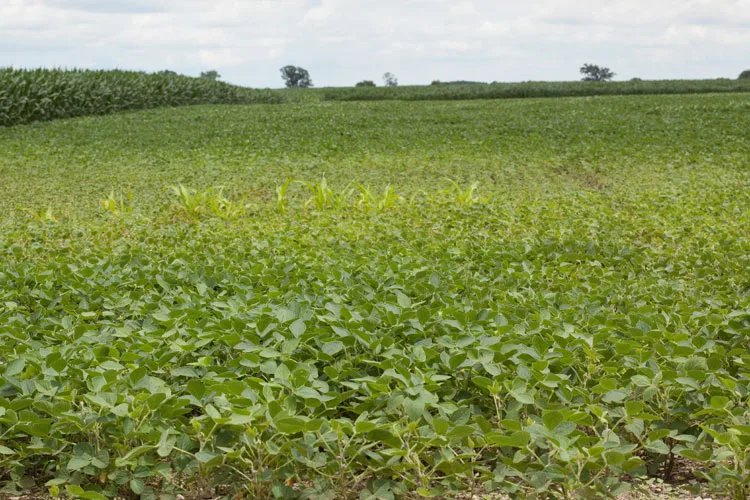
Technological features of effective tillage of occupied fallow in crop rotation

The use of occupied fallow allows for effective balancing of the water regime and increasing soil fertility. The article discusses the rules for selecting fallow-occupying crops, critical harvesting periods, and tillage methods for minimizing moisture losses before sowing winter crops.

Vegetable growing For gardeners

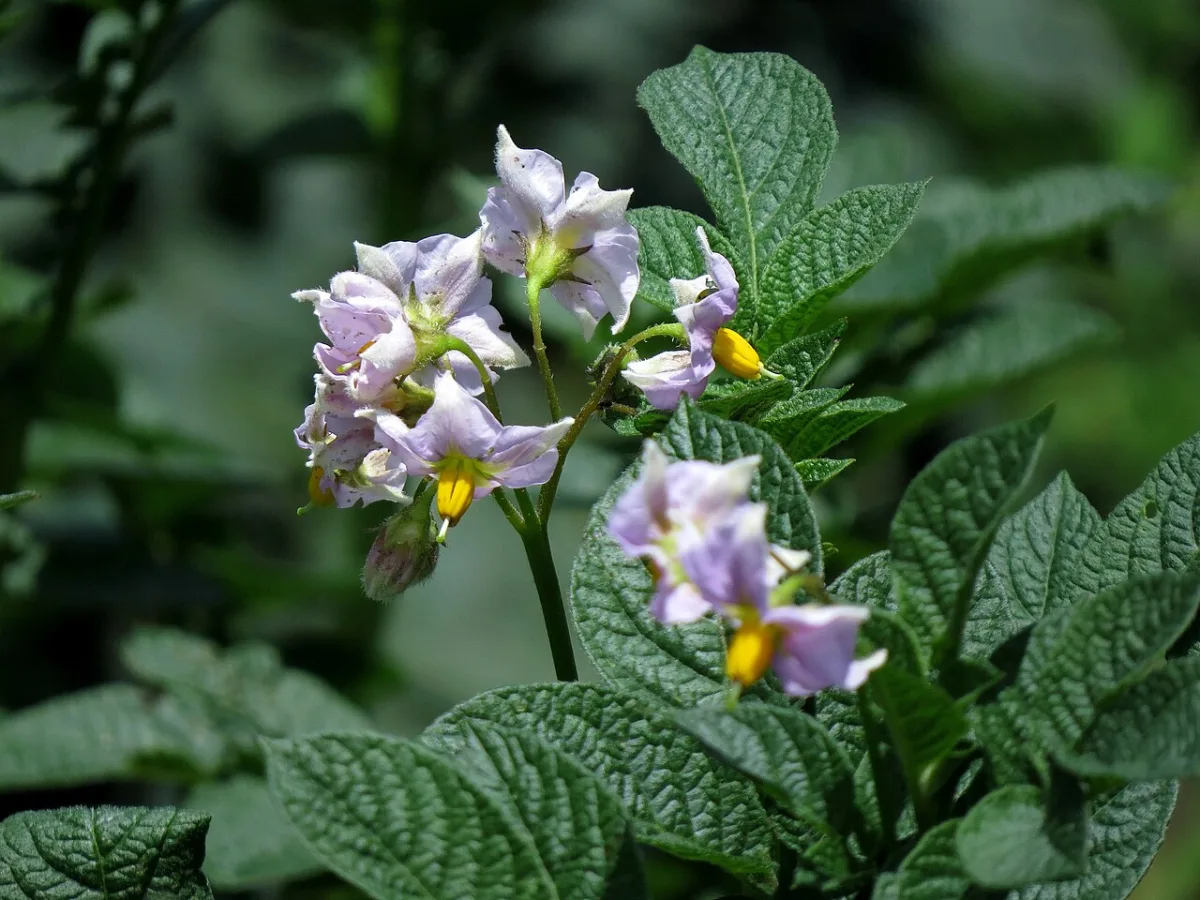
Agricultural practices for potato cultivation and pest protection

The article presents practical recommendations on the preparation of planting material, rules for planting and hilling potatoes. Effective agrotechnical and chemical methods for controlling wireworms, cockchafer larvae, and other polyphagous pests are also discussed

Agrochemistry For students

Agricultural chemistry as a science: subject, objectives, and research methods.

The article reveals the essence of agricultural chemistry as an experimental science that studies the nutrient cycle in farming. You will learn about the discipline's objectives, the physiological-biochemical approach, and the main research methods used for the effective management of plant nutrition and harvest quality.

Viticulture For agronomists

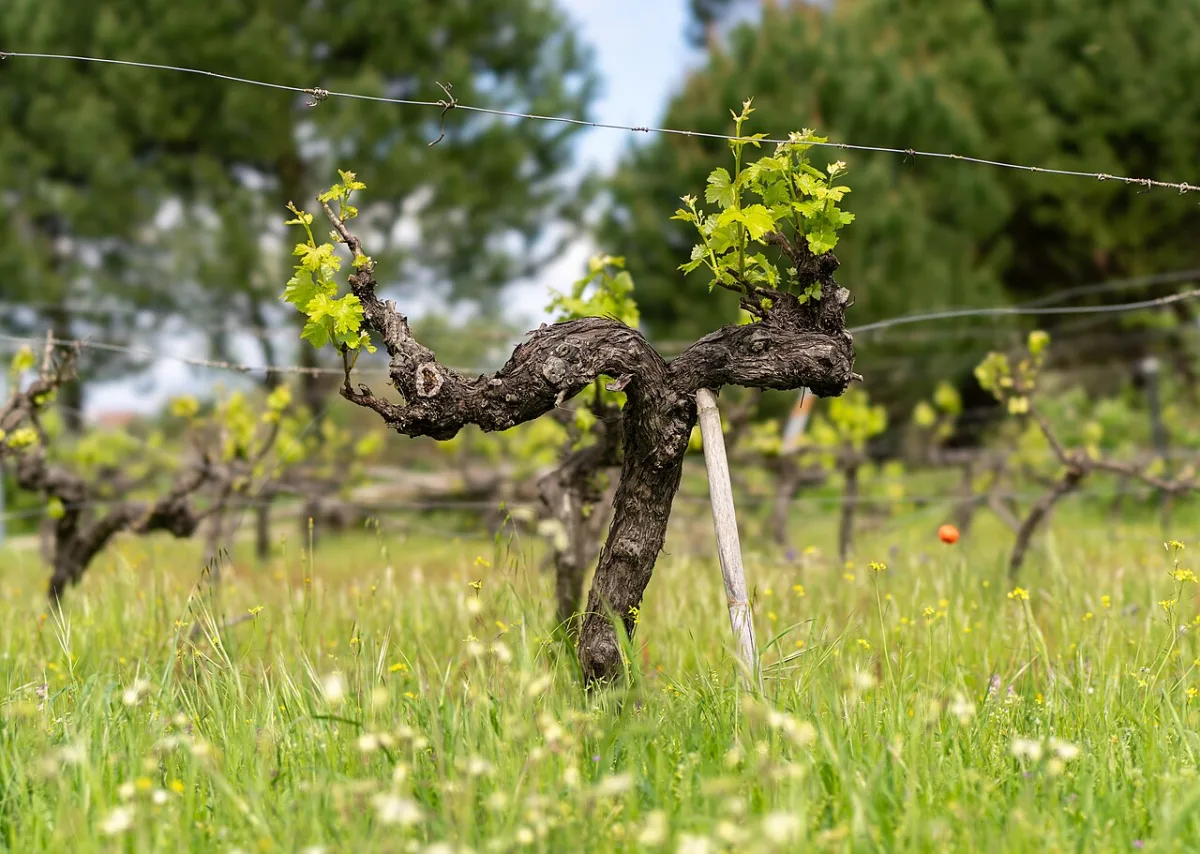
Renewal of soil tillage by deep loosening of vineyard inter-rows

Regular deep loosening of the soil in vineyard inter-rows allows for compensating for soil compaction caused by machinery and stimulates the development of the root system. This method ensures optimal moisture accumulation and the long-term maintenance of the productivity of fruiting plantings.