Practice · 33 articles

Ploughing

Ploughing and other types of primary tillage remain the foundation of agricultural technology, determining the physical condition of the arable layer, moisture conservation, and weed control in fields. The quality of soil preparation directly affects the development of the crop root system, the efficiency of nutrient uptake, and, consequently, the final yield. For an agronomist, understanding the differences between traditional mouldboard ploughing, non-mouldboard methods, and minimum tillage is a necessary prerequisite for building a sustainable crop rotation and protecting lands from erosion and compaction.

This collection combines materials on practical aspects of tillage in various production conditions: from preparing areas for spring, row, and vegetable crops to working on specific sites. Readers will find recommendations on choosing a ploughing method — back-and-forth, circular, or smooth — as well as reviews of the technical specifications of modern ploughs. Particular attention is paid to post-harvest tillage technologies, methods of mineral fertilizer application depending on plant biology, and methods of agricultural management on difficult soils. The articles cover both issues of production intensification and the principles of preserving the agrocenosis through a differentiated approach to field cultivation.

Farm machinery For agronomists

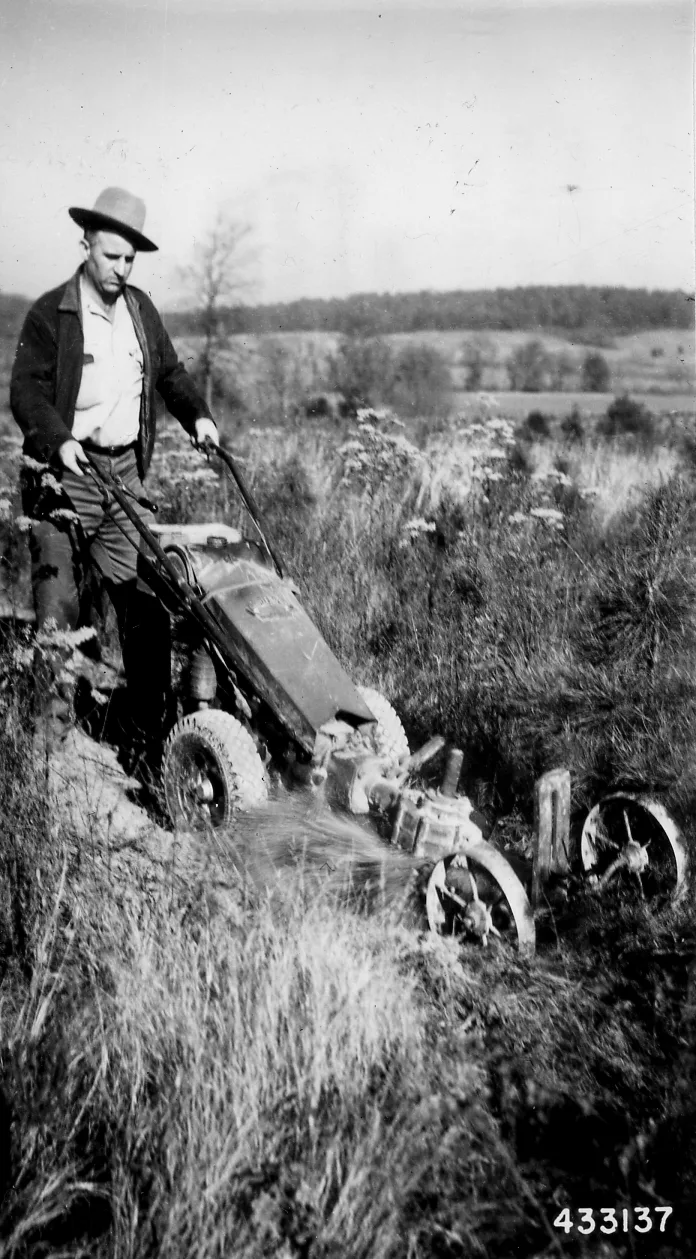
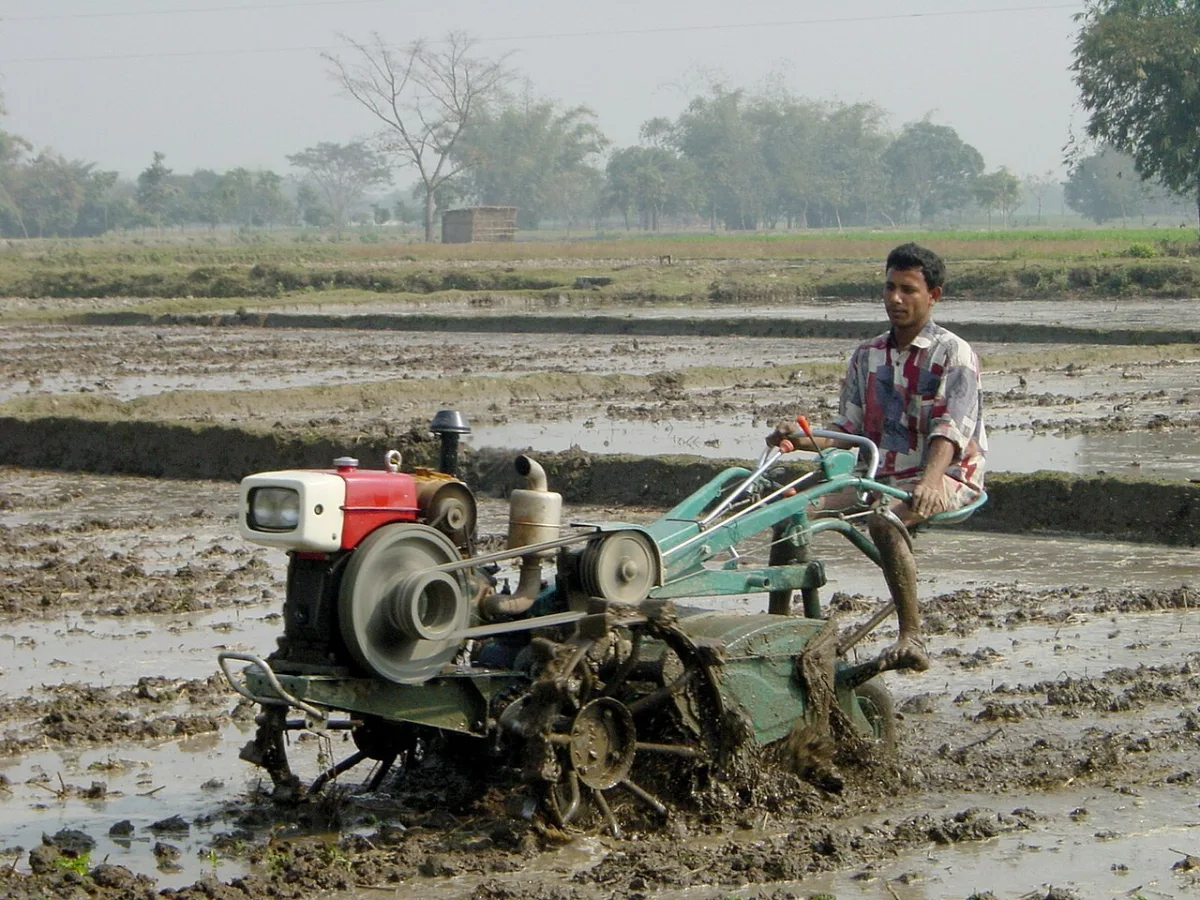
Technologies and agrotechnical requirements for primary tillage

The article describes key tillage systems and requirements for the quality of field operations. You will learn how adhering to parameters for ploughing depth and soil structure helps preserve soil fertility and create favorable conditions for the development of the plant root system

Agrochemistry For students

Gypsum application on solonetzic soils as a method of land reclamation and increasing yield

Gypsum application is an effective method of solonetzic soil reclamation, allowing for the replacement of excess sodium with calcium and the improvement of the soil's hydro-physical properties. The article examines the chemistry of the process, the specifics of ameliorant application, and the impact of gypsum application on yield increase when used in combination with fertilizer

Crop production For students

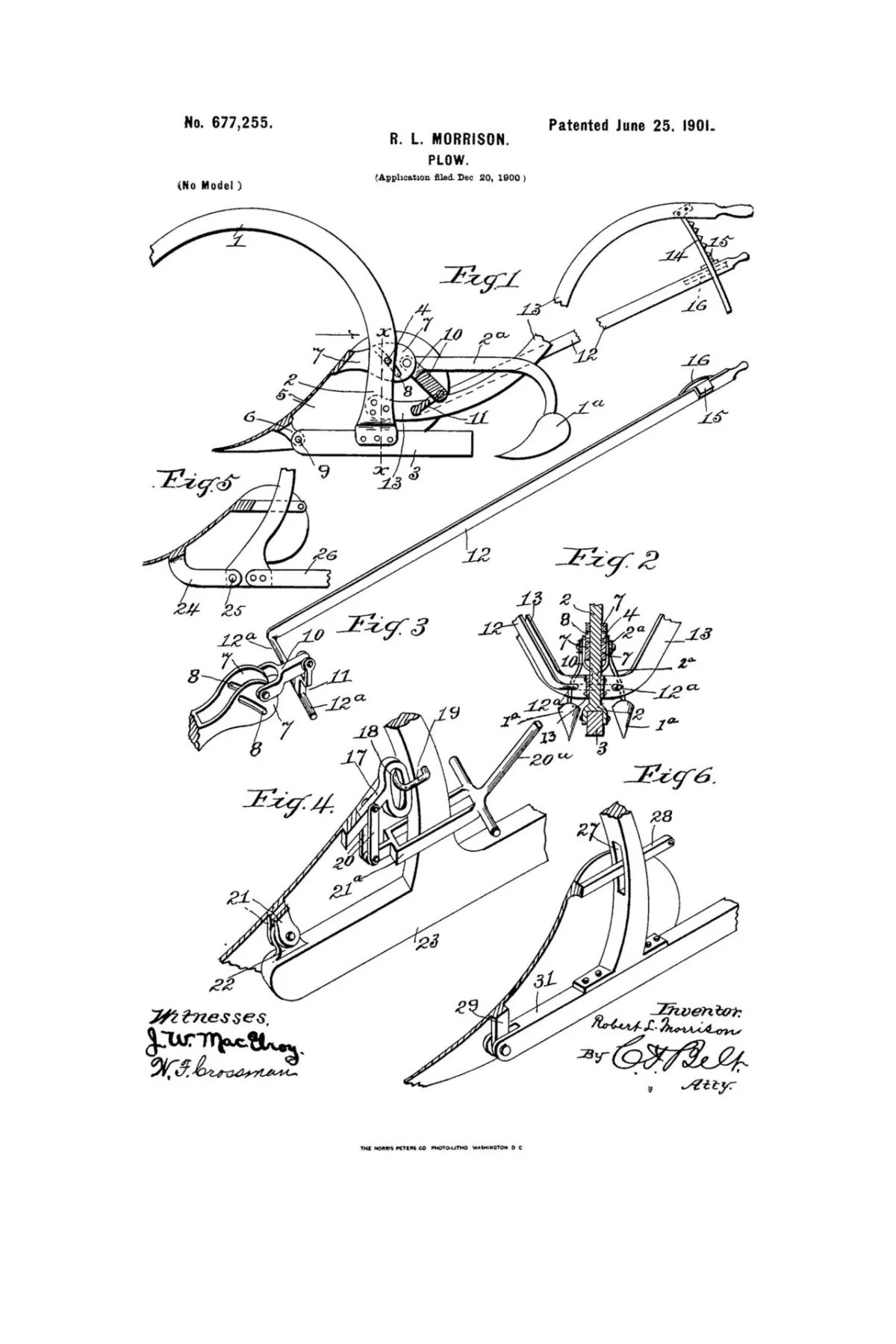
The evolution of technologies and scientific basis of tillage in agriculture

The article describes the evolution of tillage methods: from primitive hoeing tools of antiquity to the emergence of the metal plough and the formation of the scientific theory of ploughing in the 20th century. The reader will trace how the accumulated experience of farmers transformed into systemic agrotechnical methods

Viticulture For agronomists

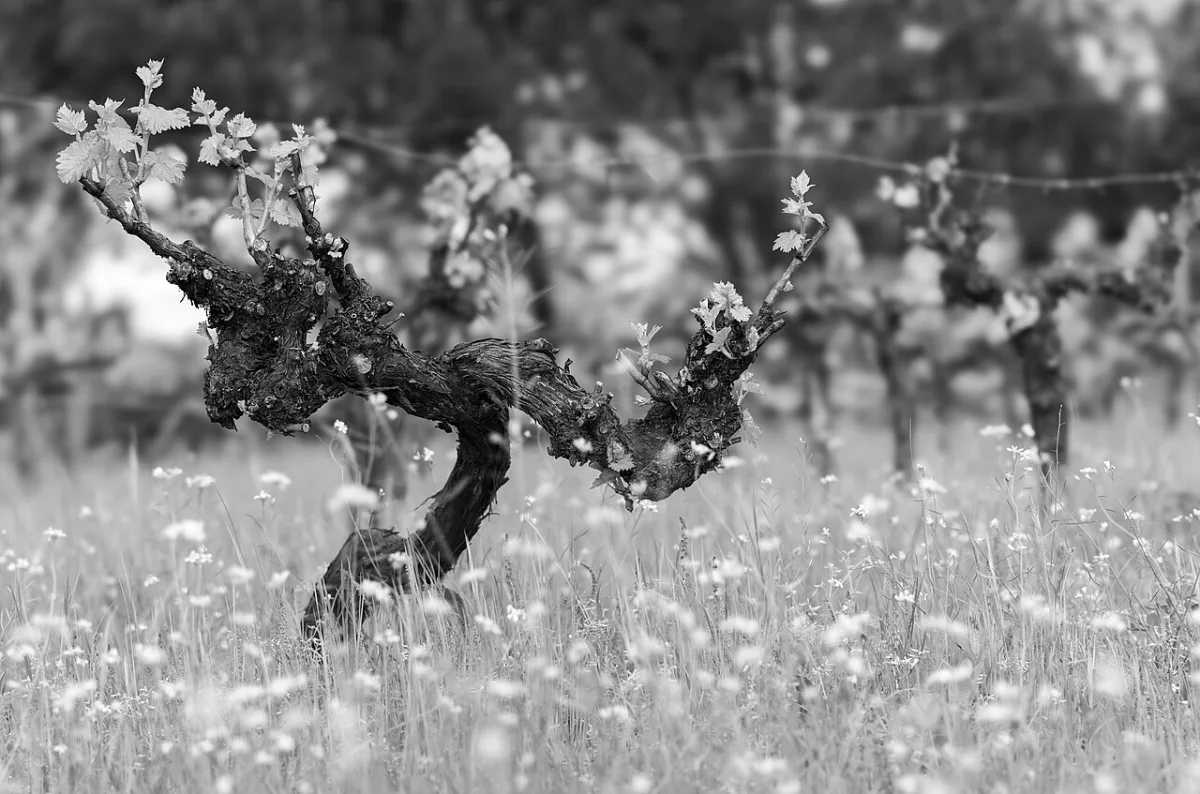
Technology of trench tillage for vineyard establishment

Trench ploughing is a mandatory stage in vineyard establishment, ensuring the formation of a robust root system and optimal conditions for the long-term productivity of the vines. The article examines the main methods of tillage and the specifics of their application depending on soil and climatic conditions.

Vegetable growing For students

Tillage systems for vegetable crops in crop rotation

A proper tillage system is the foundation for regulating the nutrient regime of fields. The article examines technological methods for soil preparation after late vegetable predecessors and the cultivation of perennial grass sod.