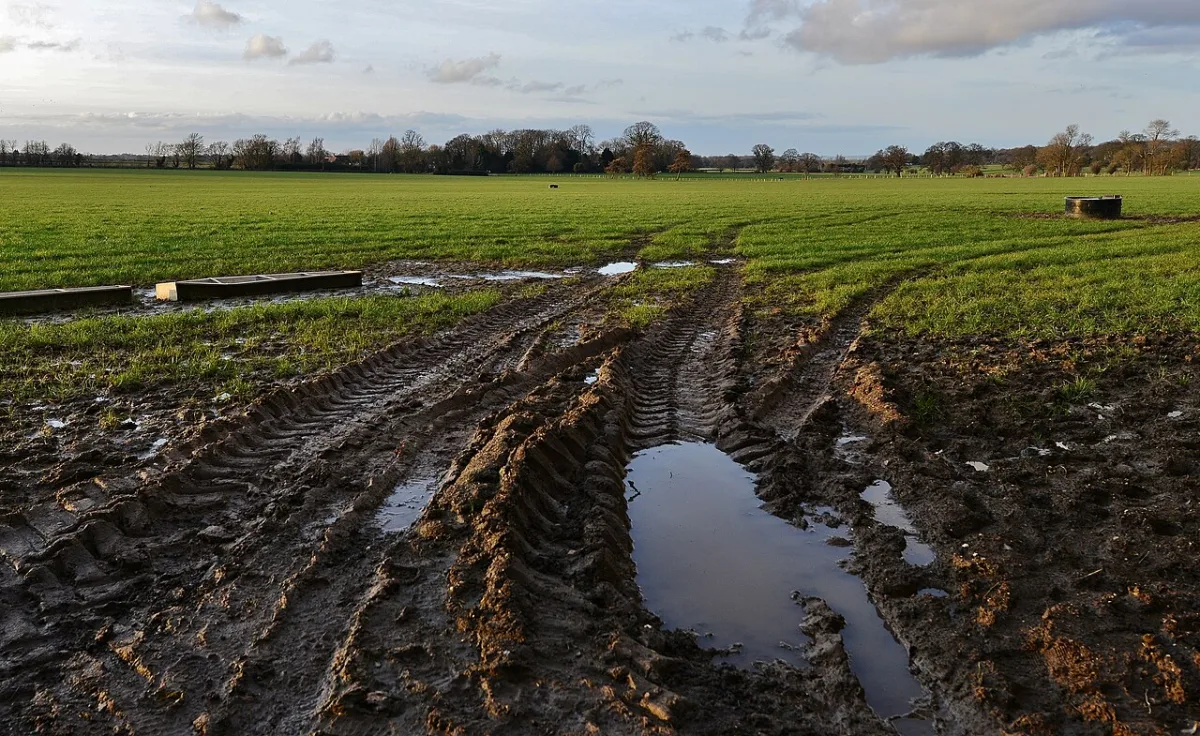
Stubble cultivation is a mandatory stage of post-harvest tillage, aimed at conserving soil moisture and preparing the field for subsequent sowing campaigns. For an agronomist, this is a critical process, as the phytosanitary condition of the plot, weed control, and the accumulation of resources for the future harvest directly depend on it. High-quality execution of these operations within the tight post-harvest timeframe allows for effective management of soil density and creates optimal conditions for the development of future crops in the crop rotation.
In this selection, we have gathered expert materials covering approaches to tillage, taking into account various agro-climatic conditions, including the specifics of southern regions. The reader will find recommendations on integrating these operations into the general crop rotation system, methods for preparing fields for spring crops, and the specifics of choosing technological practices depending on the soil condition. The materials will help to systematize knowledge about planning post-harvest work and understand how proper stubble preparation affects the efficiency of agrotechnical measures on a farm-wide scale.