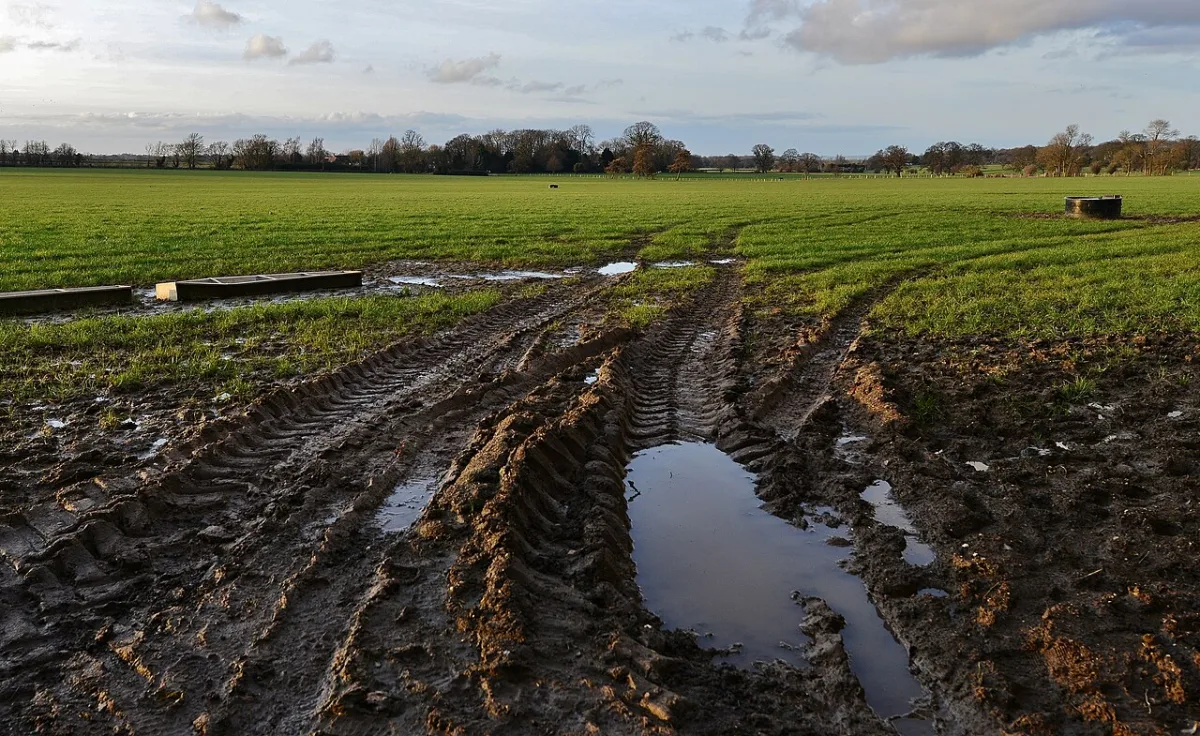
Autumn tillage is a complex of agrotechnical measures aimed at preparing the topsoil in autumn for the future sowing of spring crops. This stage is key in the farming cycle, as it is during this period that the foundations are laid for conserving soil moisture, controlling weeds, and effectively managing the agrophysical indicators of soil fertility. A professional approach to field preparation allows for minimizing the risks of soil desiccation and ensuring optimal conditions for plant development in the next season.
This collection of materials covers a wide range of practical issues: from basic post-harvest preparation techniques to evaluating the effectiveness of transitioning from traditional mouldboard ploughing to minimum and zero tillage technologies. The reader will find recommendations here on organizing the primary soil preparation system, as well as an analysis of long-term experiments demonstrating how the choice of tillage method affects the structure and quality of the arable land. This knowledge will help optimize technological processes and increase crop productivity both in large-scale farming and on private plots.