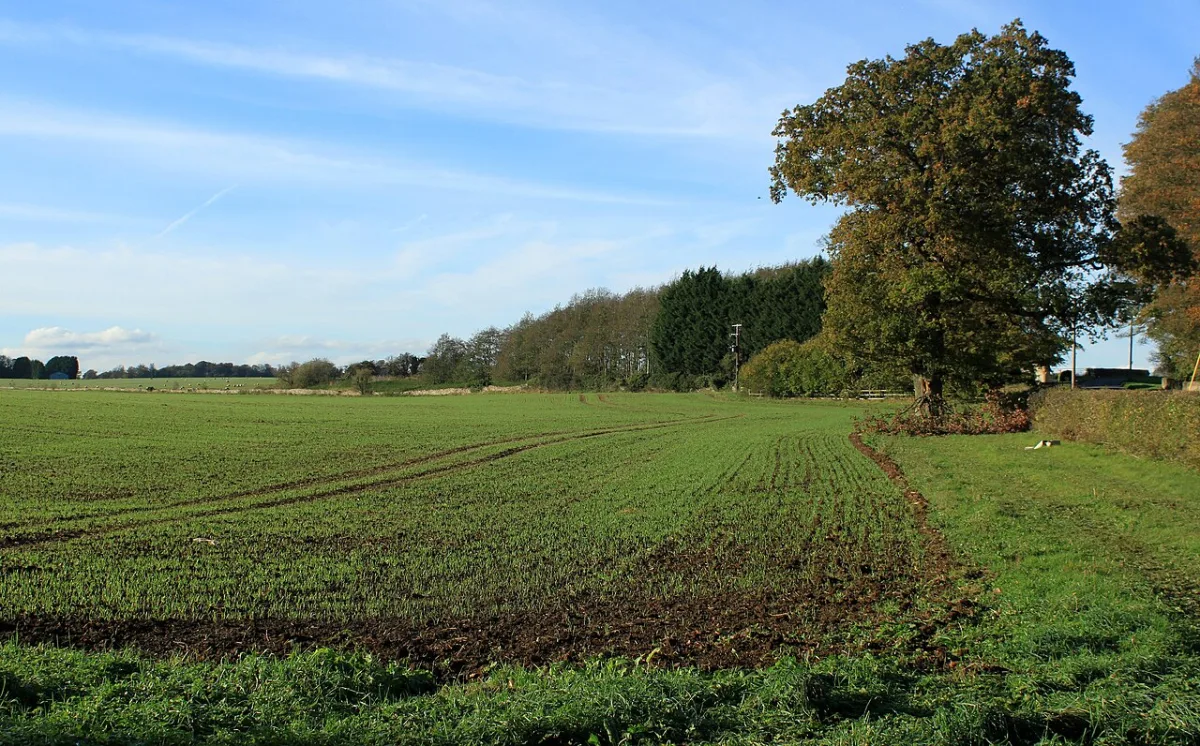
Minimum tillage is a modern farming strategy aimed at abandoning traditional mouldboard ploughing in favor of more gentle technologies. For professional agronomists and farm owners, transitioning to such methods is becoming a necessity under conditions of intensive production. Optimizing tillage allows not only for maintaining the agrophysical indicators of soil fertility, but also for more efficiently managing the water regime of fields, which is critical for maintaining yield in the long term.
This selection contains materials that help to understand the specifics of transitioning to resource-saving systems. Readers will find here the results of long-term stationary experiments comparing various tillage technologies, as well as practical recommendations for field preparation. Particular attention is paid to the post-harvest period: experts examine methods for protecting soil from desiccation and ways of controlling weeds when preparing areas for spring crops. These articles will serve as a basis for implementing systematic changes in the agrotechnical cycle of your farm.