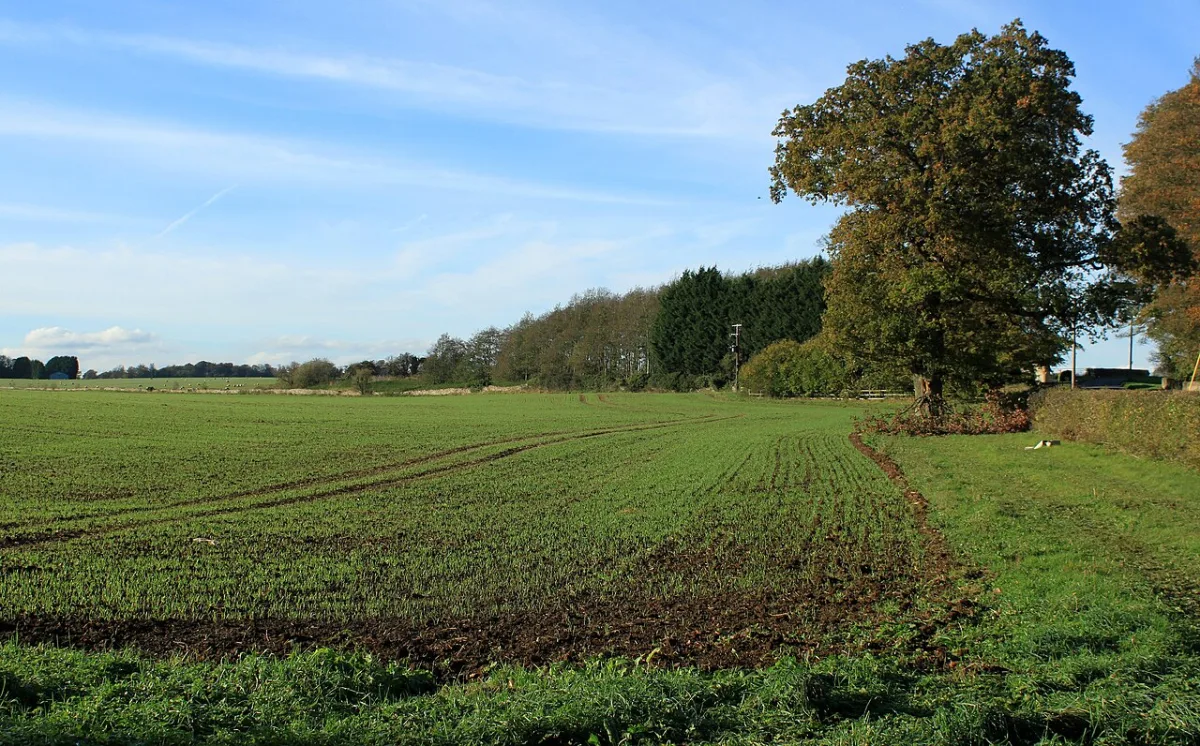
Controlling perennial weeds remains one of the main tasks when planning agrotechnical measures. The effectiveness of managing these plants depends directly on the quality of the soil's arable layer preparation, which is formed as early as autumn under the influence of weather conditions and the chosen tillage system. Ignoring the biological characteristics of weeds and violating agrotechnologies leads to the depletion of soil fertility and a reduction in the yield of spring crops.
In this selection, we examine the key stages of field weed management, starting from the post-harvest period and ending with pre-sowing preparation. You will learn about methods to combat soil moisture loss, the influence of winter precipitation on the structure of the arable layer, and the specifics of working in fields when transitioning to minimum tillage. The materials will help agronomists and gardeners systematize their approach to plant protection and understand how moving away from traditional mouldboard ploughing changes the strategy for controlling perennial weeds under intensive farming conditions.