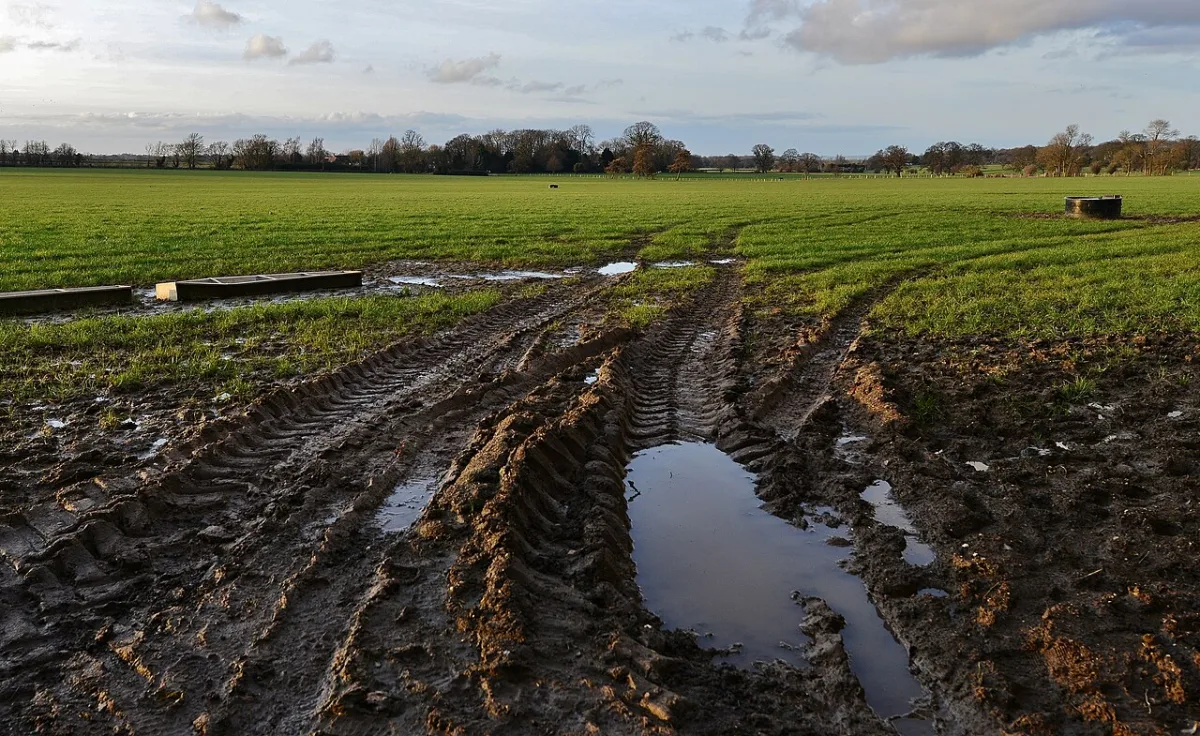
Soil preparation for spring crops is the foundation of a future harvest, determining plant development from the very first stages of the growing season. The quality of primary, pre-sowing, and post-sowing tillage dictates the structure and density of the arable layer, the preservation of soil moisture, and the effectiveness of weed control. Understanding technological practices, whether traditional ploughing or resource-saving non-inversion methods, allows an agronomist to adapt the farming system to the climatic characteristics of the region, including the specifics of Kuban soils, and minimize the risks of field desiccation after harvesting cereal crops.
This selection combines materials that reveal key aspects of managing soil fertility and preparing fields for the sowing season. You will find a detailed analysis of the design features of modern tillage equipment and the principles of managing the condition of the arable layer, which is formed under the influence of winter precipitation and autumn work. In addition, the articles highlight the role of mineral nutrition, in particular the effect of sulfur on the productivity of agricultural crops. This knowledge will help specialists and plot owners build a systematic approach to cultivating spring crops, relying on scientifically grounded agrotechnical methods and a deep understanding of physical and chemical processes in the soil.