
Specific features of primary tillage for spring crops in the Kuban region
4 min read
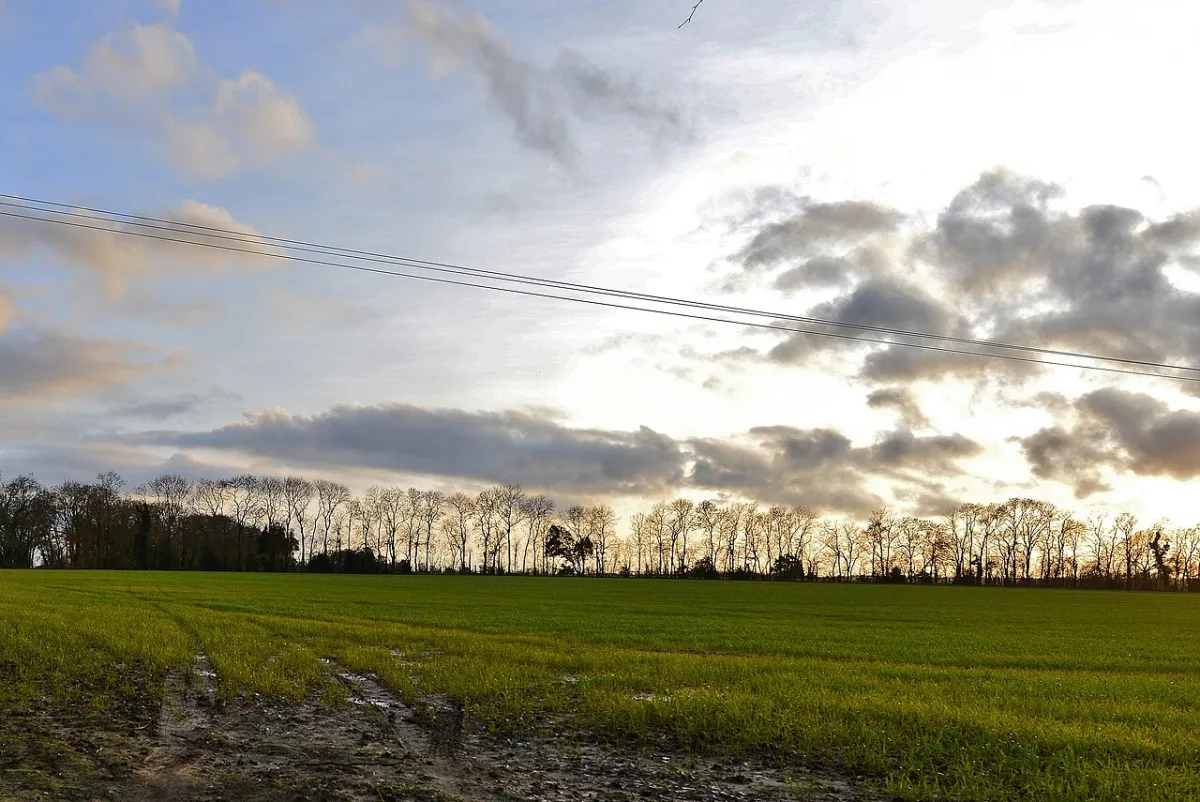
Spring crops occupy about half of all arable land in the Kuban region. Agronomists allocate the largest areas to corn, sunflower, sugar beet, soybean, peas, as well as annual and perennial grasses. Soil preparation for these plants requires a large volume of work. The main task of an agronomist is to create a structure of the topsoil that will maintain optimal conditions for the crop throughout the entire growing season.
Soil structure requirements in different zones of the region
On leached and ordinary chernozems, it is important to prevent compaction of the plough layer. However, excessive loosening also harms crops, as it leads to an increase in physical water losses from the soil. Therefore, the structure of the arable land must strictly correspond to the climatic characteristics and soil type of a specific zone.
Excessive soil looseness during the drying period sharply increases physical water losses. On leached and ordinary chernozems, the density of the plough layer should not exceed 1.3 g/cm³.
In areas where there is no guarantee of water reserve recovery by spring (on ordinary, typical chernozems and chestnut soils), tillage must be moisture-accumulating. In waterlogged zones, for example, on vertisols, grey forest soils, heavy meadow and floodplain soils, the situation is different. Here, during primary tillage for spring crops, the aim is specifically to achieve a cloddy structure of the arable land in order to evaporate excess water before the start of field work.
In the steppe regions of the region, which are subject to wind erosion, the top layer of soil must remain wind-resistant. In areas with water erosion, the arable land is formed from large water-stable aggregates. In the northern and north-eastern zones, it is necessary to create a layer that is moisture-saving and at the same time resistant to dust storms.
- Maximum density of the plough layer — 1.3 g/cm³
- Size of aggregates in dry zones (autumn-winter) — 10–30 mm
- Proportion of aggregates less than 1 mm in a 5 cm layer — no more than 40–45%
- Optimal size of aggregates during the drying period — 1–3 mm
Weed control and autumn tillage
tillage">Primary tillage for spring crops is based on the system of autumn preparation. Its most important task is to clear the fields as much as possible of weeds and their germs during the autumn period. Fighting weed vegetation during the growing season of crops is much more difficult, so the main measures are moved to the autumn. In the Kuban, there is sufficient time margin for such work.
| Time period | Duration |
|---|---|
| From harvesting cereal predecessors to the onset of the muddy season | Over four months |
Advanced farms utilize this time interval fully. To clear the fields, agronomists carry out sequential work with weed vegetation. First, they stimulate the germination of annual weeds and destroy them, and then systematically deplete and destroy the root system of perennials.
- Stimulation of annual weed seeds to germinate
- Destruction of emerged annual weed seedlings
- Systematic depletion and destruction of perennial weeds
The use of herbicides does not diminish the importance of tillage">primary tillage of the soil. The best results in weed control are achieved by farms that rationally combine chemical and mechanical measures.
During autumn tillage, thorough incorporation of fertilizers and crop residues is also carried out. This technique is not applied only when the task is to combat wind erosion. In areas of insufficient moisture, deep incorporation during ploughing allows fertilizers to remain in a moister soil layer. Thanks to this, the roots of spring crops absorb nutrients significantly better than with surface application.
Read next
Soil and tillage For agronomists
Specifics of tillage for stubble and post-harvest crops
Soil and tillage For agronomists
Moisture-conserving tillage of the arable layer to prevent soil desiccation
Soil and tillage For agronomists