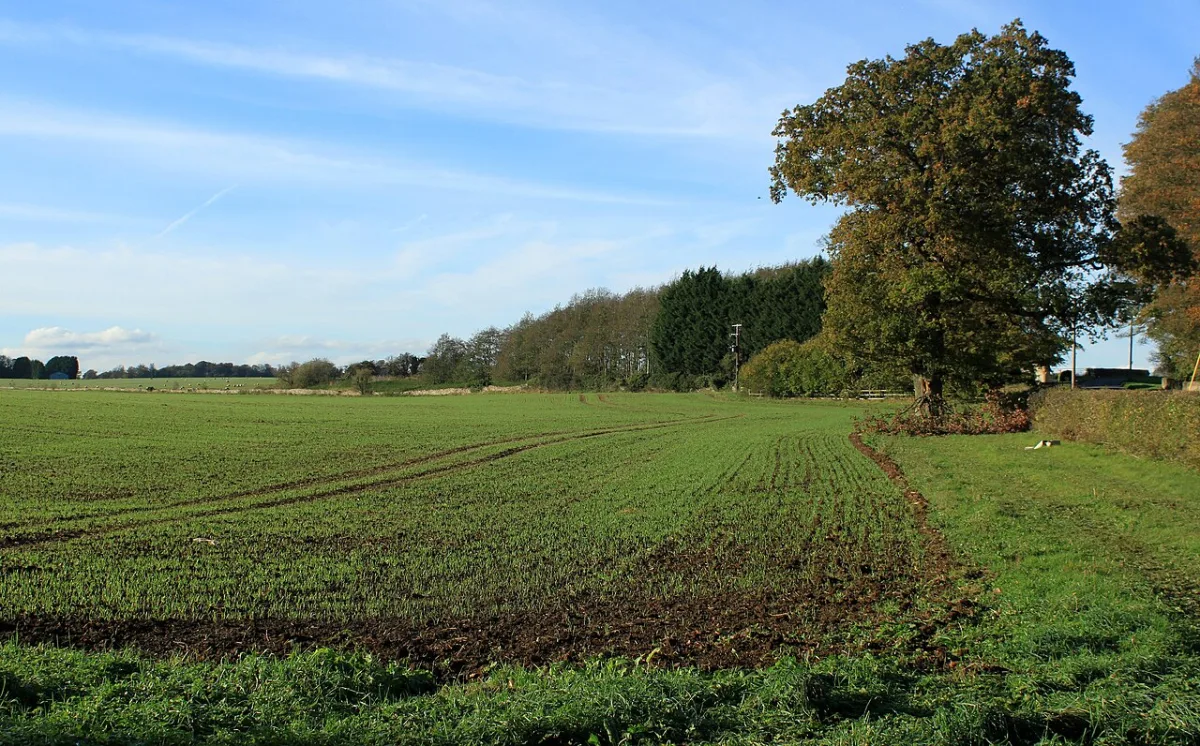
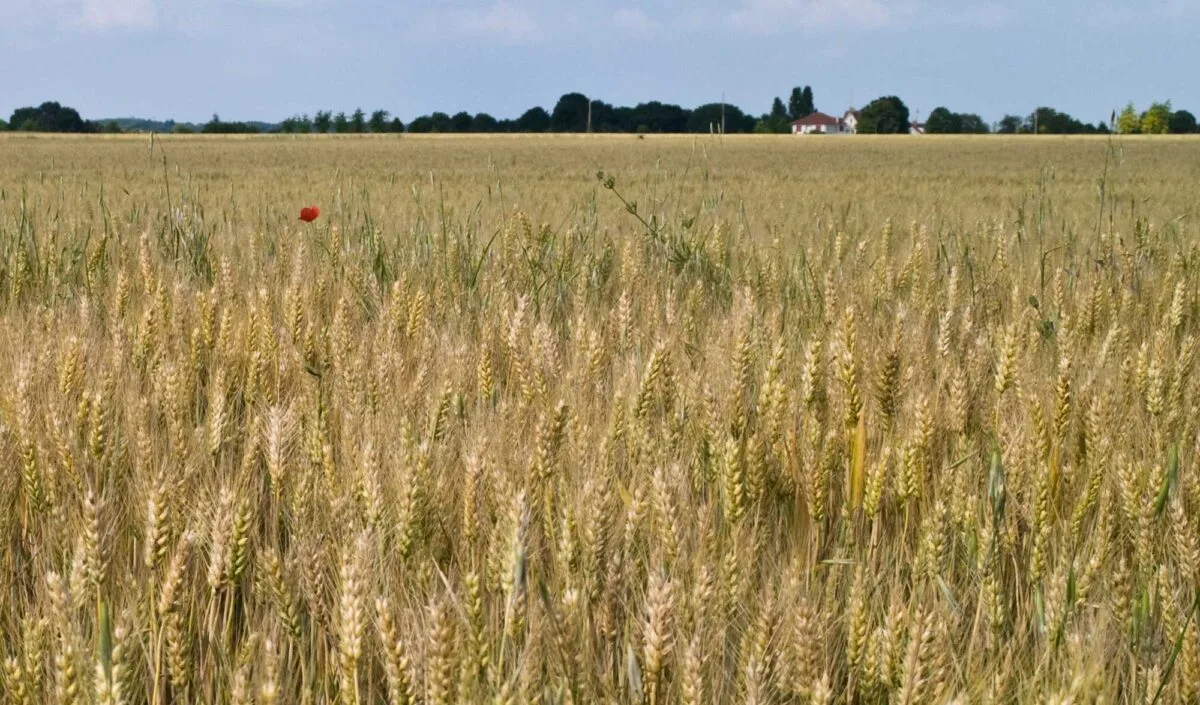
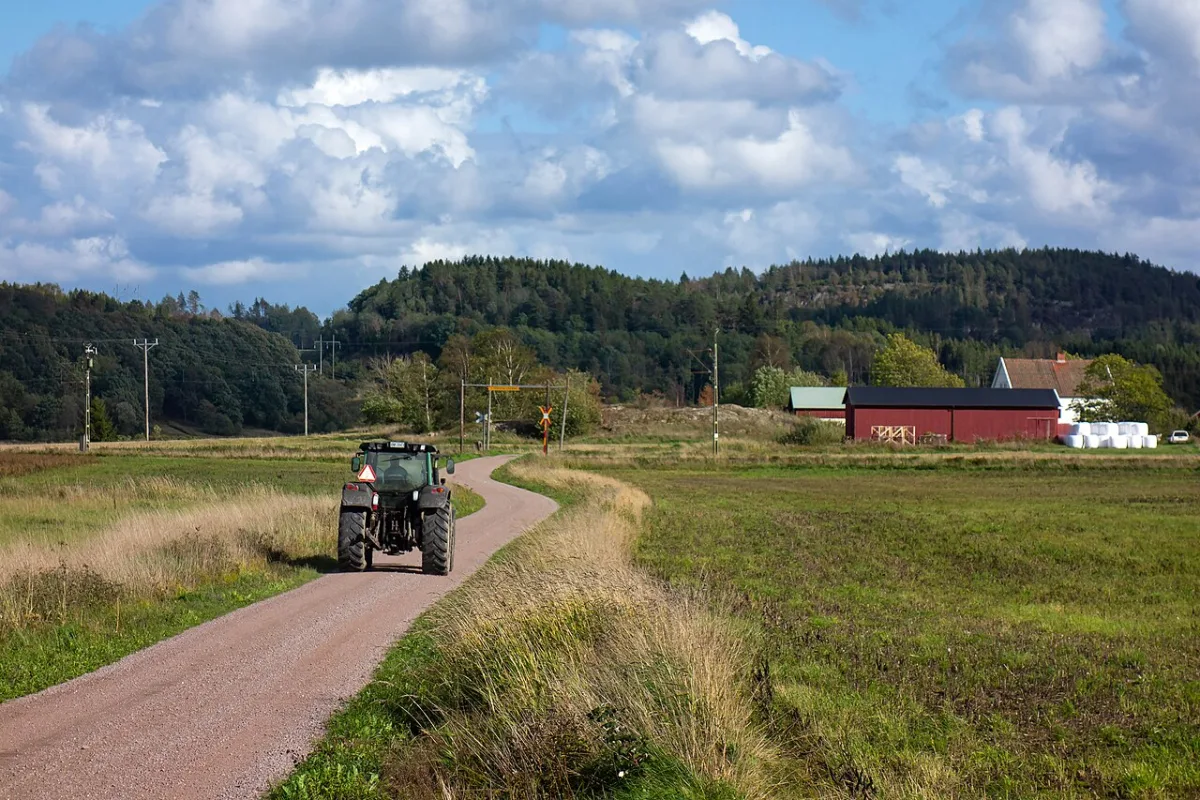
Field operations represent the foundation of agricultural production, determining the potential of future yield. Effective soil preparation, the choice of optimal tillage methods, and competent planning of agrotechnical activities allow for minimizing risks and creating the necessary conditions for crop growth. Understanding physical processes in the arable layer and the principles of working with the soil is critically important for practicing agronomists seeking to transition to modern resource-saving technologies, such as minimum tillage.
This collection brings together materials covering key aspects of organizing the field season: from evaluating the quality of performed operations to a scientific approach to conducting experiments. Readers will find recommendations here on transitioning from traditional mouldboard ploughing to minimum tillage technologies, methods for soil preparation for sowing spring crops, and requirements for planning agrochemical trials. The articles also analyze the specifics of labor in the agricultural sector, where production processes are inextricably linked to biological cycles and climatic factors. The presented information will help specialists systematize approaches to monitoring field operations and improve the accuracy of management decisions.