Practice · 15 articles

Primary tillage

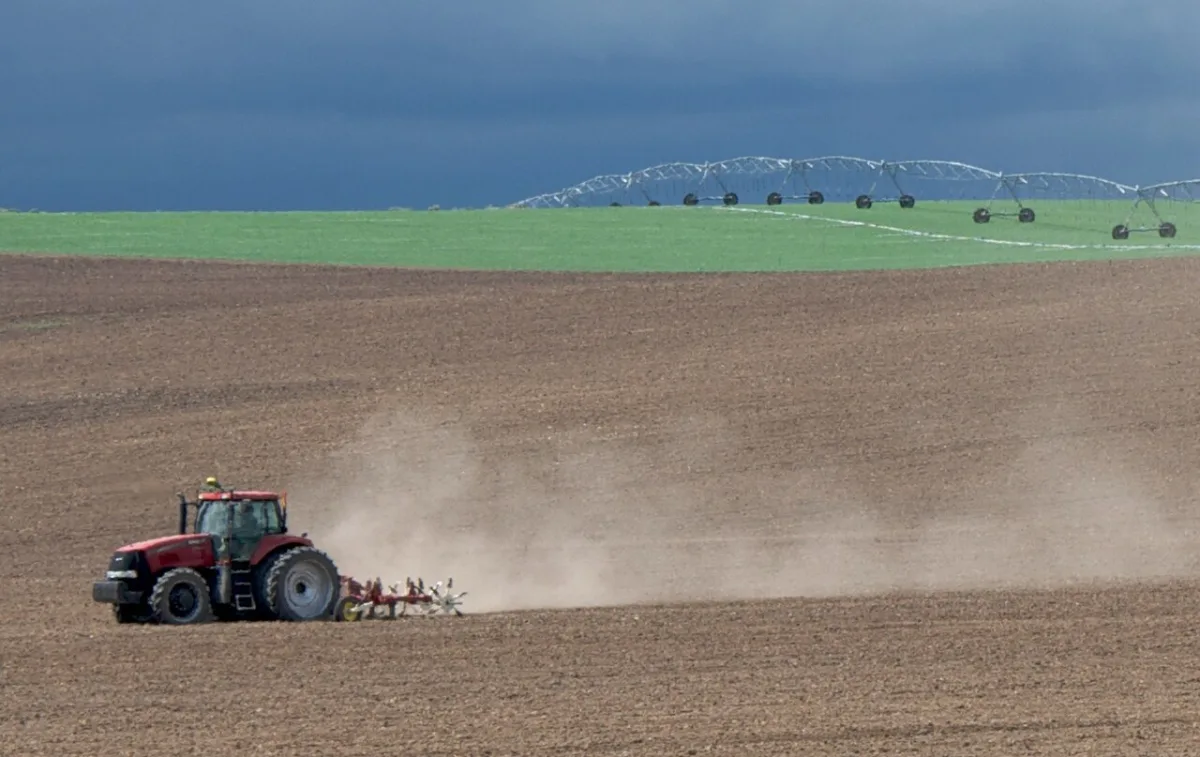
Primary tillage is a fundamental agrotechnical practice that directly determines the structure of the arable layer, the preservation of soil fertility, and the future yield of agricultural crops. The correct choice of a field preparation system—whether it be traditional ploughing, mulch tillage methods, or a transition to minimum tillage—allows for effective regulation of soil density, protection against desiccation, and control of weed infestation in areas. In intensive farming, competent management of the soil's physical state becomes the foundation for adequate plant nutrition and the realization of their genetic potential.

This collection gathers materials highlighting key aspects of soil management: from the selection of implements and tillage technologies after cereal harvesting to the specifics of preparing fields for spring crops, vegetable crops, and sugar beet. You will find expert recommendations on regional tillage peculiarities using the example of the Kuban region, analytical data on the advantages of various loosening methods, as well as information on the principles of optimizing plant nutrition, which are inextricably linked to the quality of the soil substrate. These articles will help systematize knowledge about modern agricultural technologies and make informed decisions to increase the efficiency of field operations.

Farm machinery For agronomists

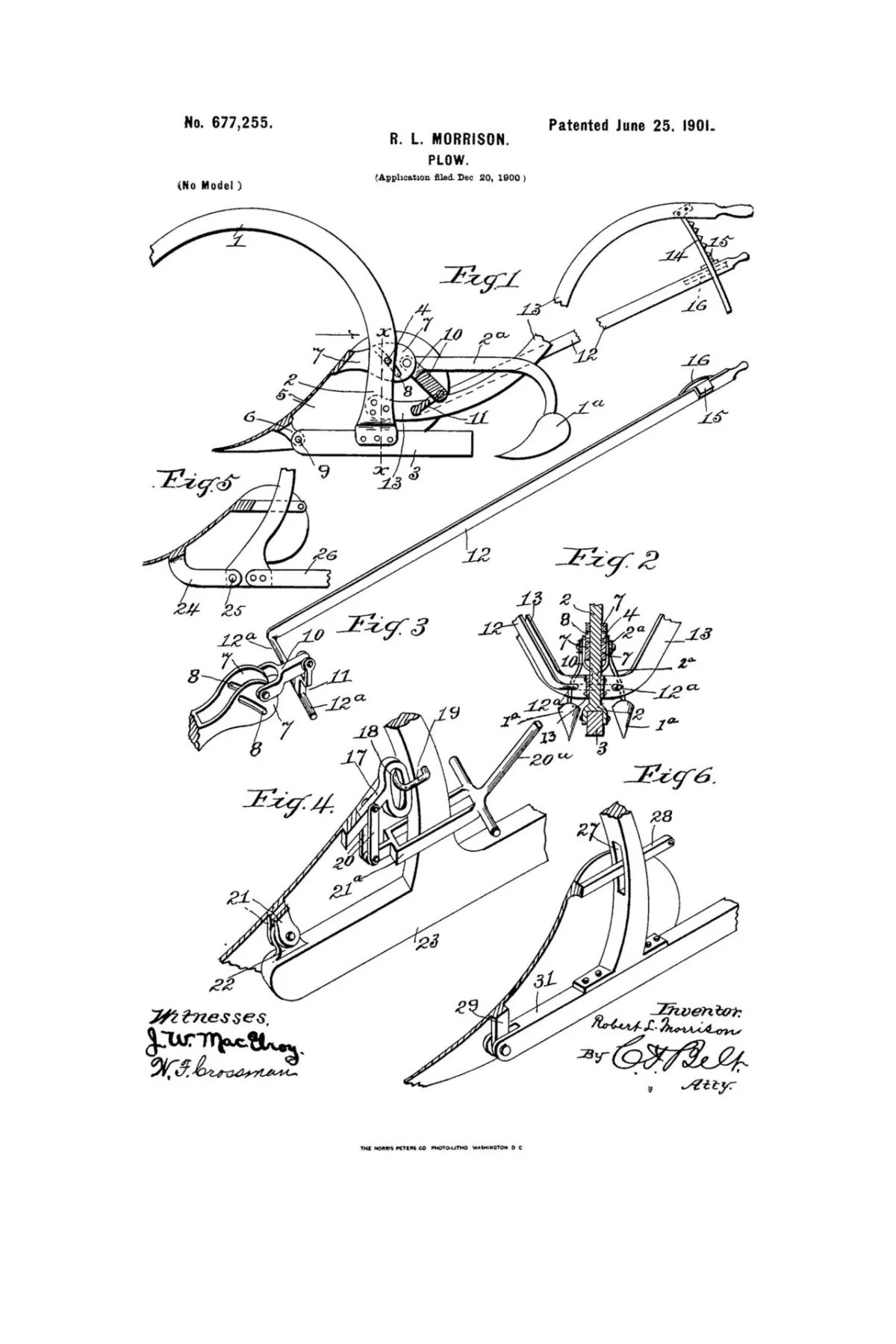
Technologies and agrotechnical requirements for primary tillage

The article describes key tillage systems and requirements for the quality of field operations. You will learn how adhering to parameters for ploughing depth and soil structure helps preserve soil fertility and create favorable conditions for the development of the plant root system

Soil and tillage For agronomists

Specific features of primary tillage for spring crops in the Kuban region

The article reveals the principles of effective preparation of the arable layer for spring crops depending on the soil type and climatic conditions of the Krasnodar Territory. You will learn how to regulate soil density, accumulate soil moisture, and clear fields of weeds using autumn tillage

Crop production For students

System and advantages of primary tillage for spring crops

Primary tillage is the foundation of the future harvest of spring crops. The article reveals the features of autumn field preparation, methods of weed control, and recommendations for choosing tillage technologies depending on the preceding crop.

Agrochemistry For students

Optimizing mineral nutrition of vegetable crops and potatoes

To increase the yield and quality of vegetables, it is necessary to regulate the composition of fertilizer depending on the biology of a specific crop and soil conditions. The article provides information on the chemical composition of vegetable plants and potatoes, which is important for the proper management of agricultural crop nutrition

Soil and tillage For agronomists

Post-harvest tillage technologies for spring crops

Timely stubble tillage after harvesting cereal crops is a key condition for preserving soil moisture and protecting the future harvest from weeds, pests, and diseases. The article describes effective field preparation methods and critical timelines for operations to ensure successful sowing of spring crops

Soil and tillage For agronomists

Specifics of tillage for stubble and post-harvest crops

Efficient soil preparation for stubble and post-harvest sowing requires immediate tillage after harvesting the predecessor crop. Adherence to technology and a differentiated approach to tillage depth allow for maximum retention of soil moisture and ensure the yield