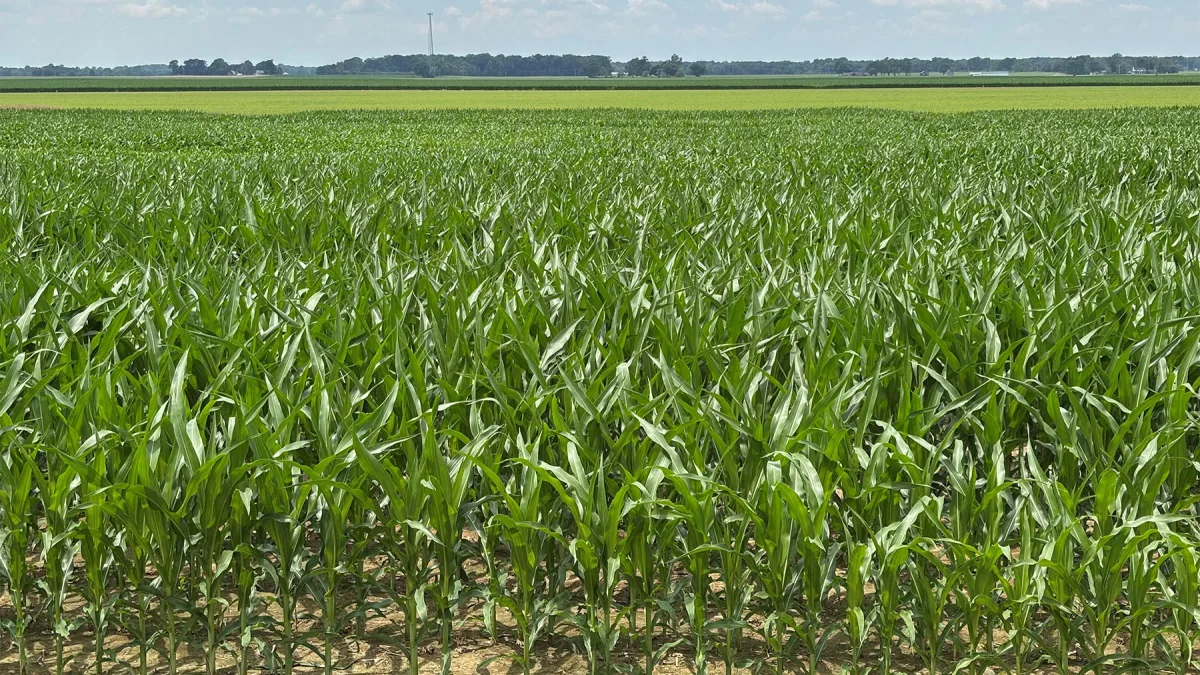
Spring wheat remains a strategically important grain crop, the stability of whose harvest determines food security. For professional agronomists and farm owners, understanding the biology of this crop, as well as the specifics of its nutrition in comparison to winter forms, is a basic prerequisite for effective planning of the sowing campaign and achieving high grain quality indicators.
This collection of materials covers a complex of issues related to wheat cultivation. Readers will find information on the global economic importance of the crop, the chemical composition of the grain, and the geography of sowing. Special attention is paid to the physiology of mineral nutrition: the dynamics of nutrient uptake during critical phases of the growing season and the influence of fertilizers on the final yield. Furthermore, the articles provide a detailed analysis of the specifics of agrochemical application, taking into account the soil and climatic features of different regions of Russia, which will allow for the optimization of the fertilizer application system under the specific conditions of your farm.