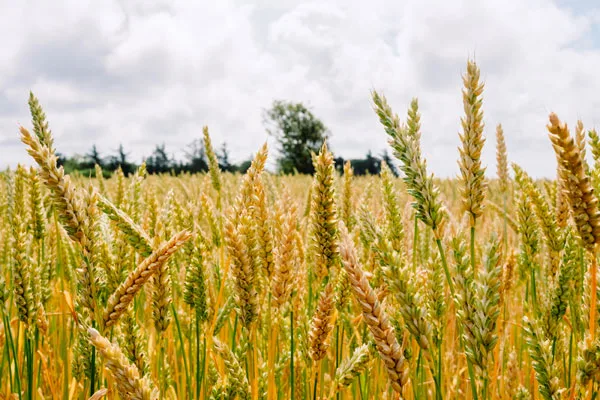
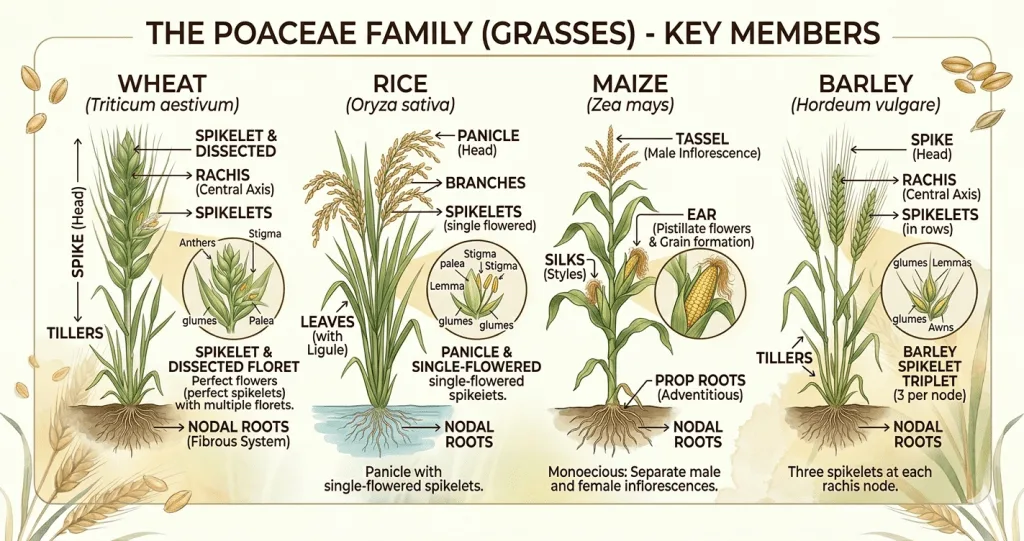
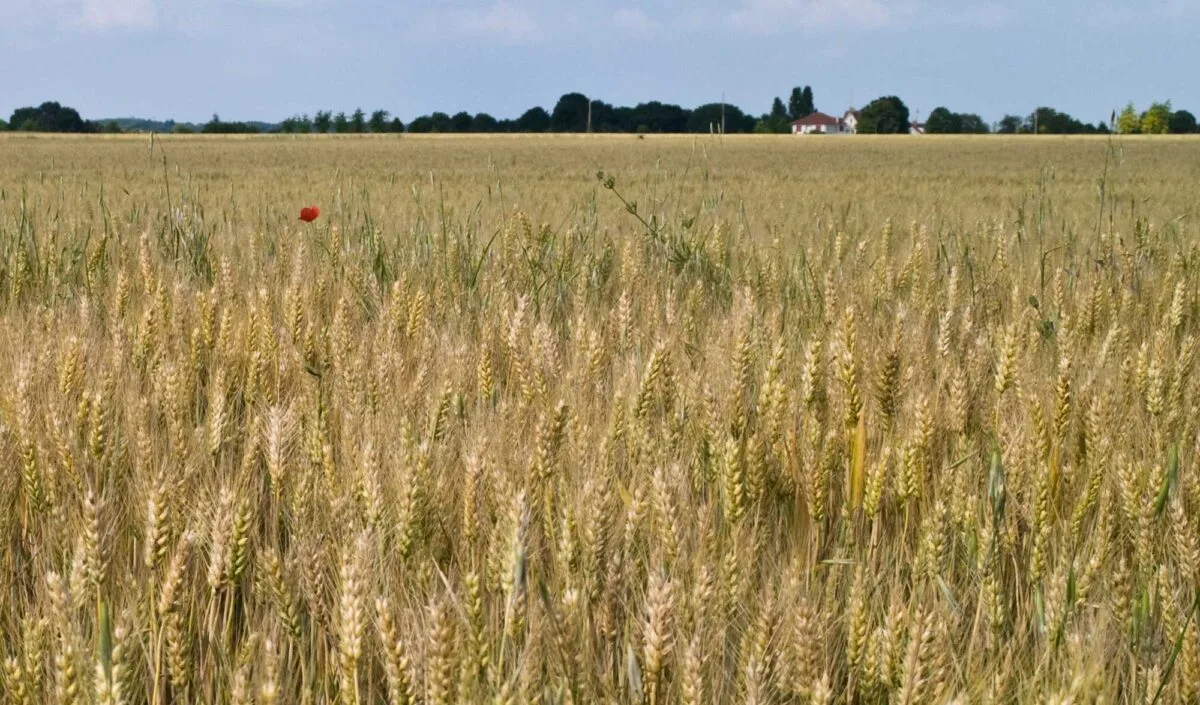
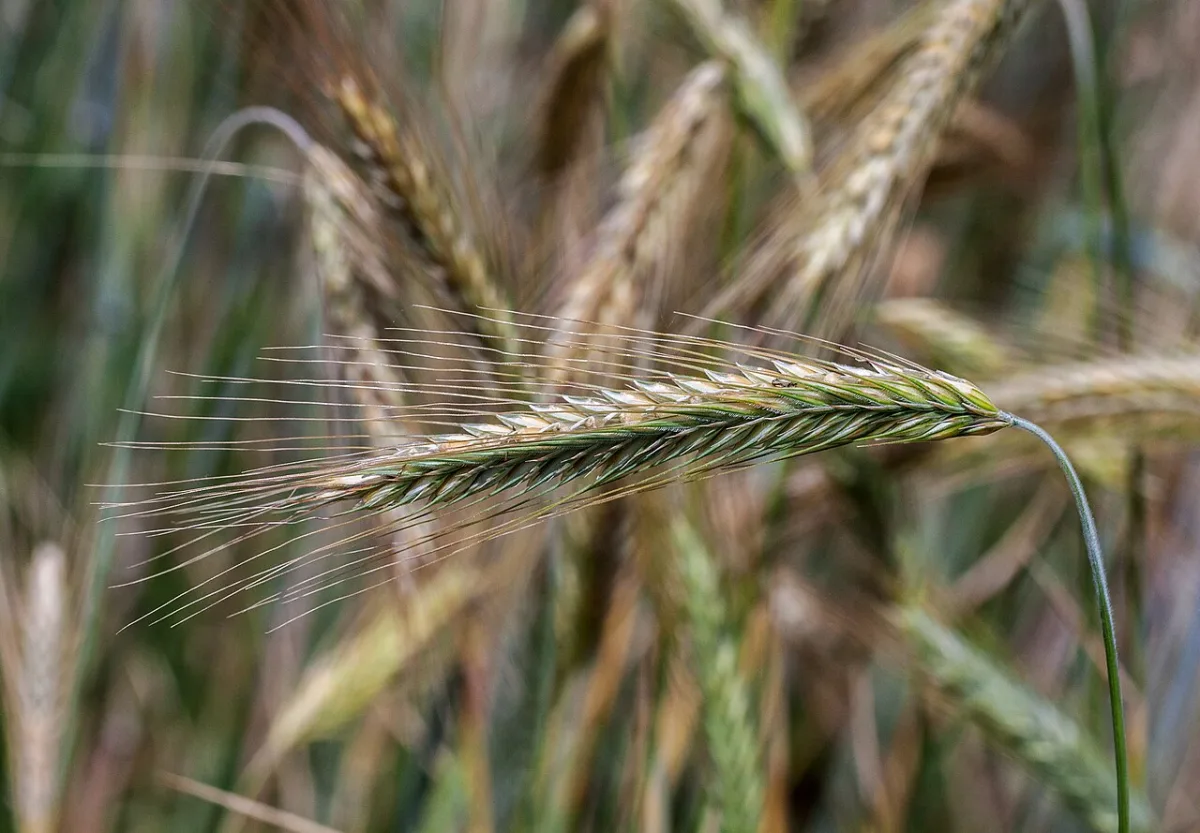
Tillering is a critical developmental stage for cereal crops, on the success of which plant density and the potential of the future harvest directly depend. During this period, the foundations of crop productivity are laid, and agronomic decisions determine the crop's ability to effectively utilize mineral nutrients, resist weeds, and form high-quality grain. Understanding the processes of organogenesis and the biological characteristics of growth allows an agronomist to competently build a management strategy adapted to specific soil and climatic conditions and the biology of the cultivated crop.
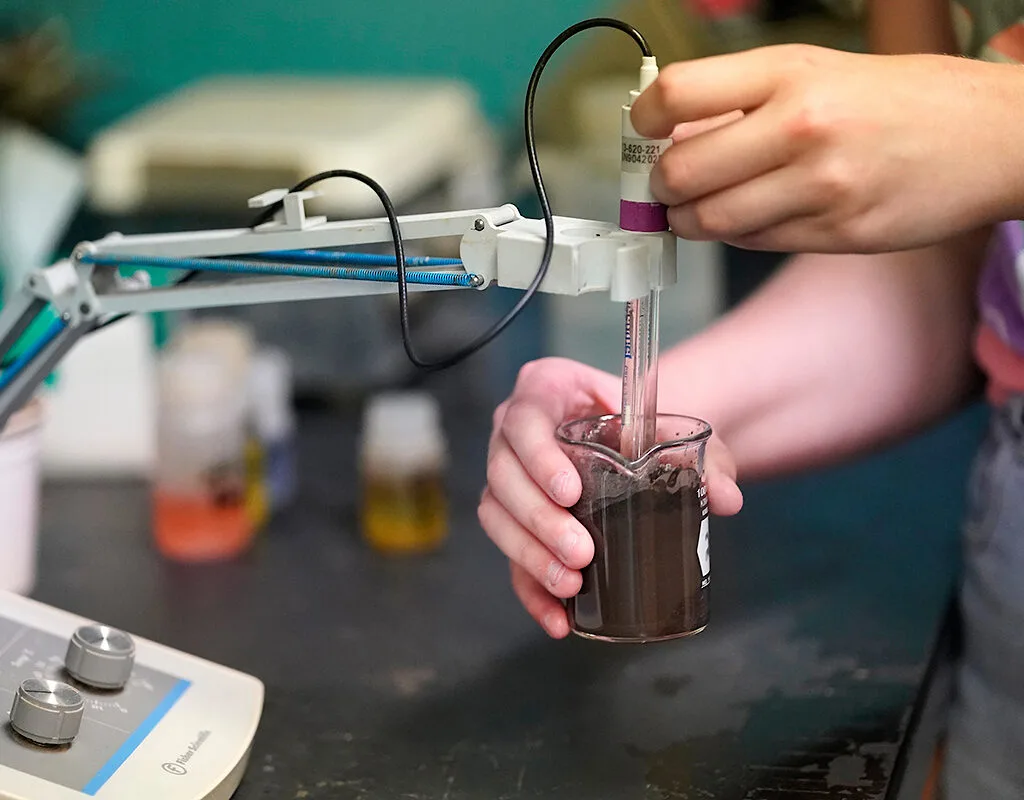
This selection brings together materials that reveal the patterns of cereal development, methods for assessing their nutrient requirements, and principles for constructing fertilization systems. In these articles, the reader will find information on scientifically grounded approaches to the agronomy of winter and spring crops, including issues of chemical plant protection and the use of biological preparations. The presented methods for planning field trials and nutrition systems will help specialists optimize production processes, ensuring high productivity and resilience of agricultural crops in various crop rotation systems.