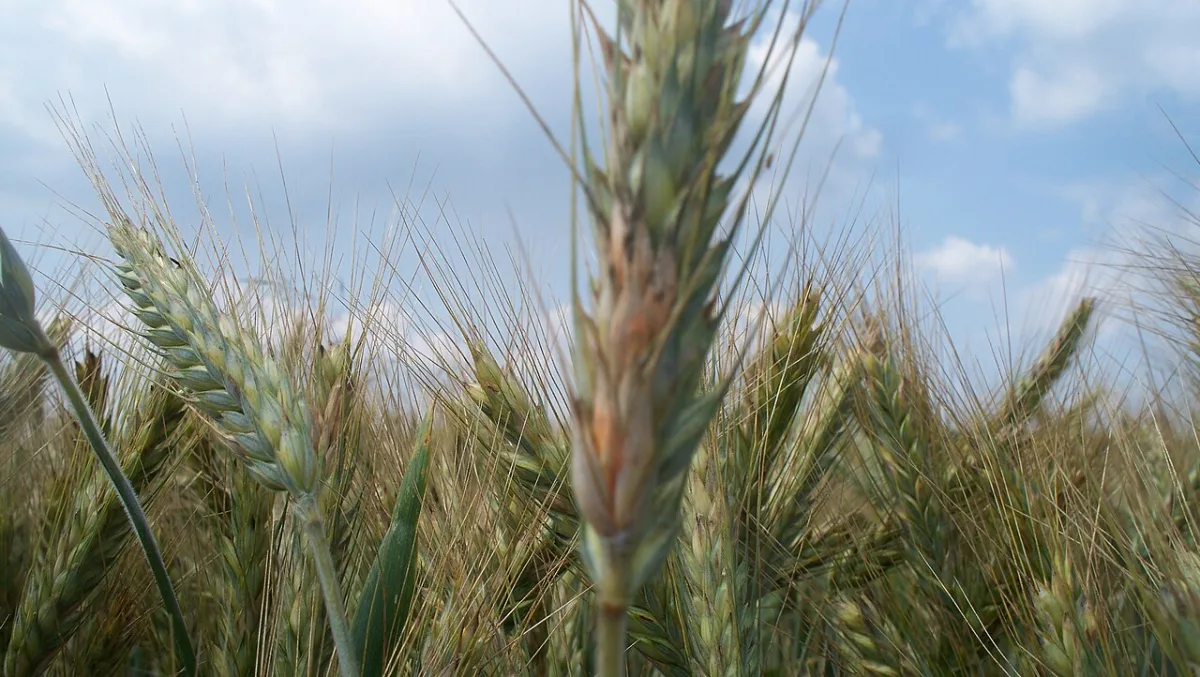
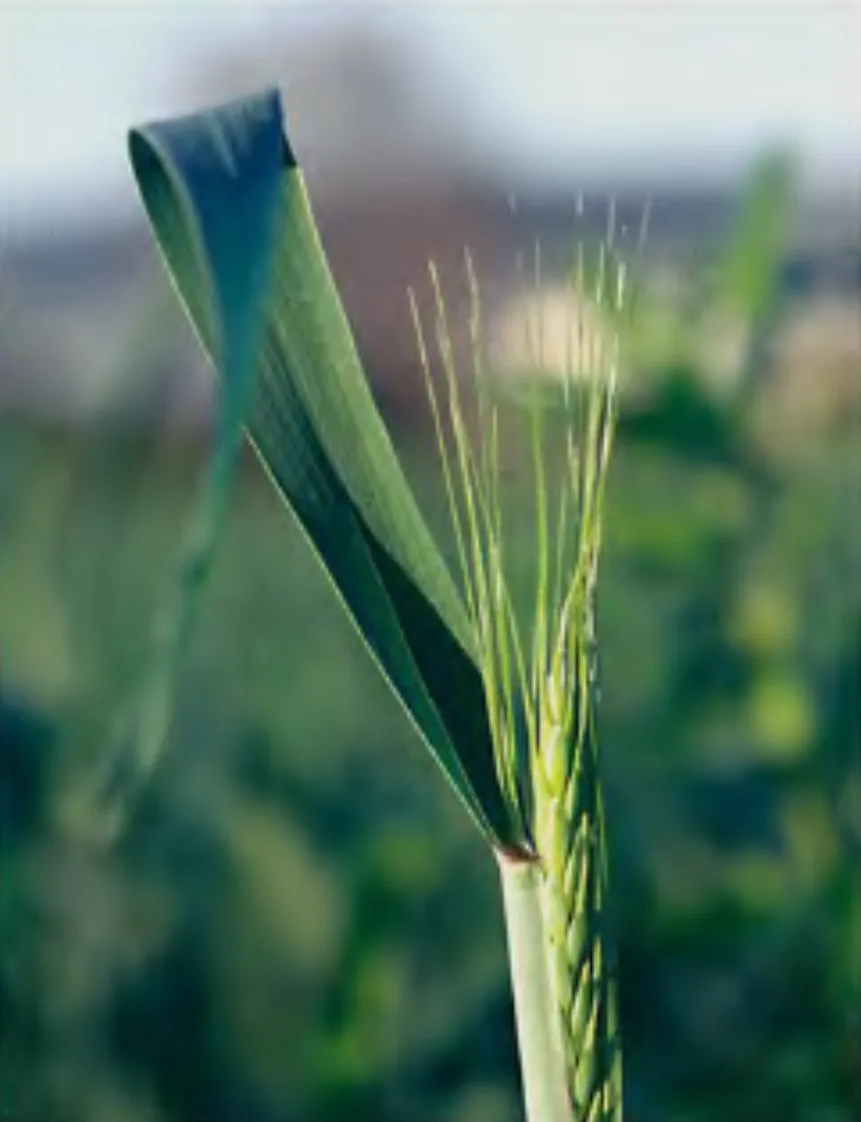
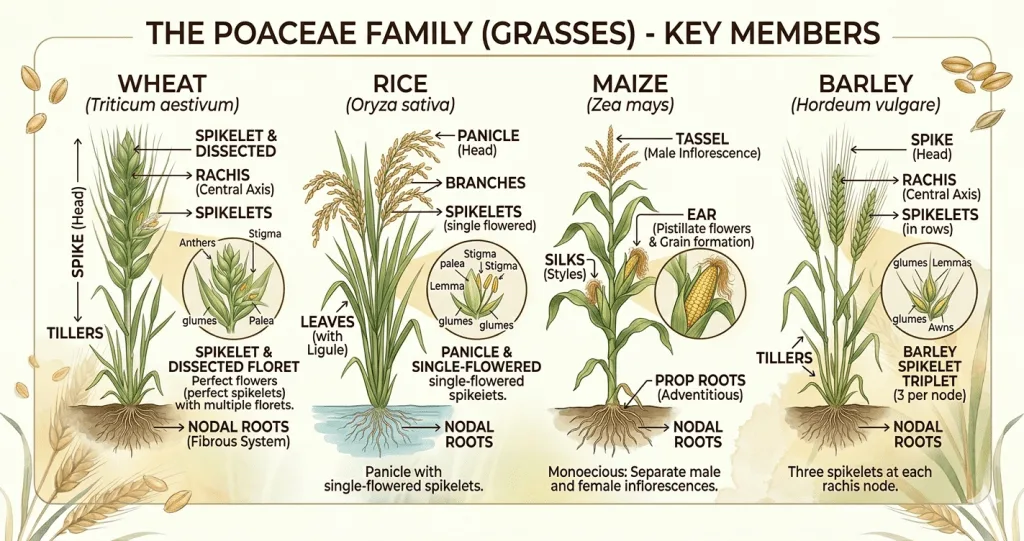
Triticale is a unique hybrid crop that combines the ecological plasticity of rye and the productive potential of wheat. For agronomists and plant production specialists, the study of this cereal opens up opportunities for optimizing the forage base and crop rotation. This selection of materials covers the biological features of the crop, the patterns of its organogenesis and morphological structure, as well as the key factors influencing the realization of a cultivar's genetic potential under current climatic conditions.
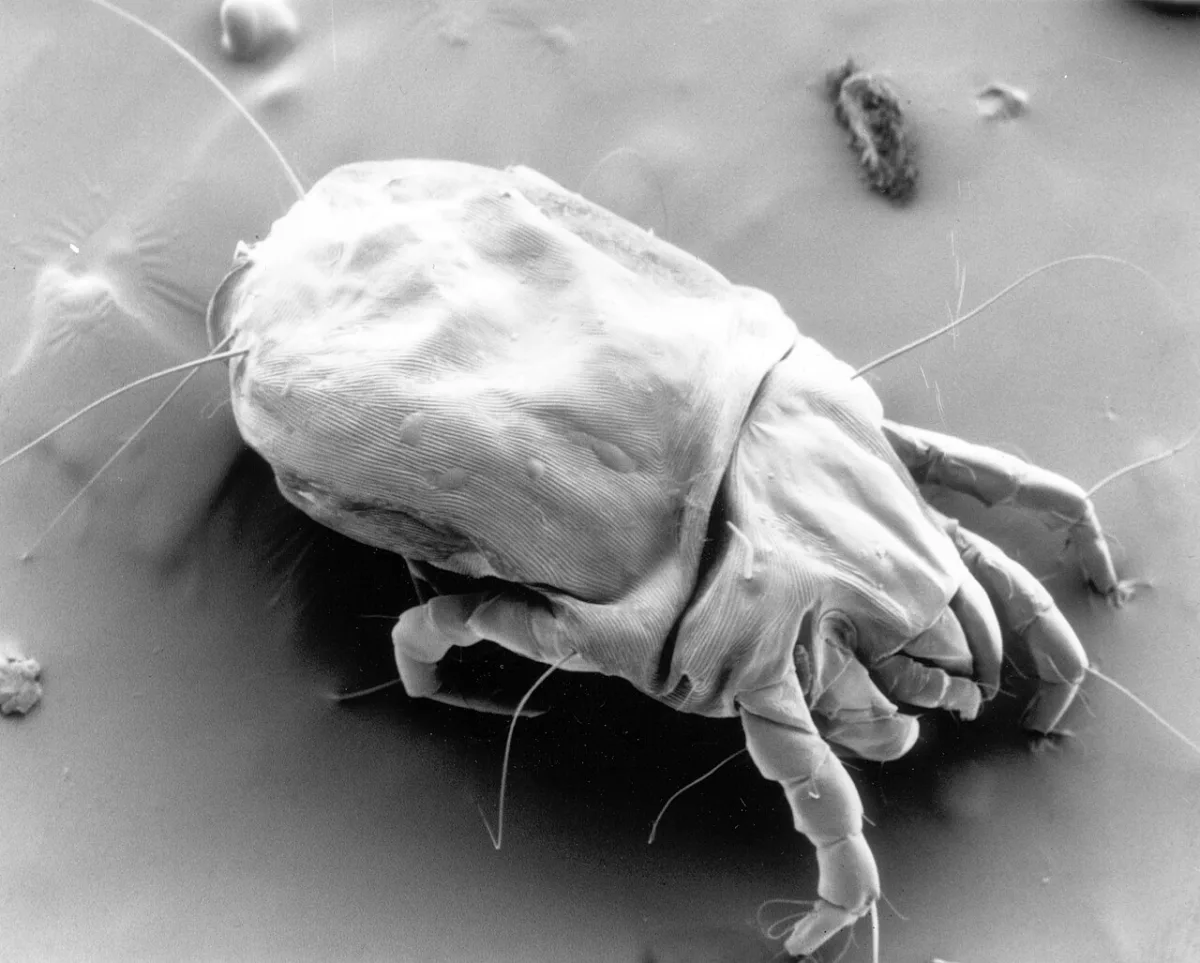
Readers will find in the selection expert analysis of agrotechnical aspects, including effective technologies for plant protection of crops against phytopathogens, such as fusarium and cercosporella rots. Special attention is paid to the issues of seed stock preservation and the prevention of damage by storage pests. The publications will help systematize knowledge about the classification of grain crops, the influence of hydrothermal factors on plant development, and the fundamentals of the breeding process, which is necessary for building a competent cultivation strategy for both triticale and other winter cereals.