Crop · 29 articles

Barley

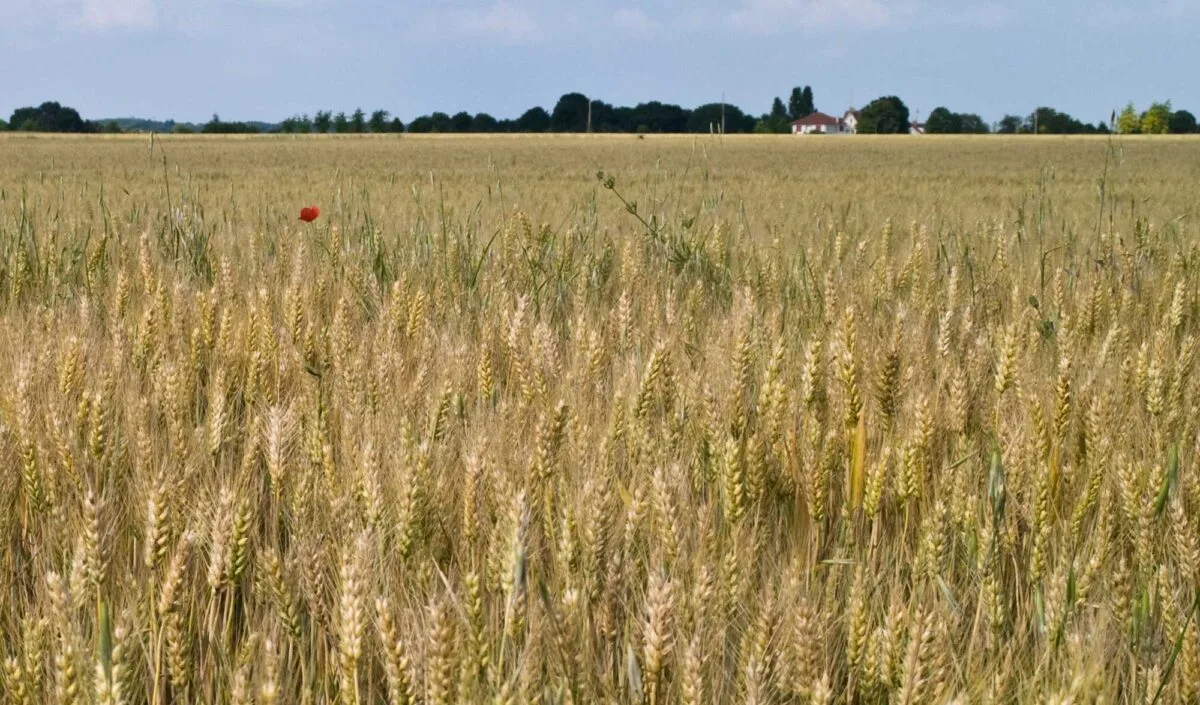
Spring barley is one of the key grain crops, playing an important role in food supply, industrial production, and livestock farming. For agronomic sector specialists, a deep understanding of the biological patterns of development, morphological features of this crop, and the stages of its organogenesis is a necessary condition for achieving high yield. Knowledge of the specifics of mineral nutrition and the crop protection system against pathogens, in particular net blotch, allows for the optimization of the technological process and the reduction of risks of grain quality loss during cultivation and subsequent storage.

This collection brings together materials covering the full cycle of working with barley and related aspects of crop production. Readers will find here information on the fundamentals of mineral nutrition for cereal crops, the impact of phytopathogens and pests on the preservation of the seed stock, as well as an analysis of the design features of combine threshing units. This data will help professionals and practicing agronomists to systematize their knowledge of effective crop cultivation and the technical support of harvesting, ensuring a scientifically grounded approach to field operations.

Plant protection For agronomists

Distribution and harmfulness of net blotch in spring barley

Net blotch, caused by the pathogen Pyrenophora teres, is a major threat to spring barley crops. The article examines the biological features of the disease, its harmfulness, and the symptoms of two main types of infection

Plant protection For agronomists

Influence of storage pests on the sowing qualities of cereal crop seeds

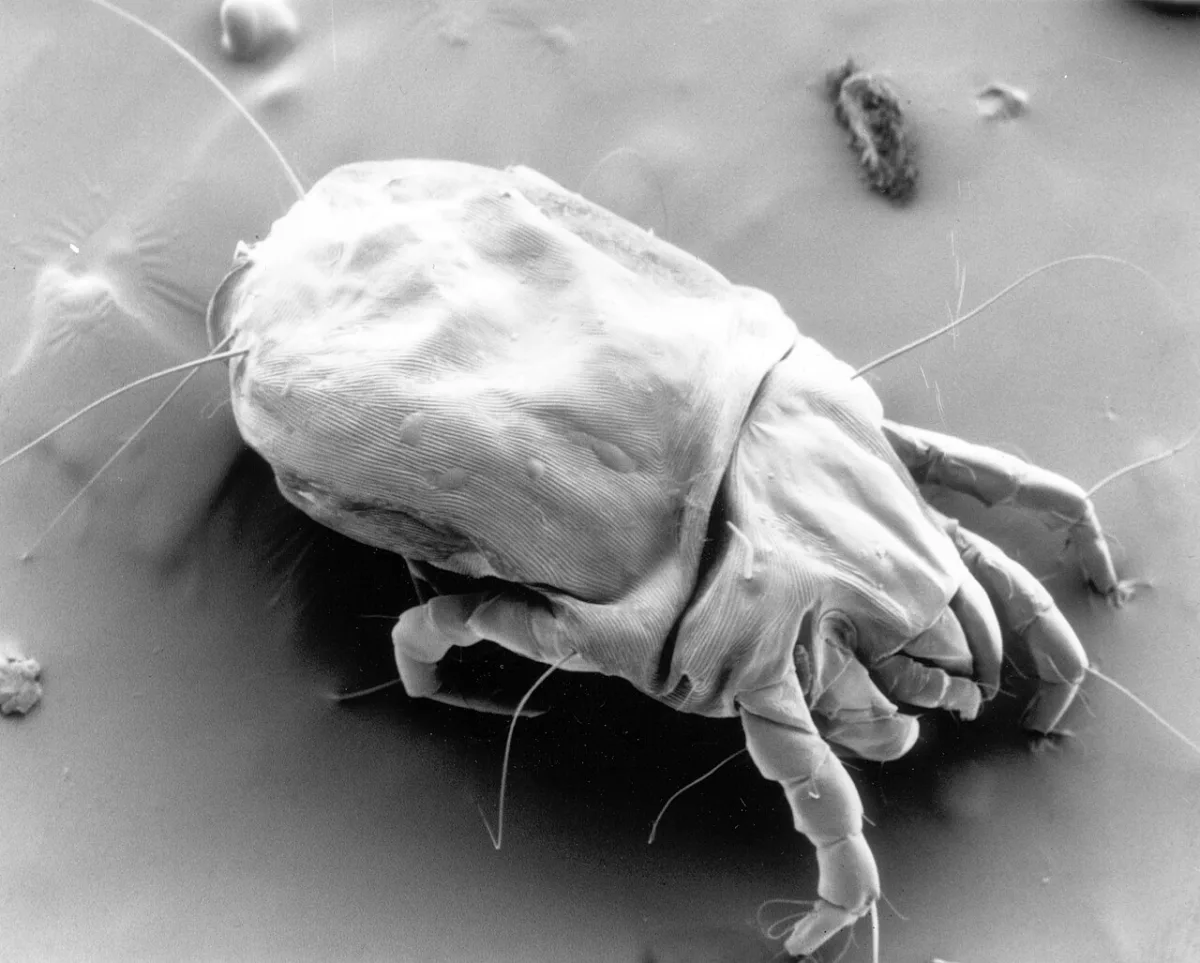
Storage pests cause direct damage to the seed stock by destroying embryos and significantly reducing the grain germination energy. The article analyzes the indicators of harmfulness of major insects and mites, as well as current control standards for seeds of various categories

Poultry For agronomists

Nutrient content in feed for poultry

The article provides a detailed table of the nutritional value of the main types of feed used in poultry farming. The data include indicators of metabolizable energy, crude protein, fat, fiber, as well as the content of calcium, phosphorus, and sodium per 100 grams of product

Livestock For students

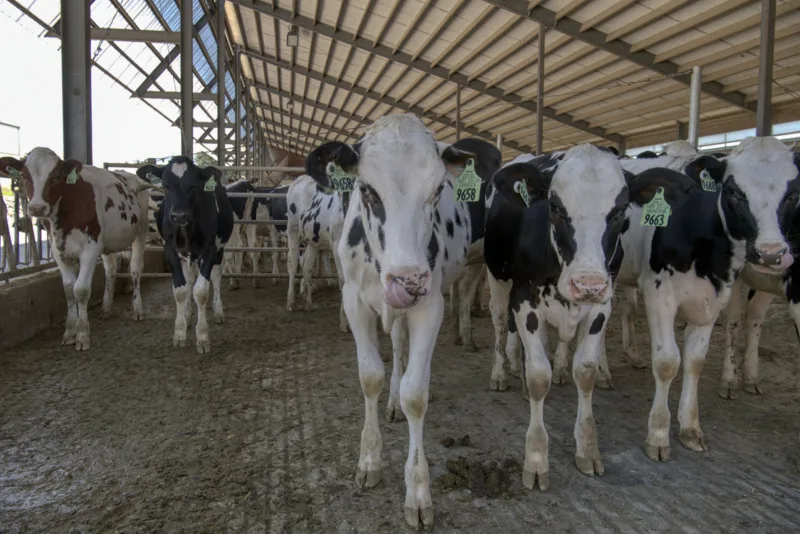
Methodology for compiling and analyzing diets for livestock animals

The article examines the principles of balanced feeding for livestock animals and the basic requirements for calculating diets. The reader will become familiar with the specifics of working with monogastric and ruminant animals, as well as the factorial method for determining their requirements for energy and nutrients

Crop production For students

Stages of organogenesis and patterns of cereal crop development

The article examines the biological patterns of cereal crop development, including the classification of six main phenological phases and twelve stages of organogenesis. This material will help agronomists more accurately determine critical growth periods for effective field work planning.

Poultry For agronomists

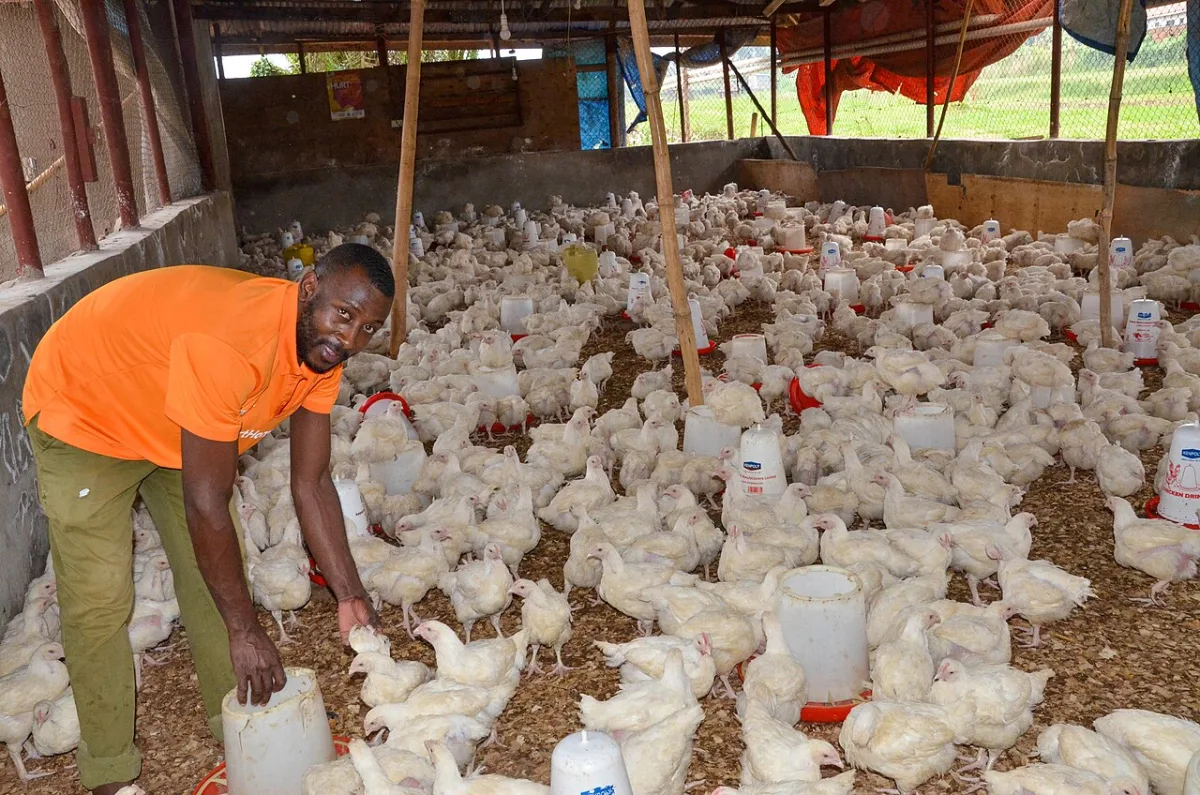
Organization of poultry feeding in industrial and farm holdings

The article examines the forms of complete compound feed and the specifics of their application for different age groups of poultry. Special attention is paid to the organization of feeding for replacement young stock and the features of using wet mixtures in small farm holdings