Concept · 14 articles

Biological efficacy

Biological efficacy is a key indicator in crop production, allowing for the assessment of the results of using plant protection products and agrotechnical practices. For an agronomist, understanding this criterion is critically important for minimizing harvest losses, controlling the spread of pathogens, pests, and weeds, as well as for making informed choices regarding preparations. High efficacy indicators directly influence economic performance, ensuring a reduction in chemical load on the soil and maintaining high product quality.

This collection brings together the results of long-term studies covering the main areas of field crop production and horticulture. The articles present a detailed analysis of the use of herbicides, fungicides, and insecticides on various crops: from cereals and industrial crops to berries and vegetables. You will learn about the specifics of protecting crops from grass weeds, combating invasive species, methods for controlling storage pests, and the efficacy of fungicides against diseases of ears and fruit and berry crops. The materials include protection strategies, analysis of tank mixtures, as well as methods of environmentally safe impact, which will allow specialists to optimize the plant protection system in production conditions.

Plant protection For agronomists

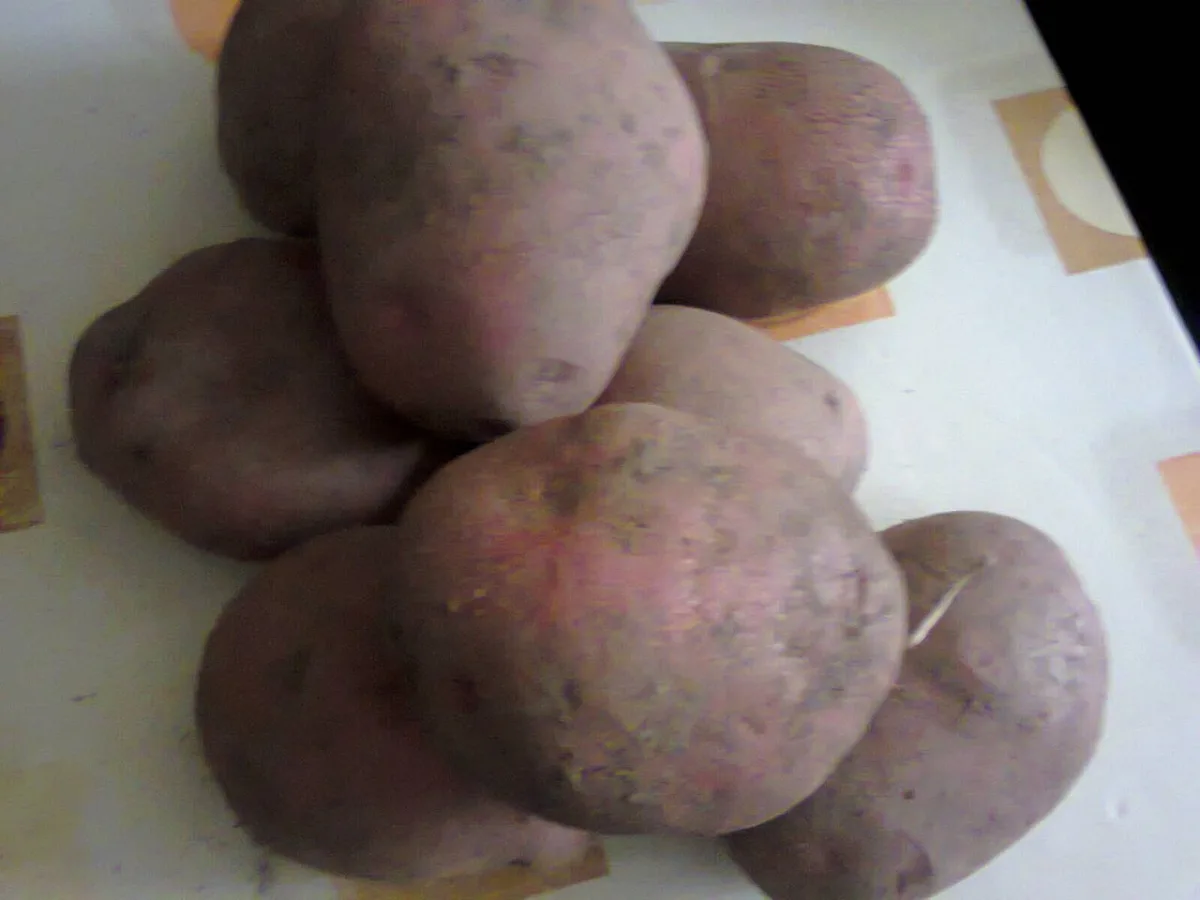
Efficiency of insecticidal treatment of potato seed tubers against pests

Potatoes are susceptible to infestation by Colorado potato beetle, wireworm and aphids, which can lead to a complete loss of harvest. The article reveals the specifics of the harmfulness of these phytophages and justifies the need for the application of insecticidal seed treatments at the stage of pre-planting preparation of seed material

Plant protection For agronomists

Efficiency of fungicide application against ear diseases of spring wheat

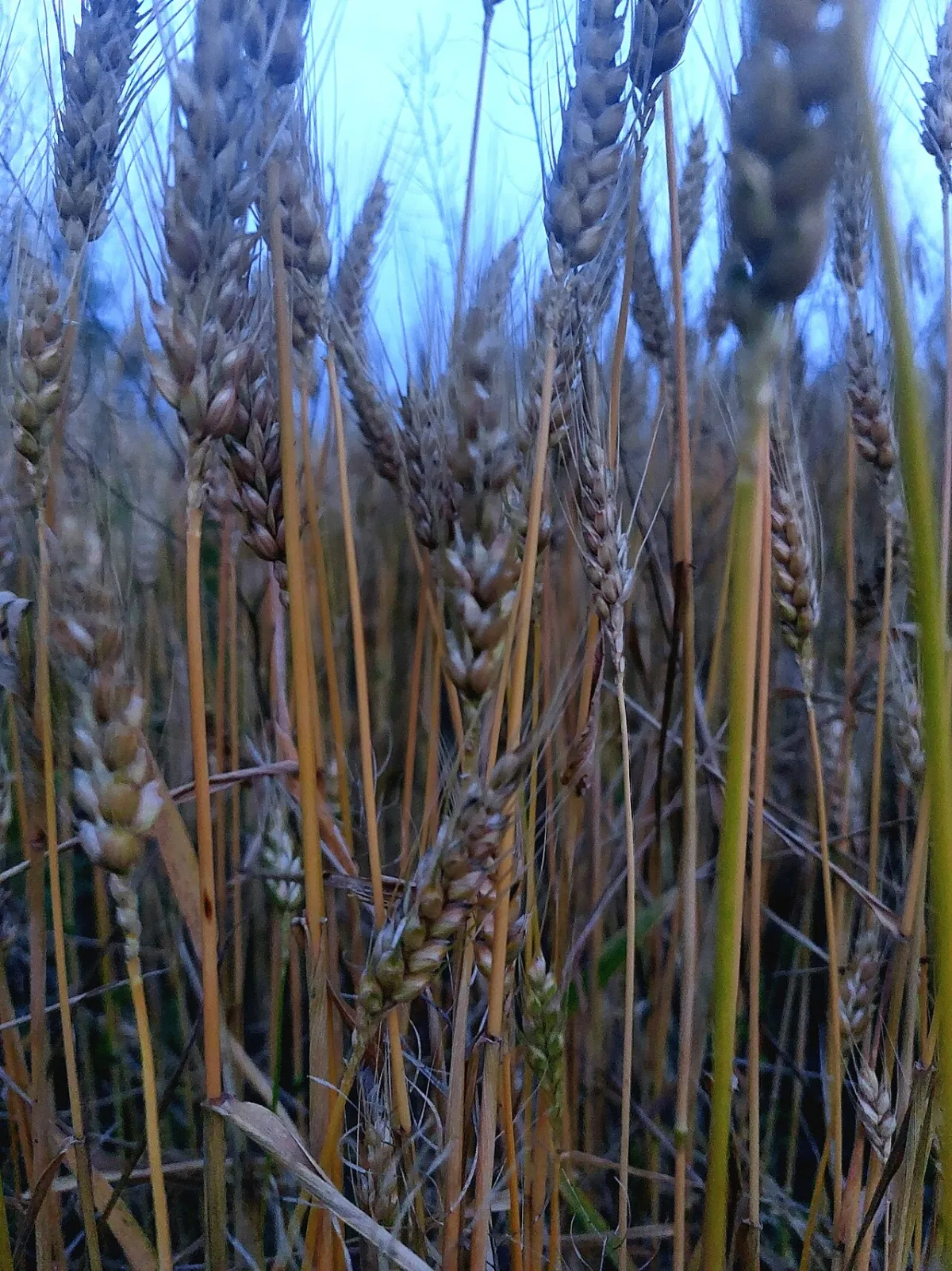
The article presents the results of long-term studies on the efficiency of fungicides against septoria and fusarium head blight of spring wheat. The techniques of plant protection under conditions of artificial infection pressure to preserve yield and grain quality are discussed

Plant protection For agronomists

Harmfulness and distribution patterns of the European corn borer in Belarus

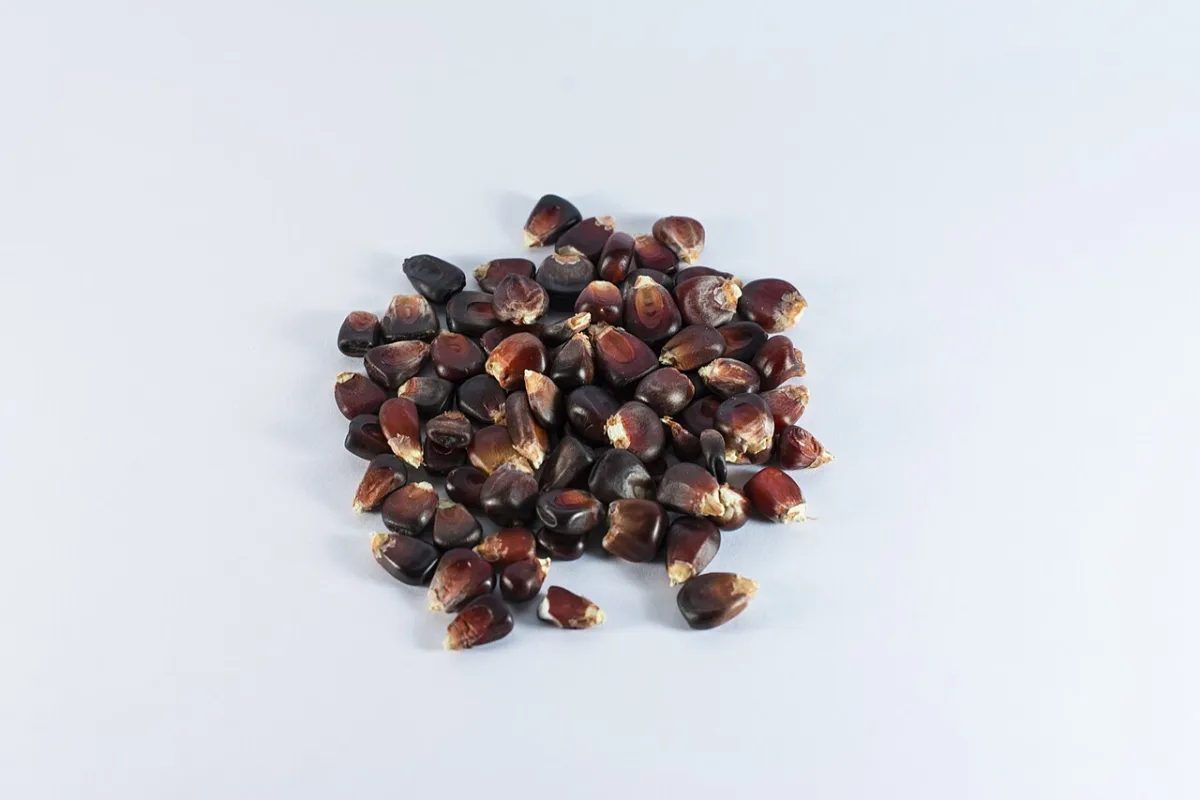
The article analyzes the phytosanitary situation in maize crops in Belarus and the degree of plant damage by the European corn borer. The authors examine the factors contributing to the increased harmfulness of the phytophage and its impact on the quality and quantity of the harvest.

Plant protection For agronomists

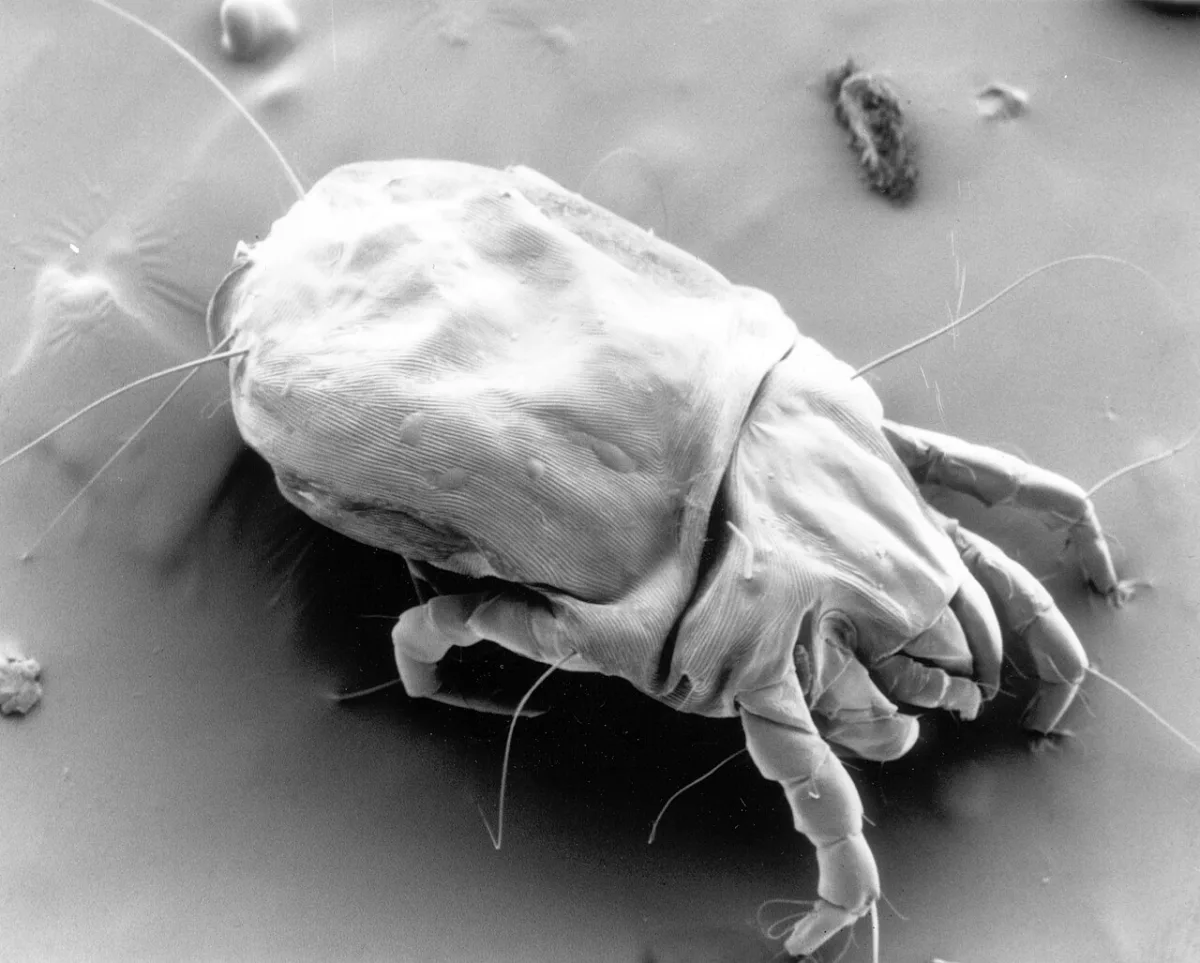
Influence of storage pests on the sowing qualities of cereal crop seeds

Storage pests cause direct damage to the seed stock by destroying embryos and significantly reducing the grain germination energy. The article analyzes the indicators of harmfulness of major insects and mites, as well as current control standards for seeds of various categories

Plant protection For agronomists

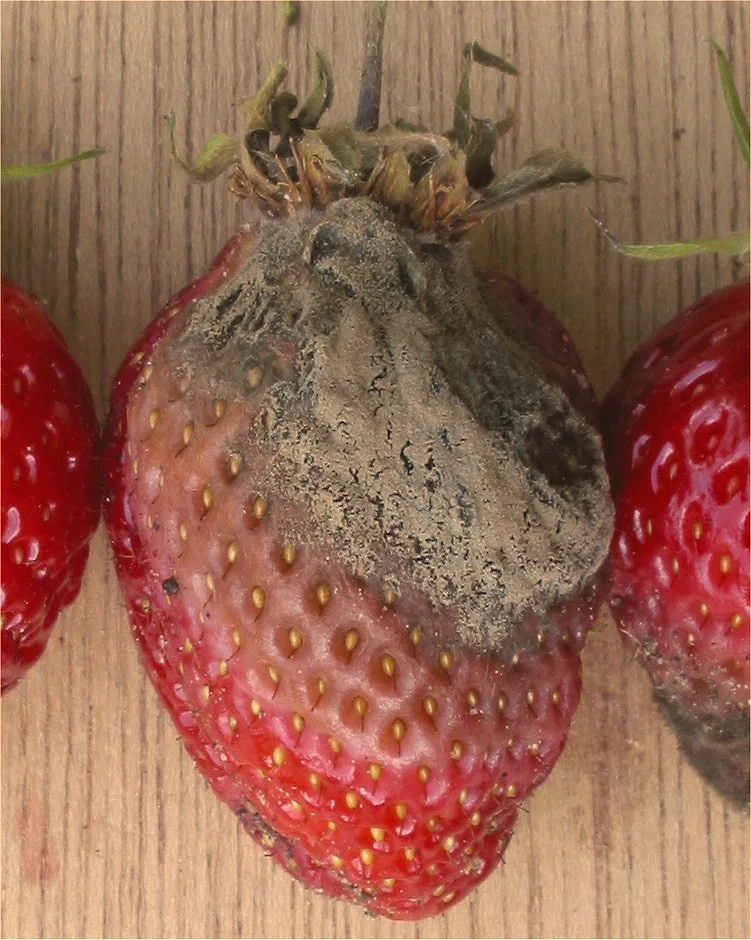
Efficacy of new fungicides in the control of grey mold on strawberry

The article presents the results of testing modern fungicides against grey mold in strawberry plantings. Application schemes for single- and multi-component preparations aimed at improving plant protection of the harvest against Botrytis cinerea are described