
Environmentally safe plant protection of blackcurrant from pests using biological preparations
12 min read
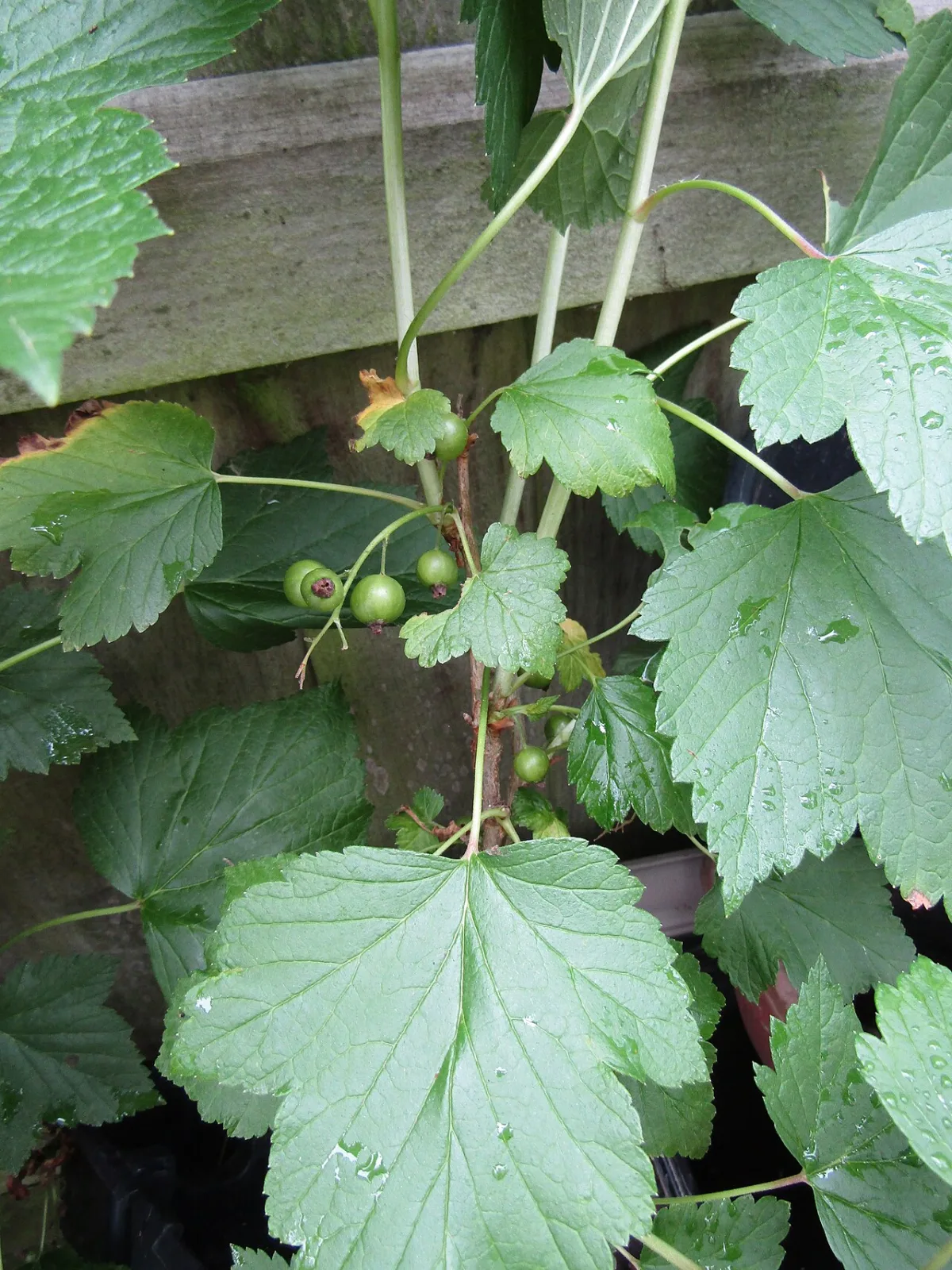
Blackcurrant is a leading berry crop with about 8 thousand hectares under cultivation. However, yield often decreases due to pests, of which there are more than thirty species in commercial plantations. The greatest damage is caused by the blackcurrant gall mite (Cecidophyopsis ribis Westwood) and spider mite (Tetranychus urticae Koch.), as well as leaf-eating caterpillars. The currant clearwing moth (Synanthedon tipuliformis Cl.) also poses a serious problem, especially in fields with mechanized harvesting.
The use of chemical insecticides on early-ripening berry crops is undesirable. Currant berries are consumed fresh and used in baby food, so plant protection must be environmentally friendly.
Biological preparations and pheromone traps
A protection scheme based on biological preparations and pheromone monitoring has been developed for plantations. For mite control, the fungicidal-acaricidal preparation "PSK, 25% aqueous solution" (sodium polysulfides) is applied. To combat leaf-eating caterpillars, "Bitoxibacillin, P" is used with a biological activity of at least 1500 EA/mg and an exotoxin content of 0.6–1.0% (spore-crystal complex and exotoxin of Bacillus thuringiensis, var. thuringiensis). A mass trapping method for males is used against the clearwing moth.
Trapping is carried out using "Attracon-A" pheromone-glue traps. A "SINVABAT" dispenser is placed in them with a dose of 1 mg of a mixture of (2E,13Z)-2,13-octadecadienyl acetate and (3E, 13Z)-octadecadienyl acetate. Traps are placed in the upper part of the bush one week after the end of the currant flowering.
- Application rate of PSK — 2.4 l/ha
- Application rate of Bitoxibacillin — 5 kg/ha
- Trap placement density — 25 units/ha
- Working solution application rate — 600 l/ha
Treatment schedule and control methodology
The effectiveness of protective measures was tested under field conditions on the Titania cultivar (planted in 2013). The industrial verification of the scheme was carried out on an area of 5 hectares: the experimental variant occupied 1 hectare, and the control variant without treatments occupied 0.5 hectares. The experiment was performed in duplicate. Spraying was carried out with a tractor sprayer at strictly defined times. To monitor the results, 20 observation bushes were selected in each variant.
| Treatment | Timing | Currant development phase |
|---|---|---|
| 1st spraying (PSK, 25% a.s. — 2.4 l/ha) | May 7 | In the first blooming flower phase |
| 2nd spraying (PSK, 25% a.s. — 2.4 l/ha) | May 21 | End of flowering |
| 3rd spraying (Bitoxibacillin, P — 5 kg/ha) | May 28 | Beginning of berry growth |
- Hang "Attracon-A" traps in the upper tier of the bushes one week after the end of flowering.
- Carry out regular counts of caught butterflies every 7 days.
- Count the trapped clearwing moth males and remove them from the sticky surface.
To assess the biological effectiveness of the preparations, regular pest population counts are conducted. Observations begin from the "bud burst" phenophase. For each count, at least 10 bushes are selected in each repetition.
The biological effectiveness of the PSK preparation against the blackcurrant gall mite is assessed by the reduction in bud damage on model bushes before and after treatments.
The population of other pests is monitored according to standard methods. A specific method of assessing bush infestation is used for each phytophage species. The results of autumn counts show the real effectiveness of the implemented protective measures.
- Leaf-eating caterpillars: counting pests on 2 meters of branches taken evenly from four sides of each observation bush.
- Spider mite: counting the number of individuals on 25 leaves from each bush.
- Gall mite: counting healthy and mite-infested buds on 25 bushes.
- Currant clearwing moth: autumn cutting and dissection of 200 branches aged 2–4 years in each variant (100 shoots per repetition) with a count of caterpillars inside them.
The berry harvest for calculating the economic effectiveness of the developed technology was collected in 2021, as the impact of mites and the clearwing moth on the harvest is manifested a year later. Statistical processing of the data was performed using analysis of variance.
As a result of phytosanitary monitoring of bearing currant plantations at RUE "Tolochin Cannery," it was revealed that the blackcurrant gall mite and spider mite, the currant clearwing moth, and leaf-eating caterpillars dominated in the crop plantings.
It was established that the optimal period for combating the spider mite is the emergence of overwintered adults, which is observed before the beginning of blackcurrant flowering. According to literature, to protect the crop from the blackcurrant gall mite, it is necessary to conduct two sprayings during the period of phytophage migration into new buds at the following times: "beginning of flowering" (61 – according to the BBCH scale – beginning of gall mite migration) and end of flowering (69 – according to the BBCH scale – mass migration of the gall mite). The first treatment in the experimental variants was carried out on 7.05 during the period of the beginning of the migration of overwintered gall mite adults and the mass emergence of overwintered spider mite adults. The number of buds infested with the gall mite during this period was 6.3–7.1%, and the spider mite population fluctuated from 4.7 to 5.1 individuals on average per leaf. The second treatment was carried out 14 days later (21.05) during the period of mass migration of the blackcurrant gall mite.
The assessment conducted after leaf fall on October 4, 2020, showed that in the treatment variant using PSK, 25%, the number of buds infested by the gall mite was 2.0%, compared to 5.2% in the control variant. Bud damage by the mite during this period decreased by 61.5%.
The effectiveness of the PSK, 25% preparation against spider mites 14 days after application was 63.5%, with an initial pest population of 4.7–5.1 individuals per leaf. Table 1 – Biological effectiveness of PSK in controlling blackcurrant gall mites and spider mites. RUE "Tolochin Cannery," Vitebsk Region, cultivar Titania, 2020.
Number of Damaged by Biological Biological
Dates mobile spider bud gall effectiveness, % effectiveness, %
Variant of treat- mite individuals mite, % after after
ment after per leaf before treatment before treatment
treatment (17.05) (04.10) treatment treatment
PSK, 25% aqueous solution, 07.05
4.7 3.4 63.5 6.3 2.0 61.5 2.4 L/ha 21.05 Control (without
– 5.1 10.3 – 7.1 5.2 – treatment) LSD05 2.64 2.33 2.20 1.49
Based on the biological features of the currant clearwing development (emergence of males precedes emergence of females by 6–7 days, females are monogamous, males are polygamous, butterflies have low migration) and the high attractiveness of the synthetic sex pheromone (SSP) to males of this pest, we developed a mass-trapping method for males using pheromone-adhesive traps, which includes uniform placement of 25 pheromone-adhesive traps per hectare.
As seen in Table 2, as a result of the uniform placement of 25 pheromone-adhesive traps per hectare, 675 males of the phytophage were caught during the currant clearwing flight period, and damage to shoots by currant clearwing larvae decreased by 56.1%.
Table 2 – Biological effectiveness of mass-trapping Synanthedon tipulifornis Cl. using pheromone-adhesive traps, RUE "Tolochin Cannery," Vitebsk Region, currant cultivar Titania, 2020.
Number of butterflies Damaged by Biological
caught during larvae of effectiveness,
Variant flight period shoots, % %
(23.05 – 1.09.2020) (10.11.2020)
25 traps per 1 ha 675 14.5 56.1
Control (without traps) - 39.0 -
For the protection of blackcurrant against leaf-eating pests, predominantly the rose leafroller, with a phytophage population of 5.8–6.4 larvae per 2 m of branches, the biological preparation bitoxybacillin, P, BA (5 kg/ha) was used, which showed high effectiveness in controlling this pest. Biological effectiveness on the 5th and 10th day after treatment was 82.7% and 83.0%. Table 3 – Effectiveness of the biological preparation bitoxybacillin against the rose leafroller, RUE "Tolochin Cannery," Vitebsk Region, currant cultivar Titania, 2020.
Number of larvae on average Biological
Date of per 2 m of branches effectiveness,
Variant treat- before after treatment %
ment treatment
17.05 23.05 28.05 23.05 28.05 Bitoxybacillin, P, BA at least 1500 EA/mg - 28.05 6.4 0.8 0.6 82.7 83.0 5 kg/ha Control without treatment - 5.8 4.2 3.2 - -
LSD05 1.38 1.90 1.25
Harvesting from the experimental variants showed that the saved berry yield in the environmentally safe blackcurrant pest protection variant amounted to 5.7 centners/ha compared to the control. Net profit – 482.8 rubles/ha. Thus, double spraying of fruiting blackcurrant plantations with PSK against spider mites and blackcurrant gall mites, mass-trapping of the currant clearwing using pheromone-adhesive traps, and treatment of plantations with bitoxybacillin ensured a yield increase of 5.7 centners/ha, a net profit of 482 rubles/ha, and the production of environmentally friendly produce.
Table 4 – Economic and economic efficiency of the environmentally safe protection system for blackcurrant against pests, RUE "Tolochin Cannery," Vitebsk Region, cultivar Titania, 2021.
Berry yield on aver-
Berry yield calculated age per 1 bush, kg
Costs of treat- per 1 ha, centners Yield increase, Net profit,
ment product, rubles/ha centners/ha rubles/ha
PSK 25% aqueous solution, 2.4 L/ha + 25 traps per 1 ha + Bitoxybacil-
0.56 16.8 5.7 1425 942.8 482.2 lin, P, BA at least 1500 EA/mg – 5 kg/ha Control (without
0.37 11.1 - - hanging traps and treatments)
Conclusion. In industrial trials, it was established that the use of an environmentally safe technology for protecting blackcurrant against pests, including double spraying of blackcurrant with the fungicidal-acaricidal preparation "PSK", 25% aqueous solution (sodium polysulfides) just before flowering and immediately after the crop's flowering, mass-trapping of the currant clearwing using pheromone-adhesive traps, and spraying the bushes one week after flowering with the biological preparation bitoxybacillin against leaf-eating pests, reduces the spider mite population by 63.5%, bud damage by the gall mite by 61.5%, shoot damage by the currant clearwing by 56.1%, the number of leaf-eating larvae by 83.0%, and ensures the preservation of 5.7 centners/ha of berry yield, resulting in a net profit of 482.2 rubles/ha.
Methodological guidelines for conducting registration trials of biological preparations for plant protection against pests and diseases / Scientific and Practical Center of the NAS for Agriculture; compiled by L. I. Prishchepa, N. I. Mikulskaya, D. V. Voitka. – Nesvizh: Nesvizh Enlarged Printing House named after S. Budny, 2008. – 56 p.
Handbook of pests of fruit and berry crops / E. I. Khotko [and others]. – Minsk: [s. n.], 2005. – 260 p.
Stepanova, N. A. Features of development and harmfulness of the big bud mite on black currant / N. A. Stepanova // Vestn. agrar. nauki. – 2018. – No. 3. – P. 139–145.
Yarchakovskaya, S. I. Control measures against the currant clearwing (Synanthedon tipuliformis Cl.) in Belarus / S. I. Yarchakovskaya, N. N. Bezruchenok // Plant protection: coll. of scientific papers / BelRIIP; editorial board: S. V. Soroka (editor-in-chief) [et al.]. – Minsk, 2002. – Iss. XXIV. – P. 15–23.
Yarchakovskaya, S. I. Reducing the harmfulness of mites on black currant / S. I. Yarchakovskaya, N. E. Koltun, R. L. Mikhnevich // Plant protection: coll. of scientific papers / Scientific and Practical Center of the NAS of Belarus for Agriculture, Institute of Plant Protection; editorial board: L. I. Trepashko (editor-in-chief) [et al.]. – Minsk, 2021. – Iss. 45. – P. 230–235.
9. Jarcakovskaja, S. Attractiveess of pheromones synthesized in Belarus / S. Jarcakovskaja, N. Koltun, R. Mikhnevich // V kongres o zastiti bilja: zbornik rezimea, Zlatibor, 22–26 novembar 2004 g. = V Congress of plant protection: book of abstracts. – Belgrad, 2004. – S. 231.
S. I. Yarchakovskaya, N. E. Koltun RUE «Institute of Plant Protection», Priluki, Minsk region
EFFICIENCY OF ENVIRONMENTALLY FRIENDLY
PROTECTION OF BLACK CURRANT FROM PESTS
Annotation. The use of environmentally friendly technology for protecting intensive blackcurrant plantations from pests under production conditions, including double treatment of blackcurrant with the fungo-acaricidal preparation «PSK», 25% of w.s., mass capture of currant clearwing moth with pheromone-sticky traps, spraying of bushes with the biopreparation bitoxibacillin reduce the number of phytophages by 63.5-83.0%, damage caused to buds by currant big mite by 61.5%, damage caused to shoots by currant clearwing moth by 56.1% and ensure the preservation of 5.7 c/ha of berry yield and a net income of 482.8 rubles/ha.
Key words: black currant, pests, biopreparations, pheromones, biological efficiency.
Read next
Farm machinery For agronomists
Integrated methods for protecting crops from diseases, pests, and weeds
Greenhouses and covers For gardeners
Biological methods of protecting greenhouse crops from pests and diseases
Plant protection For agronomists