Phytophages are organisms that feed on plants, whose life activities directly affect the productivity of agrocenoses. For a specialist and a home gardener, understanding the biology, population dynamics, and spread mechanisms of pests is the foundation of phytosanitary control. Timely monitoring and the competent selection of control methods, whether it be insecticidal seed treatment, the application of biological products, or the analysis of abiotic environmental factors, allow for the minimization of harvest losses and the prevention of large-scale infestation of crops in open and greenhouse soil.
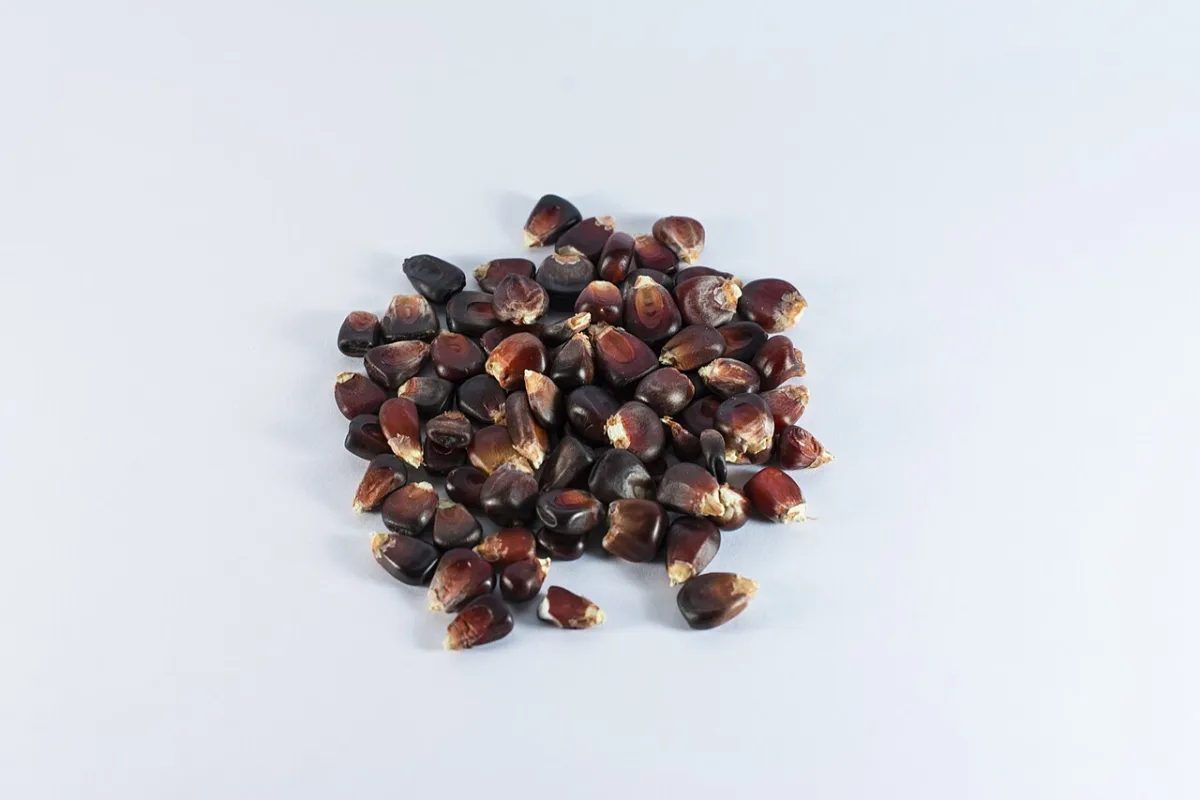
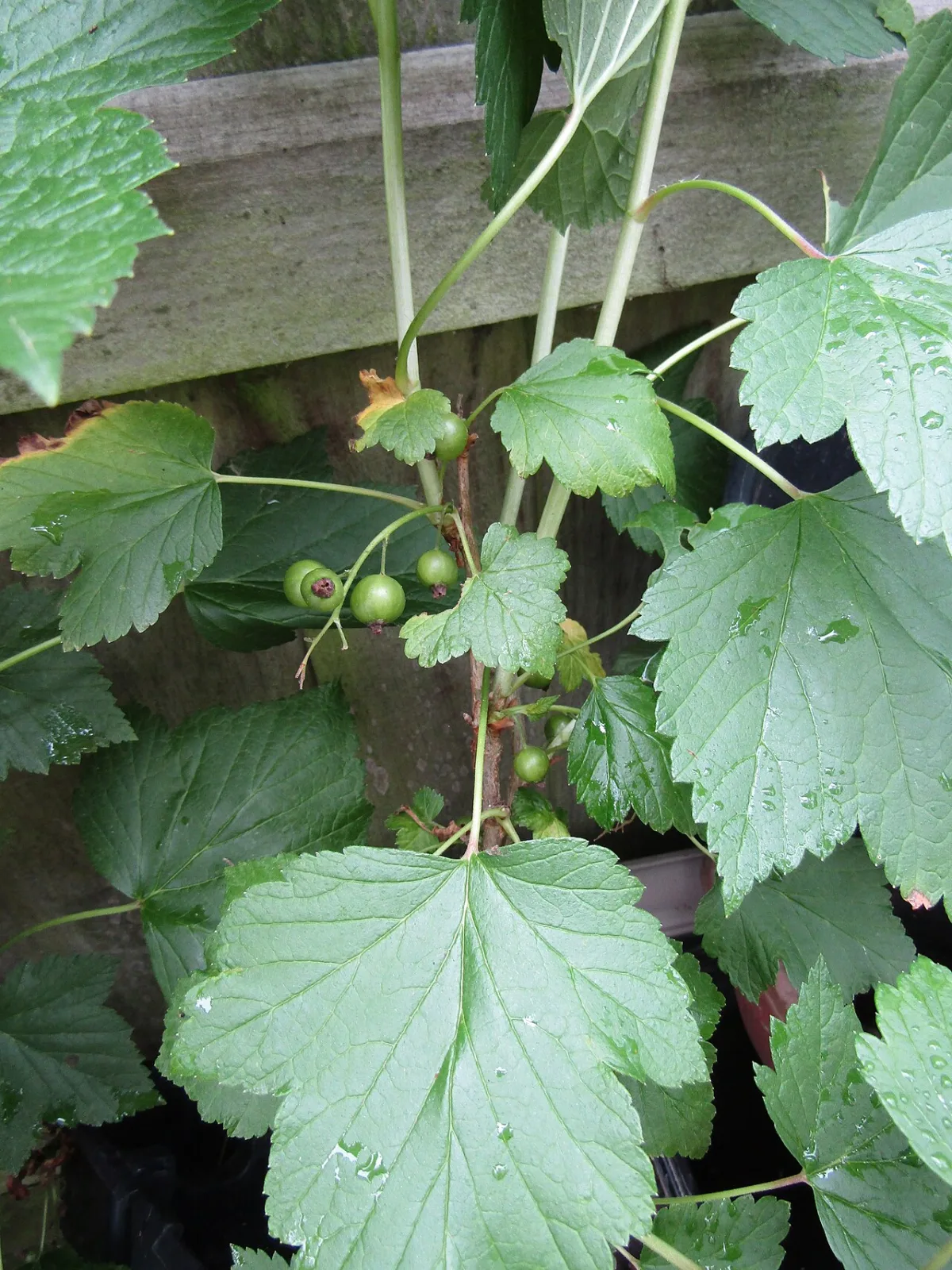
This selection brings together materials dedicated to the protection of various agricultural crops from key pests. The articles present a long-term analysis of the phytosanitary situation in winter wintercress, corn, and rapeseed crops, and also discuss strategies for controlling the Colorado potato beetle, European corn borer, gall midge, and nematodes. Special attention is paid to environmentally friendly methods of protecting fruit and berry plantations and the theoretical aspects of the evolution of living matter, which help to gain a broader perspective on natural processes in agriculture. These publications provide a practical base for assessing risks and selecting the most effective measures for harvest protection.