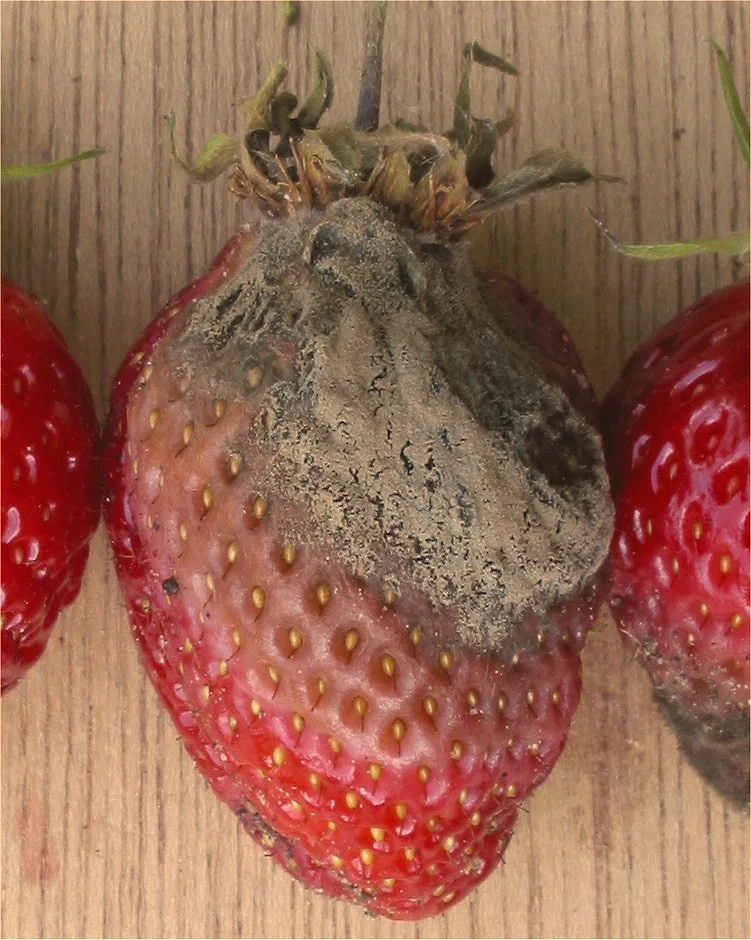
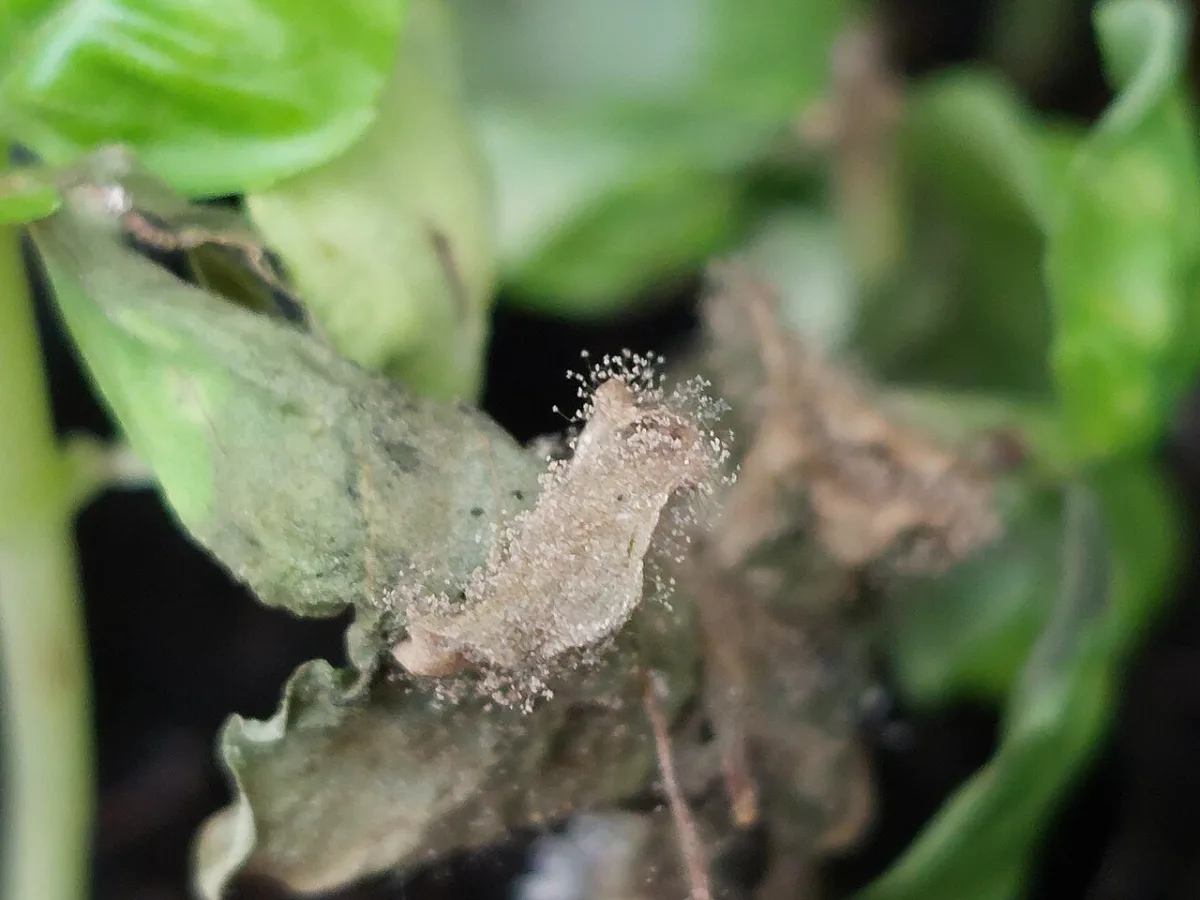
Grey mold, caused by the pathogen Botrytis cinerea, remains one of the most dangerous diseases in crop production, capable of leading to significant harvest losses in vegetable and berry crops. For agronomists and gardeners, it is critical to understand the mechanisms behind the development of this fungal infection, methods for its timely diagnosis, as well as current protection strategies that combine chemical preparations and microbiological agents. Professional management of the phytosanitary situation requires a complex approach, taking into account not only the choice of control measures but also external abiotic factors that influence the intensity of infection spread within agrocenoses.
This selection includes materials dedicated to key aspects of pathogen control in orchards and on garden plots. Readers will find results from evaluating the efficacy of modern fungicides when working with garden strawberries, as well as recommendations for the diagnosis and prevention of grey mold on tomatoes. In addition to highly specialized topics on combating fungal diseases, the articles cover the impact of environmental conditions on disease development, including the effects of terrain and solar radiation levels. Furthermore, reviews of cultivar diversity for agricultural crops are presented, allowing for the selection of the most suitable hybrids for cultivation under specific conditions.