
The effect of solar radiation on the development of downy mildew in cucumber and plant protection methods
20 min read
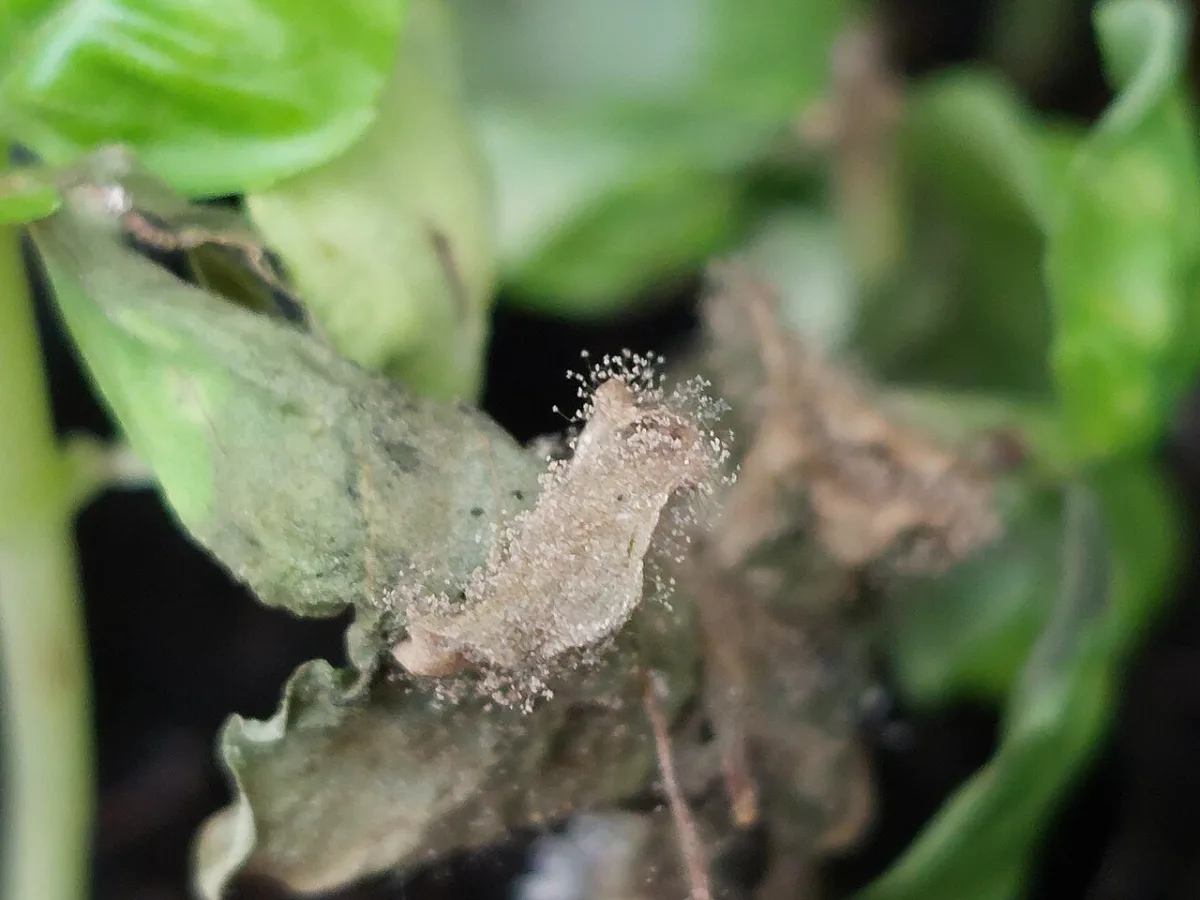
Downy mildew (false powdery mildew) remains one of the main threats to cucumber plantings both in protected and open soil. The disease spreads rapidly and, under favorable conditions, is capable of completely destroying the harvest in a matter of days. Effective plant protection requires the agronomist to understand the biology of the pathogen, control the microclimate, and make a precise selection of preparations.
How downy mildew develops: the influence of heat, moisture, and sunlight
During the growing season, the zoospores of the pathogen penetrate leaf tissues through stomata at temperatures from 8 to 30 °C and in the presence of droplet moisture. At a temperature of about 18 °C and relative humidity of air 100% the incubation period of the disease lasts only three days. By autumn, spherical yellowish oospores with an uneven membrane form in the affected tissues of the cucumber leaf, in the phase of which the fungus successfully overwinters.
The development of downy mildew is highly dependent on solar radiation. The pathogen begins to actively consume nutrients from leaf cells when the average daily level of photosynthetically active radiation (PAR) in the 380–710 nm range is no less than 300 J/cm². When the average daily PAR level reaches 1400–1500 J/cm², the incubation period is reduced to three days. High solar activity stimulates the photosynthesis of the host plant, which accelerates the parasite's life cycle, increases the number of asexual reproduction generations, and triggers an epiphytotic outbreak.
- Temperature range for infection — 8–30 °C
- Optimal humidity for incubation — 100%
- Pathogen activity threshold — from 300 J/cm² PAR
- Incubation period at 1400–1500 J/cm² PAR — 3 days
Protection system: resistant hybrids, agricultural practices, and treatments
Cucumber resistance to downy mildew is genetically determined and depends on many factors. It is controlled by three recessive genes, one of which — at — possesses pleiotropic action or is linked to the resistance gene for powdery mildew. Using resistant and tolerant hybrids allows for a significant reduction in production risks.
Choosing the right sowing material is the foundation of downy mildew prevention. The market offers hybrids with varying degrees of resistance to the pathogen. For sowing, it is recommended to choose the following options:
- Resistant F1 hybrids: Legenda, Foton, Rodnichok, Golubchik, Solovey, Semkross, Debyut, Katyusha, Kumir, Lord, Fermer, Virenta, TSKhA-405, Vostok, Topolek, Kostik, Nord, Sancho, Zodiak, Natali, Kit, Lotos, Mig.
- Tolerant F1 hybrids: Regata, Blik.
Agrotechnical prevention includes the removal of post-harvest residues, disinfection or replacement of the soil, and maintaining optimal soil moisture. Cucumber seed-growing crops must be located in regions where downy mildew is absent or develops suppressively. During the growing season in greenhouses, it is important to prevent condensation from falling on the leaves, and in summer, to whitewash the roof or use screens to reduce solar radiation. When pruning, affected leaves and shoots are removed completely, without leaving stubs.
Before sowing, seed is prepared to combat latent infection and stimulate emergence. This set of measures allows for the elimination of latent infection, increases germination energy, and protects seedlings at early stages. Preparation includes several consecutive steps:
- Sorting seed by mass and specific gravity.
- Heating the sowing material.
- Soaking for 12 hours in a solution of trace elements.
- Drying the seed to a standard moisture content of 10–15%.
- Disinfection with chemical fungicides or biological preparations.
For soaking seed, a special solution of trace elements is prepared. The seed is kept in it for 12 hours before drying. The solution formulation is provided in the table below:
| Component | Concentration in solution, g/l |
|---|---|
| Copper sulfate | 0.05 |
| Magnesium sulfate | 0.2 |
| Zinc sulfate | 0.2 |
| Ammonium molybdate | 0.5 |
| Potassium permanganate | 0.1 |
| Boric acid | 0.1 |
After drying, the seed is chemically disinfected with TMTD at an application rate of 4 g/kg. As an alternative for seed treatment, the biological preparation Trichodermin (15 g/kg) or its mixture with MaKMO (0.4 g/kg) and the specified microelements is used. During the growing season, cut sites on leaves and shoots are coated with a paste consisting of 30–50% Trichodermin and 3–5% MaKMUTs. To combat the latent form of the disease, plantings are sprayed with a 1% aqueous suspension of Trichodermin (strain T. Vagapit VKM F-2477D), and Planriz is used for prevention and in the initial stages.
Do not exceed the dosage of Trichodermin during seed treatment, otherwise inhibition of seedlings with deformation of cotyledons and the hypocotyl may occur. Also, keep in mind that Bordeaux mixture is ineffective against downy mildew.
For chemical control of latent infection, seed is treated with metalaxyl-based preparations. Upon the appearance of the first symptoms of the disease or during periods of high infection threat, systemic and contact fungicides are used. To avoid rapid development of resistance in the pathogen, combined preparations are used: Ridomil MC (2.5 kg/ha), copper oxychloride (1.9–2.1 kg/ha), Sandofan M 8 (2 kg/ha), or Efal (3 l/ha). Biological effectiveness of these treatments is 87–89%; spraying is repeated after 5–7 days. In zones where cross-resistance of the population to metalaxyl and oxadixyl has formed, cucumber is treated once with the preparation Efal.
Strobilurins work worse against downy mildew than against powdery mildew, as their active ingredient does not penetrate deep into the leaf and does not destroy intracellular mycelium. Use Quadris or Strobi only preventively, and upon the appearance of the first signs of the disease, immediately switch to combined systemic-contact fungicides.
Symptoms. Usually, the disease spreads rapidly, affecting all above-ground plant organs: leaves, petioles, stems, and immature fruits. Infected stems and petioles are covered with a dark gray coating with a purple hue. This coating consists of the pathogen's conidial sporulation, which the fungus uses to spread and cause new infections.
The disease primarily affects the leaves. Small, light-brown, poorly defined spots of various shapes (angular, round, oval) appear on them. Merging together, these spots form patches of dead tissue ranging from 0.4 to 1.4 cm in diameter. A characteristic sign of the infection is a brownish rim around the spot, which remains after the tissue patches fall out.
Pathogen biology. During the growing season, the fungus spreads via conidia. By autumn, the disease develops on the stems as an abundant coating. A temperature of 20-26° is favorable for the development of the disease, during which abundant sporulation occurs and rapid spread of the fungus is observed. Germination of the fungal conidia occurs at a humidity level of 50 to 100%.
Epiphytotics are facilitated by sharp temperature fluctuations (from 33-36° during the day to 10-12° at night), which lead to a physiologically weakened state of the plants, as well as mechanical damage caused by pinching, pruning, and other plant care practices. The incubation period is 4-5 days.
At temperatures below 10°, chlamydospores (the resting stage of the fungus) develop on the mycelium. Sclerotial cushions and microsclerotia appear on overwintered plant residues. The asexual sporulation of the fungus develops in the form of dark-colored, long, unbranched, multicellular solitary conidiophores that do not differ from the mycelium. During growth, the conidiophores rise above the surface of the substrate. Dark brown conidia develop at their ends. They are club-shaped or cylindrical, straight or slightly curved, rounded at the ends, with 5-16 transverse septa. The conidia form chains that easily break apart, with small, colorless, rounded cells (disjunctors) clearly visible between them, connecting the conidia to each other.
The leaf blight pathogen survives on plant residues and in seed.
Plant resistance to the pathogen. No single cultivar or hybrid resistant to the disease has been discovered, although some differences in the susceptibility of individual cucumber cultivars have been observed. The disease developed more severely on cultivars that, due to their biological characteristics, are more frequently subjected to pinching and pruning, as severe wounding facilitates the entry of the parasite and the development of the disease. The Dlinnoplodny cultivar and the Klinsky mestny hybrid are less affected.
Careful collection and destruction of post-harvest plant residues. Replacement or soil disinfection by thermal or chemical methods (see the chemical method of soil disinfection).
Seed sorting and seed treatment with TMTD (4-8 g per 1 kg of seed). This can be performed in advance, 3-4 months before sowing.
Minimal pinching and leaf removal during plant formation and care help to reduce mechanical tissue damage and limit the entry of infection into the plants.
Upon the appearance of the first signs of disease, spray the plants with a 0.7-1.0% solution of Bordeaux mixture or a 0.5% suspension of copper oxychloride. Repeat the treatment after 8-10 days.
Pathogen — Uetima sisitetti 16. Harmfulness. A rarely occurring disease capable of developing in film greenhouses, where it affects not only cucumber but also watermelon, melon, and summer squash. Symptoms. Plants affected by venturiosis are poorly developed, and stems often crack and fray. The main forms of disease manifestation are spotting and plant wilting. Spots on stems, as well as on shoots and petioles, are oblong or strip-like, watery-glassy or brown. The color of the spots changes depending on the type of sporulation. The first spots usually appear in late March. Subsequently, whitish-ochre conidial sporulation of the fungus develops on them. By mid-June, the fungal ascigerous stage — perithecia — begins to form on the spots in the form of small, dark dots, which are difficult to distinguish with the naked eye. Usually, the spotting spreads along the stem, reaching the 12th-14th internode, and involves lateral shoots and leaf petioles. Petioles become shortened. Leaf blades shrink and deform. With severe disease development, the plants become curved.
Pathogen biology. The bicellular conidia of the fungus (spores) form on short, irregularly arranged spore-bearing organs (conidiophores) in the form of heads, 10-12 µm in diameter.
Perithecia are embedded in the substrate tissue and protrude outward upon maturation. The ostiole (exit opening) of the perithecium is surrounded by numerous brown, terminally rounded setae, 10-110 µm long. Inside the fruit bodies, obovate asci develop, about 70 µm long. They contain eight bicellular spores, measuring 10-16 x 2.5-3 µm.
Optimal conditions for disease development are created by sharp temperature fluctuations in greenhouses (above 30° during the day, 16-18° at night). The presence of droplet moisture on leaves and poor ventilation can create conditions for the development of an epiphytotic.
The fungus survives via pseudothecia on plant debris. The source of infection is also old greenhouse soil, mineral substrates that have been in contact with soil, and fresh uncomposted soils. During the growing season, the infection spreads via conidia.
Reservoirs of downy mildew and control of alternaria blight
The downy mildew pathogen of cucumber is capable of surviving on associated crops and weeds. In open soil, the fungus affects plants of the Brassicaceae, Asteraceae, Poaceae, Convolvulaceae, Lamiaceae, and Chenopodiaceae families. In greenhouses, the pathogen moves to lettuce leaves and tomato stems. To protect the plantings, it is necessary to carry out autumn prevention, replace the soil in growing facilities, and strictly follow the agricultural practices of cultivation.
Dry spot, or alternaria blight (pathogen — Alternaria cucumerina), develops annually in spring film greenhouses. The disease begins with the lower leaves, especially near the entrance doors. Initially, small dry light-brown spots appear on the leaf blade, which can merge and cover most of the leaf. If the disease starts at the leaf edge, a large brown spot with blurred edges forms, leading to rapid death of the blade. The fungus does not move to the stems, petioles, or fruits.
The conidia of the pathogen are obclavate in shape with 3–8 transverse and 1–4 longitudinal septa and form chains of 6–8 spores. They are easily dispersed by air currents throughout the greenhouse. Plant debris, where the fungus overwinters as mycelium and conidia, as well as infected seed, serve as the primary source of infection.
- Size of Alternaria blight spots — 0.15–1.8 cm
- Temperature for disease development — 25–28 °C
- Critical air humidity — from 85%
- Yield loss — after 1.5–2 months
There are no cultivars resistant to dry spot. At the first symptoms of Alternaria blight, treat the planting with copper-based preparations: a 0.7% solution of Bordeaux mixture or a 0.3% solution of copper oxychloride.
White rot of cucumber: pathogen biology and preventive measures
White rot (causative agent — Whetzelinia sclerotiorum, synonym — Sclerotinia sclerotiorum) affects all cucumber organs in protected soil. The fungus secretes toxins that kill host cells. In the early stages, young plants die from stem rot, and in the second half of summer, the fruits are primarily affected. Diseased tissues soften, become watery, and are covered with a white, cottony mycelial growth, which disrupts nutrient supply and leads to plant wilting.
Round or oblong sclerotia form on the mycelium, upon which droplets of liquid appear during maturation. In open soil, after physiological ripening, they germinate into fruiting bodies (apothecia). In winter greenhouses, due to consistently high temperatures, sclerotia do not undergo a dormancy period and germinate directly into mycelium. Soil remains the main source of primary infection.
| Parameter | Value |
|---|---|
| Sclerotia size | from 0.2 mm to 1 cm in diameter |
The spread of white rot is facilitated by the violation of agrotechnical rules, which impairs the ventilation of crops. The pathogen actively attacks plants during overcrowding and due to the untimely removal of dead parts. Risks also increase when cucumber is grown together with other crops.
- overcrowding of plantings;
- untimely pruning of dying leaves;
- co-cultivation of cucumber with lettuce, tomato transplants, or parsley for greens.
The infection is transmitted through the air by pieces of mycelium and mechanically — on the hands of workers during plant shaping. The pathogen penetrates plant tissues through stomata and mechanical wounds.
To reduce risks, use the genetic resistance of hybrids and cultivars. Breeders have developed forms capable of resisting the pathogen even under conditions of high humidity. When planning plantings, give preference to proven material.
- Resistant (not affected): Urozhainy 1596, Vygonochy 159, Polyarny 6, Telegraph, Spot Resisting (from the Netherlands), London Long (from the USA);
- Moderately resistant: Nerosimy 40;
- Relatively resistant for plastic greenhouses: Plodovity 147, Din-zo-si.
- Removal of plant debris after harvesting.
- Replacement or disinfection of soil in greenhouses and hotbeds.
- Timely removal of companion crops that promote the development of white rot during the spring period.
- Systematic destruction of infected, wilted, and old leaves, as well as rotted fruits.
- Growing cultivars resistant to the disease.
- During the growing season, maintain a temperature of 18-20° around the clock in cultivation facilities and incorporate the biological agent Trichodermin into the growth mixture for seedlings and into planting holes before planting.
2.1.3.14. Grey mold. Pathogen: Ascomycota stage
Symptoms. The fungus usually infects plant tissues through wounds or penetrates the flower through the pistil. In the latter case, the embryo rots quickly. Settling on leaves, the pathogen forms large shapeless spots, abundantly covered with a loose grey coating. Sometimes the parasite begins to develop in internodes; the affected areas rot quickly, which leads to the death of the part of the plant located above the point of damage.
Fruits are usually affected by grey mold in humid weather starting from the point of flower attachment. Less frequently, necrotic spots with a grey fluffy conidial coating appear at the site of injuries. | Fig. 88. CUCUMBER STEM AFFECTED BY GREY MOLD Fig 89. AFFECTED CUCUMBER FRUIT BY GREY MOLD.
Pathogen biology. Hyphae are colorless or grey-olive, 4-10 microns thick. Conidiophores are 300-1000 x 6-17.5 microns in size, with a fairly thick wall, repeatedly branched, ending in knotted protrusions equipped with small denticles, on which tightly clustered conidia are located. Their lower part is brownish, and the apex is almost colorless. Conidia are ovoid or elliptical-rounded, 9-15 x 6.5-10 microns, smoky in mass. Sclerotia are 2-7 mm long with a tubercular surface, initially greyish-white, and turn black as they mature.
The most favorable temperature for the germination of sclerotia into conidial sporulation is 19-26°. At lower temperatures (2-13°), they germinate into apothecia. Sometimes, sexual (ascomycota) and asexual (conidial) sporulations develop on the sclerotia simultaneously. Sclerotia can produce conidial sporulation multiple times; each individual sclerotium can germinate up to four times. Sclerotia stored at a temperature of 18-26° and air humidity up to 45% remain viable for 10-20 months.
The asexual (conidial) sporulation of the fungus is formed in the form of tree-like branched brown conidiophores and oval or rounded unicellular conidia. The latter are carried by air currents or other means through the greenhouse and infect plants.
Optimal conditions for disease development are created at a temperature of 16-17° and high air humidity (above 90%). Disease development stops under the influence of high temperatures (from 25-27°) and with a decrease in humidity (less than 80%).
Primary infection source. Infected plant debris. The fungus can also overwinter on the wooden structures of spring plastic greenhouses.
Protection measures. Removal and destruction of plant debris after harvesting. Systematic pruning of infected, wilted old leaves and flowers remaining on the fruit set. Dusting of slightly affected leaves and stems with copper-chalk powder. 2.1.3.15. Trichothecium rot
Harmfulness. The disease is common only in spring plastic greenhouses.
Symptoms. Initially, small single dark grey spots are observed on the affected leaves. Soon their size increases to 2.5-3 cm in diameter. A faint pink coating of conidial sporulation appears on the dark grey background of the spot.
Pathogen biology. Conidiophores are solitary, erect, multicellular. Several two-celled spores are formed at the end of the conidiophores. Optimal conditions for the development of Trichothecium rot are a temperature from 10 to 18° and high air humidity (above 95%). The fungus develops especially strongly in those places in greenhouses where droplet moisture is constantly present, as well as in overcrowded plantings.
Pathogen dispersal. As the spores mature, they spread throughout the greenhouse and infect the plants. Occasionally, the fungus infects the petioles and stems of plants, but no intensive development of the disease is observed on these parts.
Plant protection measures. Preventive treatments of greenhouses at the end of the season with a 2-5% formalin solution or a bleaching powder infusion. Systematic pruning and destruction of weakened and affected plant parts during the growing season. Treatment of affected plant centers with copper-containing preparations: copper oxychloride, Bordeaux mixture, copper oxychloride, etc.
Disease caused by slime molds
Harmfulness. The pathogen is capable of causing damage to cucumber plants only in plastic greenhouses, where it is rarely encountered.
Symptoms. In spring greenhouse conditions, myxomycetes usually begin to develop on the constantly damp surface of the lower wooden parts of the greenhouse. Then, moving through the soil, myxamoebae transition to the plant, where they settle on stems, petioles, leaves, and fruits. At the sites of infection, a fruiting body initially forms in the form of a growth containing a large number of spores. The top of the fruiting body is covered with a crust — the peridium, colored in a lighter tone. In the central part of the growth, the spore mass is dark brown.
Small, round, watery spots develop on the fruits, slightly penetrating the pulp of the fruit. When they merge, cloudy liquid collects under the skin of the green fruit, in some places protruding outward in the form of droplets. Young fruits become deformed, twisted, and lose their marketability.
Pathogen biology. This pathogen resembles fungi only due to the lack of its own assimilation processes. The vegetative body of a young myxomycete is represented by a plasmodium with a large number of nuclei, but without plastids, having the appearance of a thick, yellowish slime. During the growth period, the plasmodium, avoiding light, heads towards sources of food and moisture, and upon maturing, it begins to strive for illuminated and dry places, where it becomes motionless and turns into a dry lump — a fruiting body.
The spores of slime molds developing in protected ground have a round shape and are colored brown; their surface is always bristly, with a size of 8-11 μm. Through insects, the hands of workers, and production tools, they are spread throughout the greenhouse, landing on plants. The spore coating of slime molds reduces the assimilating surface of the leaves, and the development of growths causes their deformation and death.
Plant protection measures. Collection and destruction of slime mold growths. Spraying of the affected plant organs with a 1% copper sulfate solution.
Nematode diseases 2.1.5.1. Meloidogynosis
Pathogens are Meloidogyne incognita (Kofoid et White) Chitwood (southern), M. javanica (Treub) Chitwood (Javanese), and M. arenaria (Neal) Chitwood (peanut).
Harmfulness. An extremely harmful disease in ground-based greenhouses, although it can also cause damage in low-volume cultivation on mineral substrates. 4-5 months after transplanting, losses reach 50-70%; during this time, up to 50% of plants may die off. Cultivation of the crop in an extended rotation becomes practically impossible, or continuous replacement of new plants is required. In the second rotation, plants planted in infected soil form a small number of deformed fruits and die prematurely. There are no cucumber cultivars or hybrids resistant to meloidogynosis. Although, tolerant forms are known, such as, for example, the hybrid Typhoon.
Affected plants are stunted; signs similar to mineral starvation are observed, the time for the fruit to reach market maturity increases significantly, and the set fruits are mostly of non-standard shape.
On sunny days, the plants wilt, which resembles root rot. At later stages of development, knotty roots with swellings appear on the soil surface, which represent fused galls (syngalls). The intensity of fungal and bacterial infections increases.
Microscopic examination of the roots reveals characteristic root-knot nematode females. Biology and plant protection measures are described in Chapters 1 and 3.
2.1.6. Non-infectious diseases
2.1.6.1. October disease of cucumbers
Symptoms:
- Sudden yellowing of leaves on the main stem.
Read next
Plant protection For agronomists
Regulations for the application of Bordeaux mixture and the fungicide Kartotsid in plant protection

Plant protection For agronomists
Regulations for the application of Rovral and Kemicar fungicides in plant protection
Plant protection For agronomists