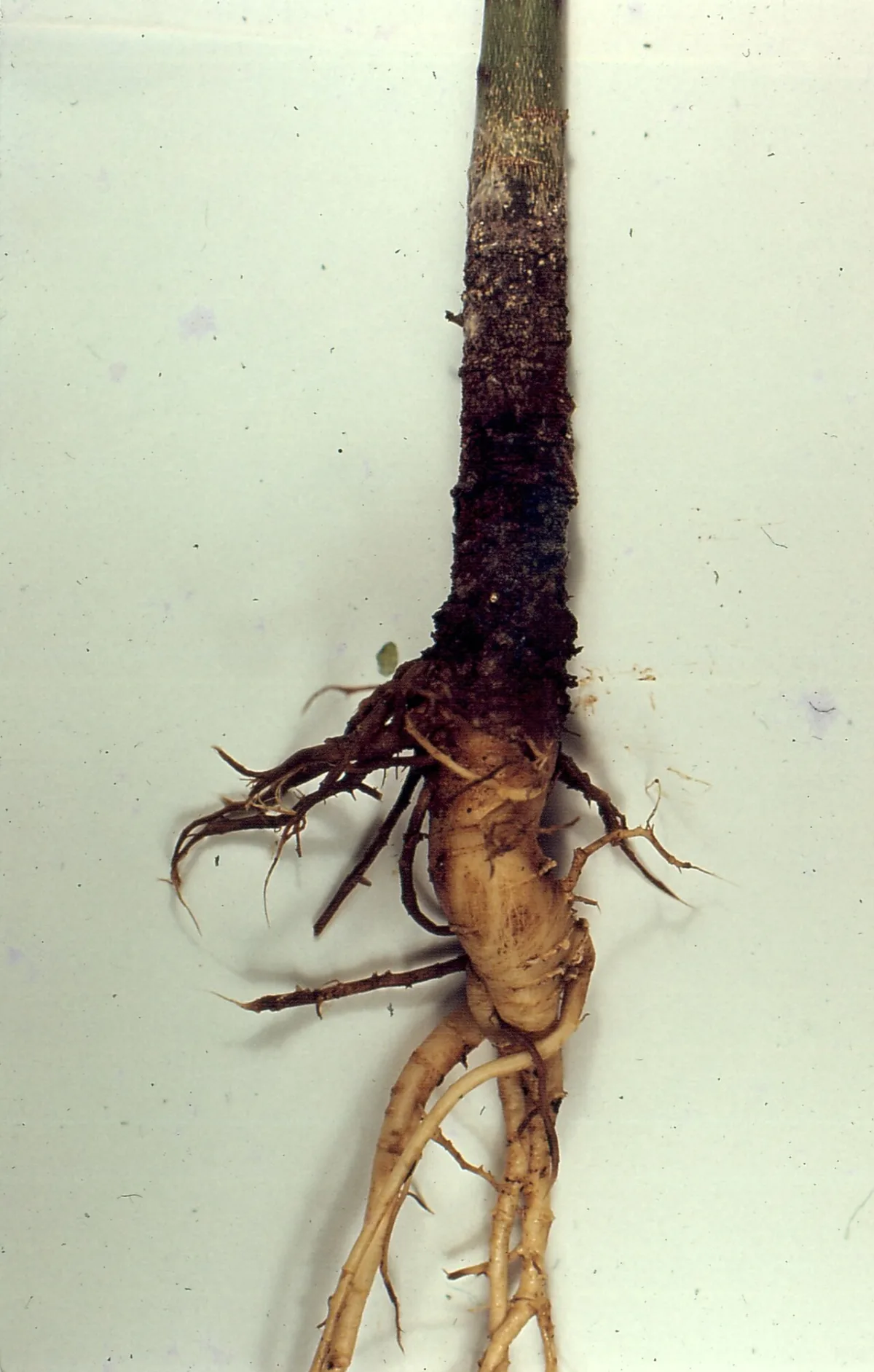
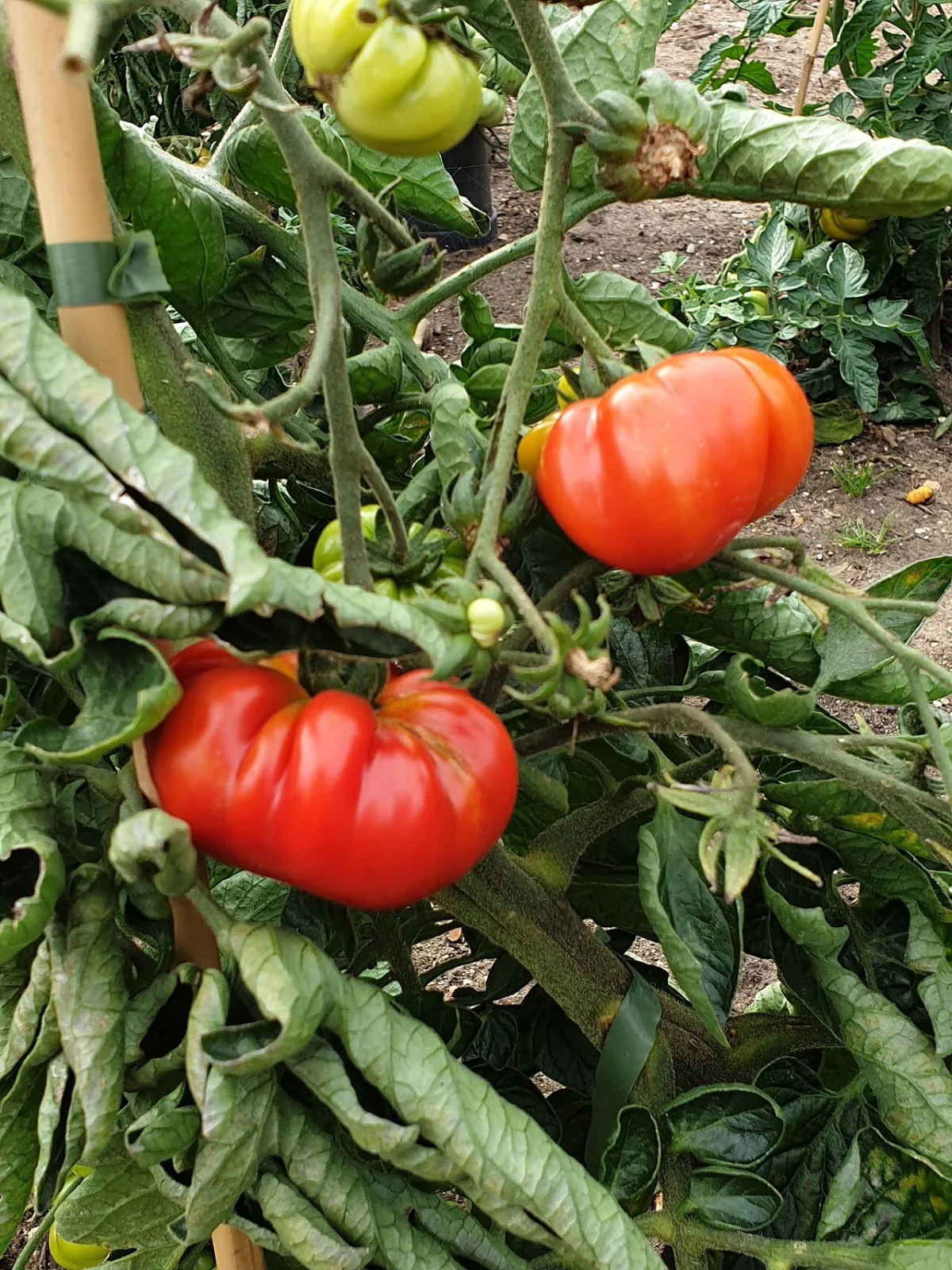
Soil disinfection is a fundamental stage of agrotechnical protection aimed at eliminating pathogens and pests capable of destroying a harvest at early stages of development. Proper preparation of soil is the key to a healthy root system and the prevention of the spread of infections, such as fusarium and root rots, which affect both vegetable crops, including tomatoes, and ornamental plants, for example, chrysanthemums and carnations. Understanding the mechanisms of disease development depending on external factors allows agronomists and amateur gardeners to apply preventive measures in a timely manner.
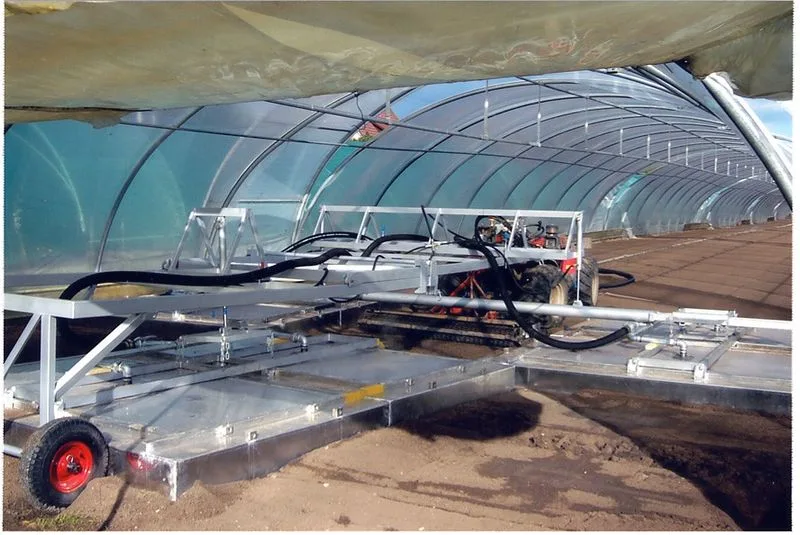
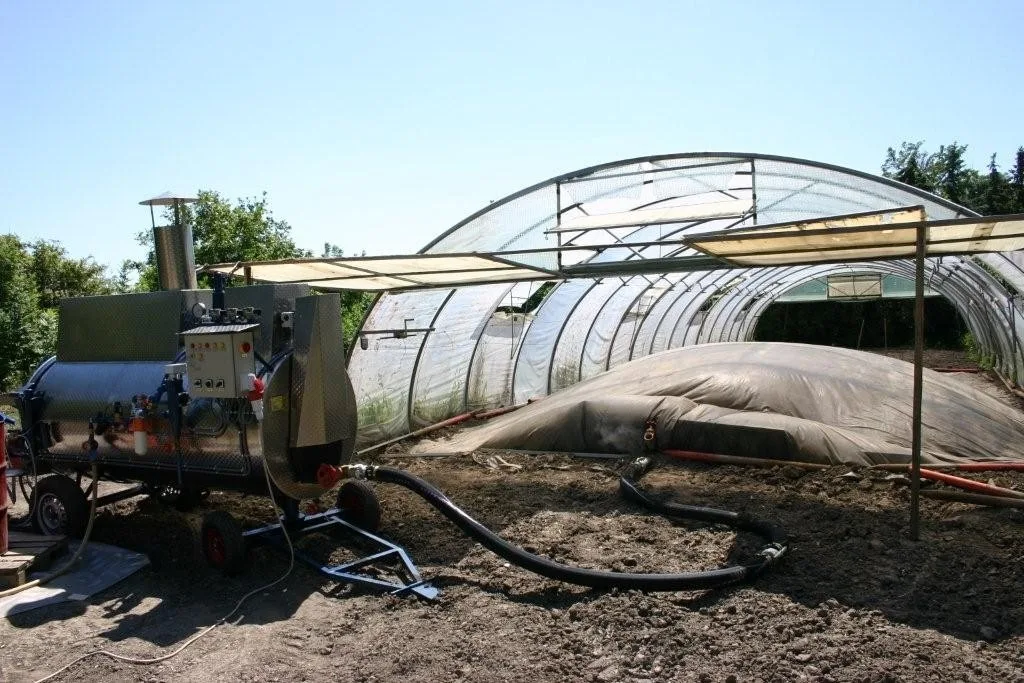
This collection gathers expert materials covering both the theoretical foundations of soil pathology and practical methods for combating them. Readers will find detailed instructions on thermal steaming of substrates using steam lines, requirements for safe chemical disinfection of greenhouses, and recommendations for the diagnosis of seedling diseases. The presented articles will help to systematize knowledge about modern technologies of soil treatment and the integration of these processes into the general system of growing greenhouse crops and flower seedlings.