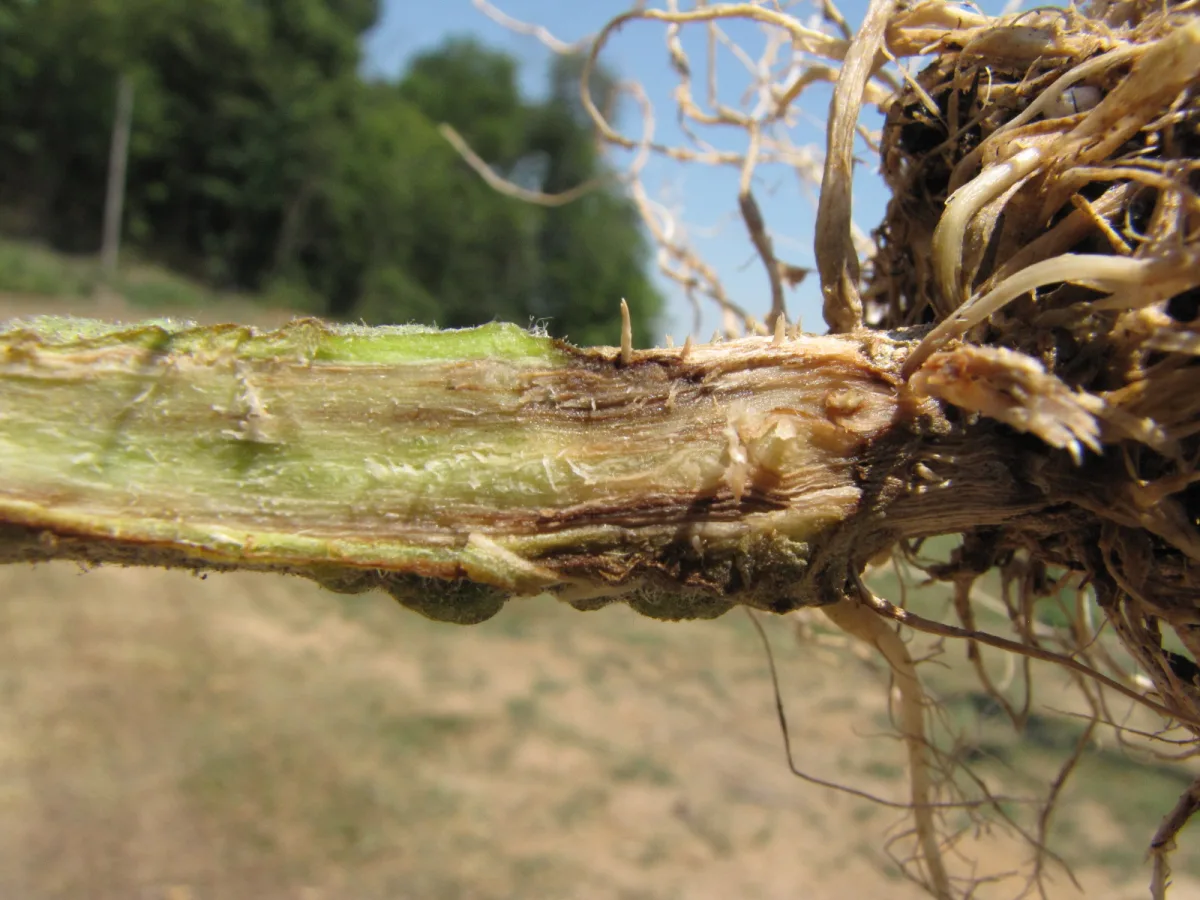
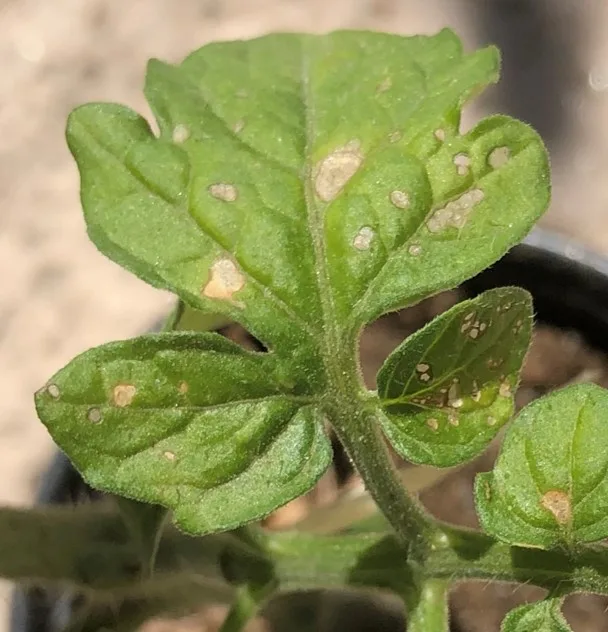
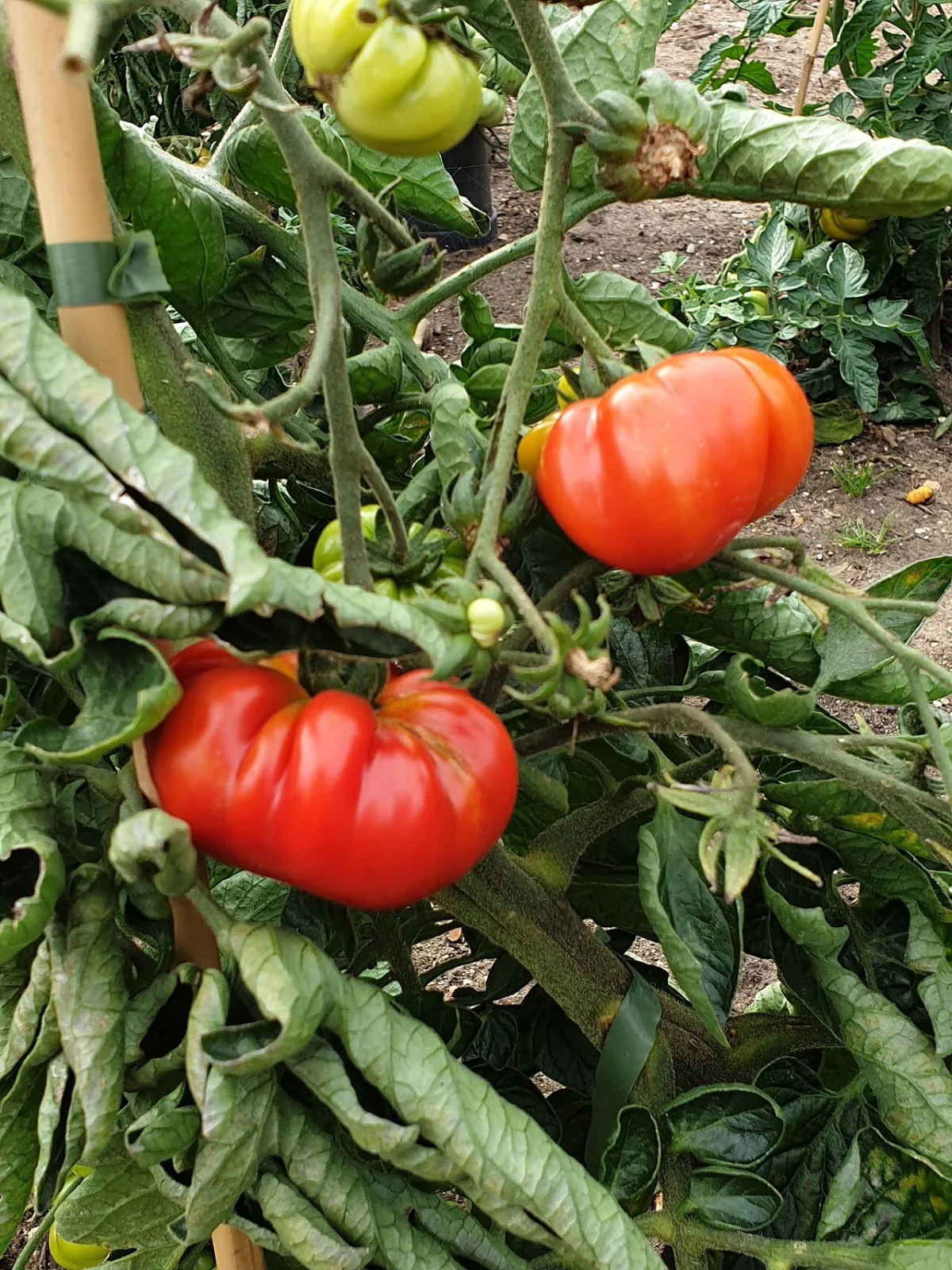
Accurate identification of damage symptoms is the foundation of agronomic diagnostics. External signs on leaves, stems, roots, and fruits serve as signals by which a specialist determines the nature of a pathogen, whether it is a viral infection, a fungal disease, or a nutrient deficiency. The ability to recognize the initial manifestations of a disease in a timely manner allows for differentiating the problem and selecting the correct plant protection strategy, preventing the spread of pathogens and harvest losses in both greenhouse and open soil.
This selection includes materials dedicated to the analysis of symptoms for the most common diseases of vegetable and ornamental crops, including tomatoes, cucumbers, roses, and potted plants. The articles systematize key signs of fungal infections, such as rots and fusarium wilt, as well as viral infections, specifically various types of mosaic. Readers will find information here on the peculiarities of pathogen development, transmission routes of infections, and diagnostic methods that will assist in daily monitoring of the condition of crops and plantings.