
The main diseases of tomato seedlings are damping-off and blackleg.
4 min read
Damping-off and blackleg are the most common and dangerous diseases of tomato seedlings. They can destroy seed while still in the soil or kill young transplants in a matter of days. For an agronomist, this means direct losses of planting material, so protective measures must be started long before sowing.
Typical damping-off is caused by Pythium and Phytophthora pathogens. Under their influence, swollen seed rot in the soil, and on the stems of already emerged plants, watery light-brown spots appear at the soil surface. Seedlings quickly fall over and die. The pathogens spread instantly in cold, waterlogged soil, especially if the sowing density is too high.
Blackleg is often caused by the fungus Rhizoctonia solani, which usually persists in peat and affects transplants in peat-based substrates. Unlike other pathogens, it prefers drier soils. The affected section of the stem at the root collar turns brown, looks withered, and has a clear boundary with healthy tissue.
- Minimum soil temperature — 18 °С
- Etridiazole — against Pythium and Phytophthora
- Quintozene — against Rhizoctonia
Once the first signs of damping-off appear, it is too late to use fungicides. The products will only be able to slow the spread of infection to neighboring plants, but they will not save the affected seedlings. Avoid over-watering the soil while growing transplants.
How to prevent seedling infection in a greenhouse
The main sources of infection are contaminated compost, seed trays, and pots. Compost with the addition of loam requires mandatory sterilization, and peat mixtures must not be mixed with non-disinfected soil. After thermal treatment, it is important to strictly monitor hygiene to prevent the re-introduction of pathogens into clean soil.
- Thoroughly clean seed trays and pots to remove old substrate residues.
- Disinfect racks during the general sanitation of the greenhouse structures.
- Keep water storage tanks tightly closed to prevent the entry of dust and plant debris, and clean the containers regularly.
- Chlorinate pond or rainwater before irrigation and let it settle.
Since it is impossible to treat diseased transplants, the primary method of control remains chemical soil disinfection before sowing. For this purpose, special products are applied to the compost. Etridiazole works effectively against Pythium and Phytophthora pathogens, while quintozene is used to suppress Rhizoctonia.
Read next
Plant protection For agronomists
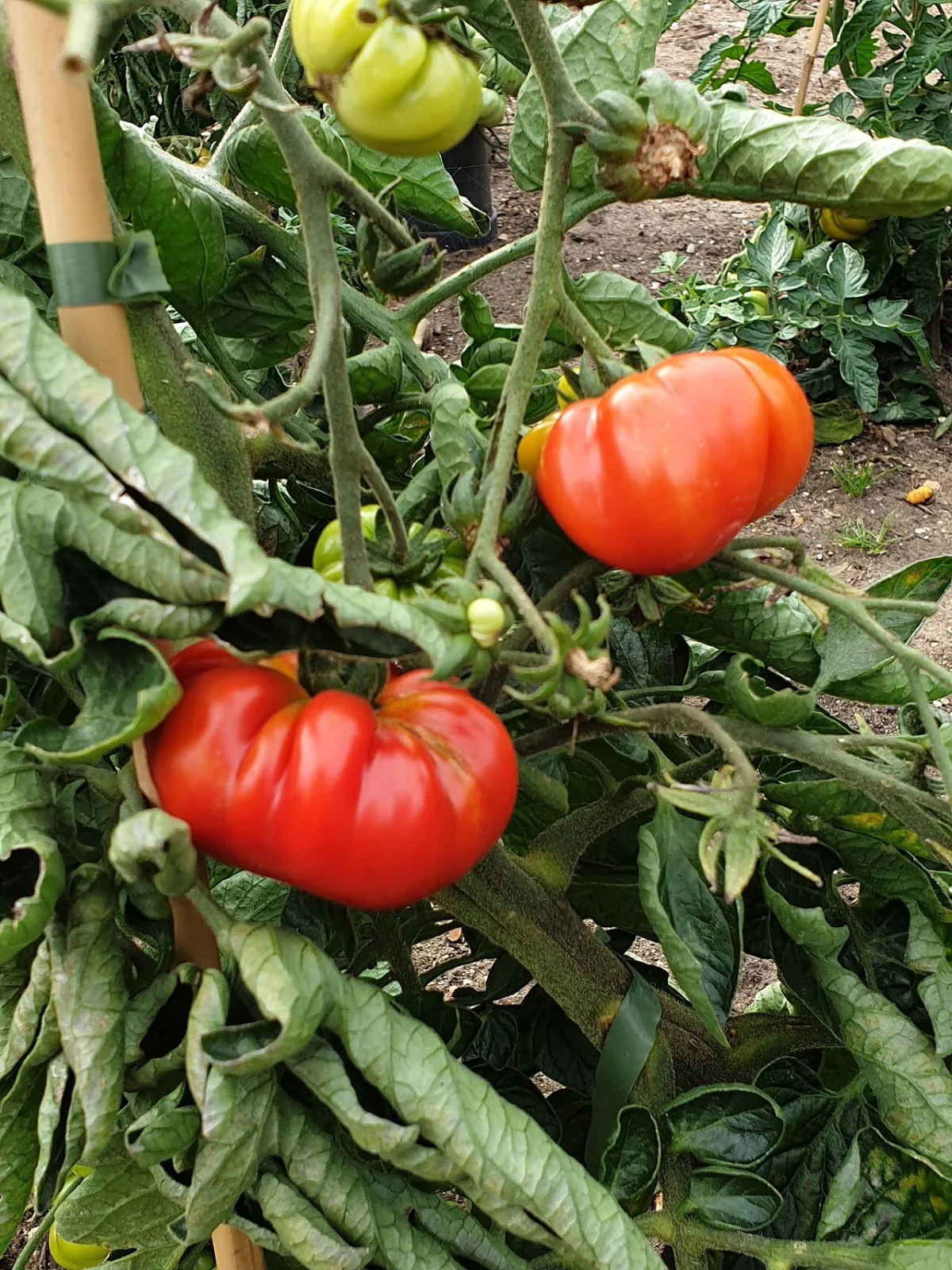
Diagnosis and prevention of root rots in tomato seedlings in greenhouses
Plant protection For agronomists
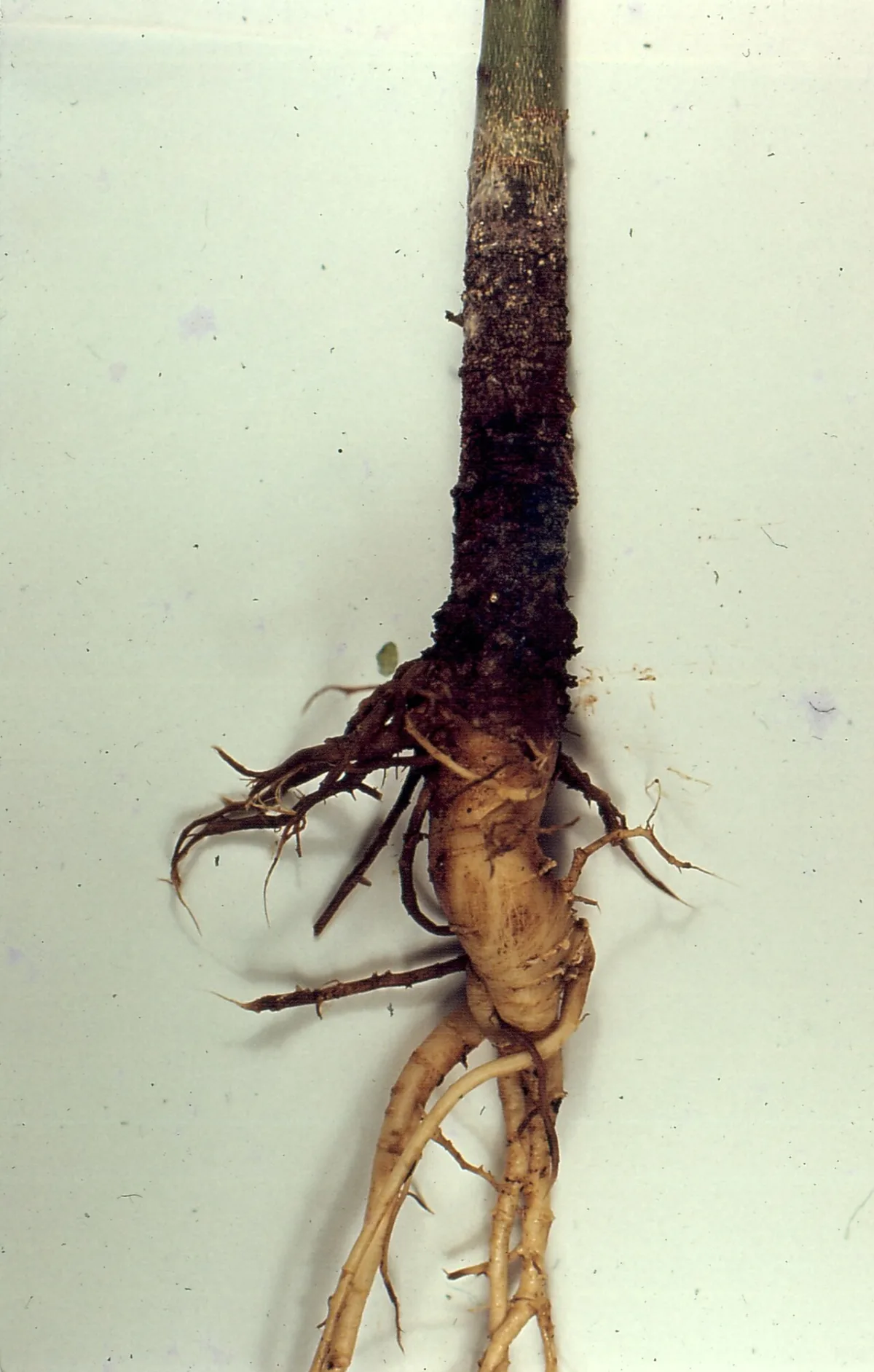
Diagnostics and control methods for root and stem rots of chrysanthemums
Plant protection For agronomists