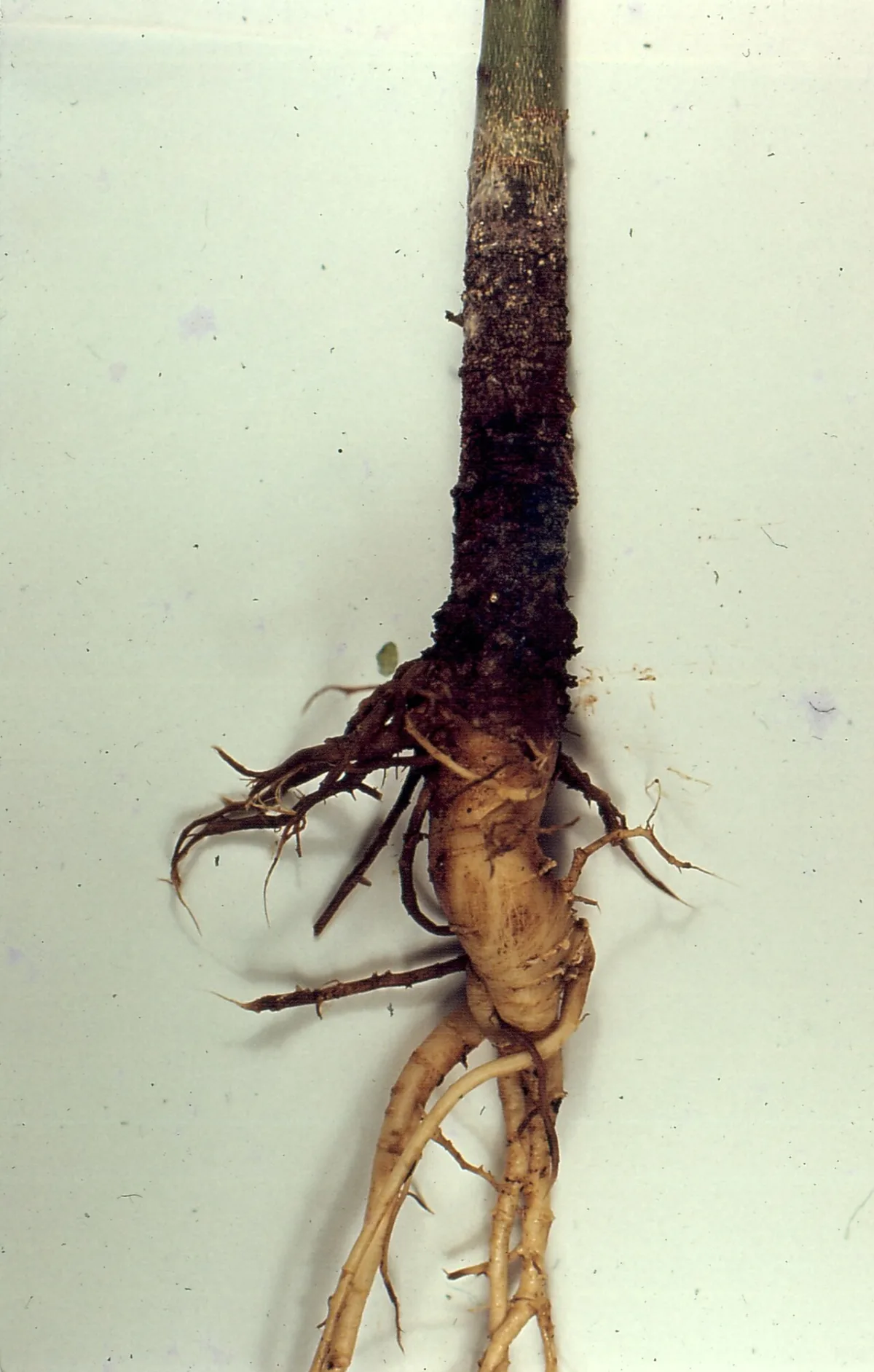
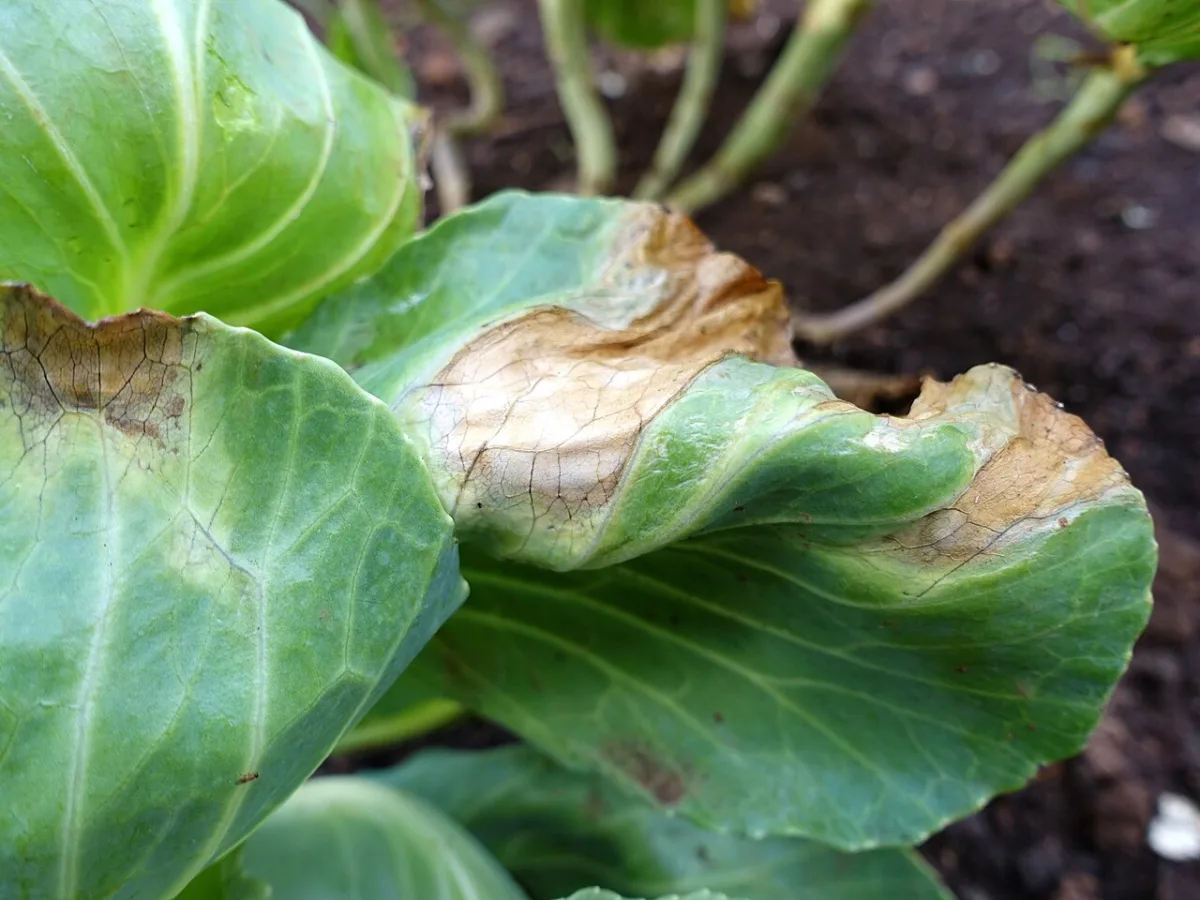
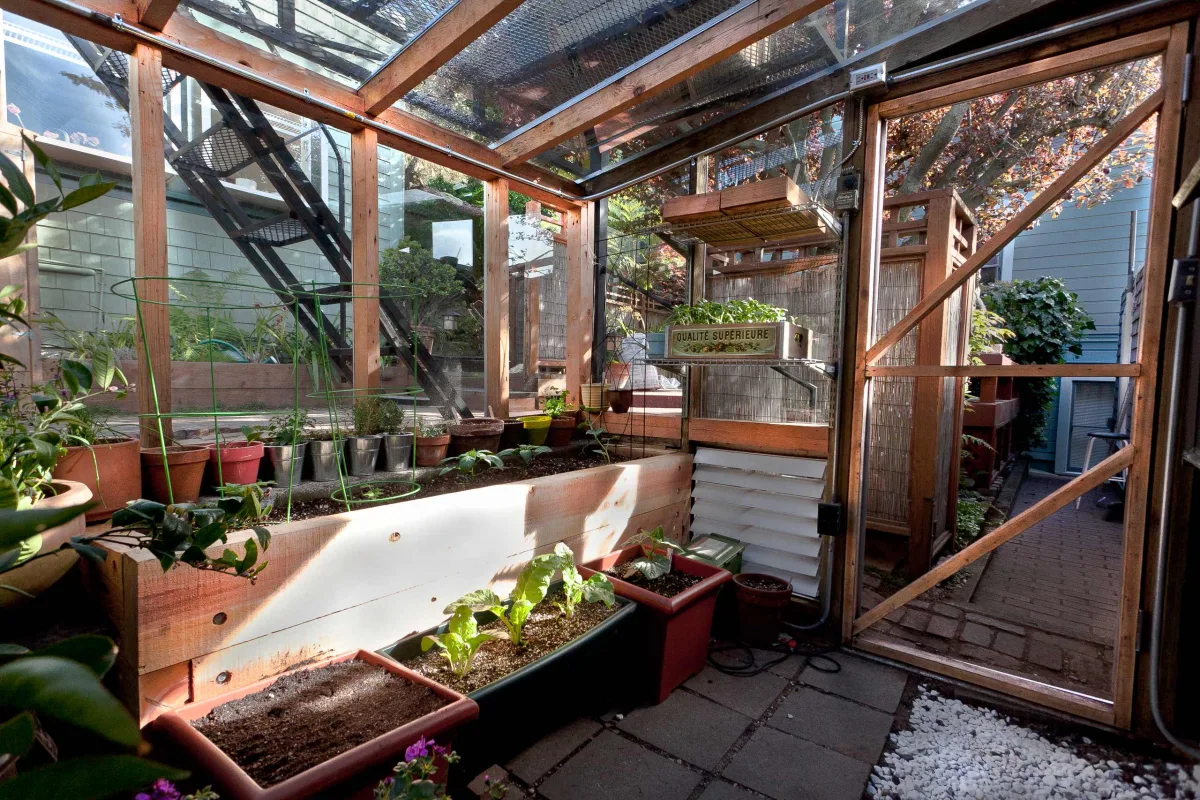
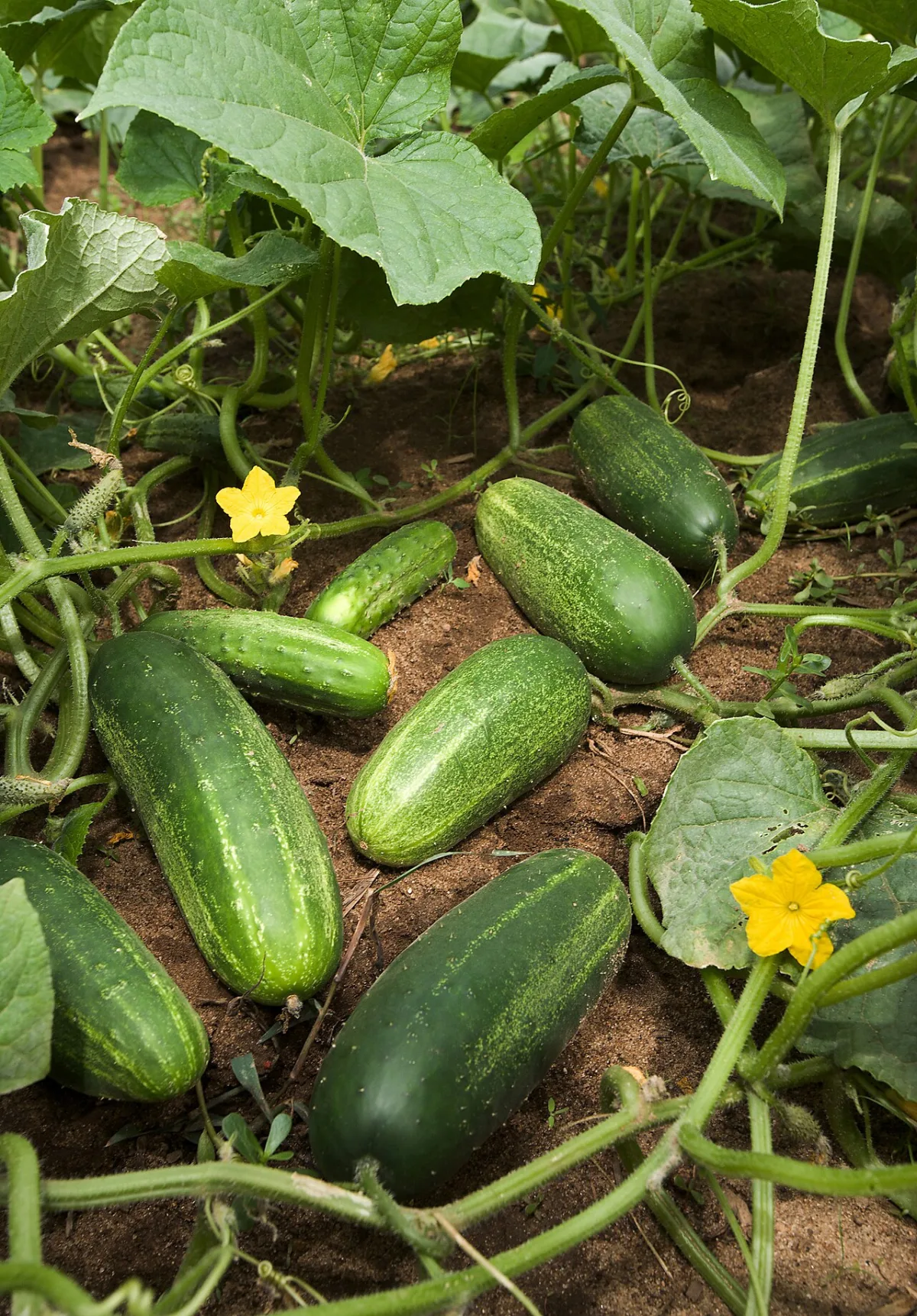
Relative humidity is a critical microclimate parameter that determines the success of crop production in both protected and open soil. The air saturation level directly affects the intensity of transpiration, the activity of pathogen development, and the preservation of the harvested crop. Deviations from optimal values contribute to the spread of fungal diseases, such as grey mold, fusarium wilt, and spur blight, and also activate the development of pests that damage the sowing qualities of seed and the marketability of vegetable crops.
This collection gathers materials that help agronomists and agricultural specialists to effectively build a plant protection strategy. The reader will find information on methods for regulating the microclimate in greenhouses as a non-chemical means of disease control, and will also learn about the specific features of technological regimes for the storage of grain, onions, and potatoes. The articles cover issues of diagnosing stem lesions in greenhouse crops, protecting flower plants from rot diseases, and practical recommendations for creating conditions that prevent the development of pathogens at all stages — from raising transplants to ensuring the long-term storage of finished products.