
Diagnosis of stem damage in greenhouse crops caused by pathogens and pests
5 min read
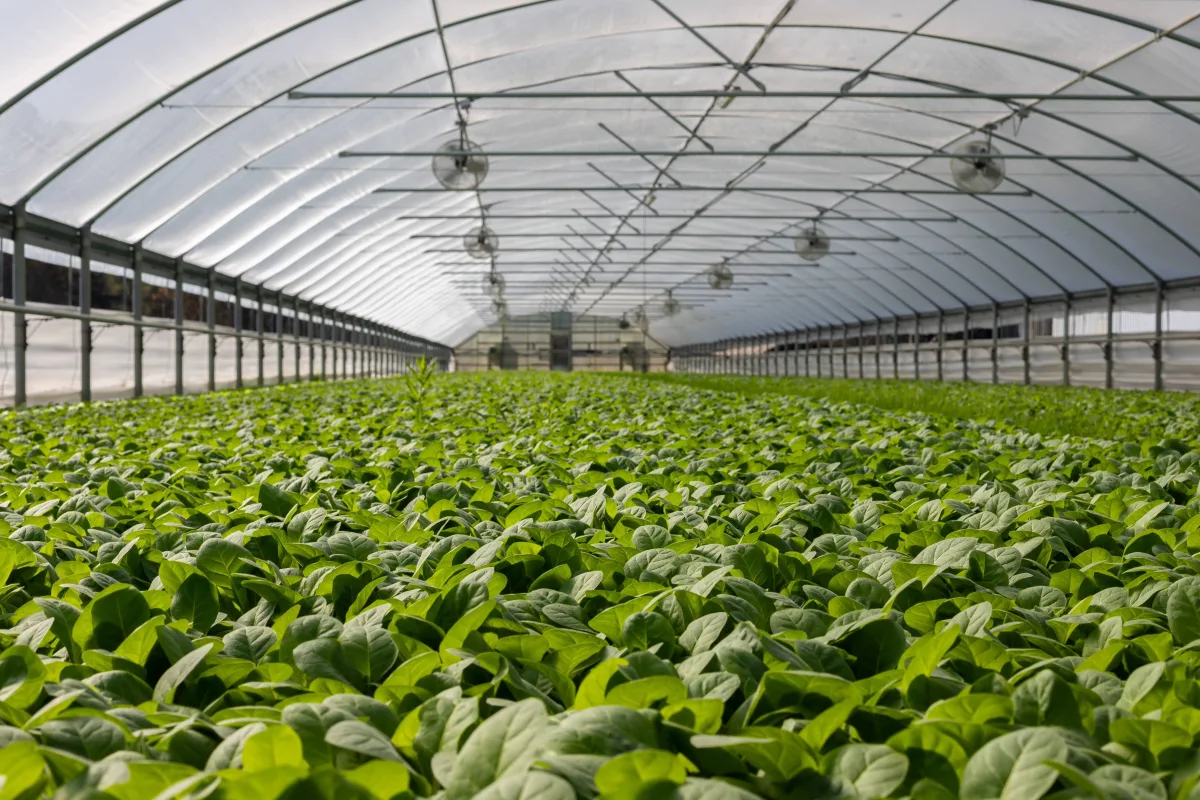
The primary function of the stem is to support the plant and transport nutrients and water. Symptoms of stem damage include ulcers, striping and streaking, galls, and deformations. The supporting function of stems for many greenhouse crops is irrelevant due to the trellising system, but even with mechanical support, plants wilt when stems are affected. This is, for example, a typical sign of damage by aggressive pathogens such as Botrytis cinerea on tomato. At the same time, Botrytis cinerea can cause multiple local lesions that do not penetrate deep into the stem, and the plant continues to grow normally. When the stem is damaged, its transport functions weaken, and wilting begins. Vascular pathogens have a similar effect by blocking the conducting tissues. Moreover, some of them secrete phytotoxins.
Stem deformations are not always caused by pathogens, although the leaf gall bacterium Corynebacterium fascians induces the proliferation of the growth point and the formation of dense growths, commonly referred to as leaf galls. This symptom can be detected on shelf and potted crops; the appearance of the affected plants usually changes, but overall growth is not impaired. Damage to the stem tip can lead to fasciation: the growth point gives rise to several shoots at once, which do not separate from each other and merge, forming one large flattened shoot. Fasciation is typical for greenhouse cucumbers, although its true cause has not yet been established.
Fig. 3.1. Disease symptoms: 1 — spotting of petals; 2 — petal deformation; 3 — fruit set rot; 4 — fruit spotting; 5 — fruit rot; 6 — fruit deformation; 7 — blossom-end rot of fruit; 8 — interveinal chlorosis or necrosis; 9 — marginal spotting; 10 — vein-associated necrosis (chlorosis); 11 — vein discoloration or deformation; 12 — yellows (oak-leaf pattern); 13 — spot with red or yellow halo; 14 — concentric spotting; 15 — numerous small spots or mosaic; 16 — mold or powdery mildew coating; 17 — shot-hole effect resulting from the loss of affected tissue; 18 — fern-leaf symptom (narrowing of leaf blades); 19 — tissue outgrowths on the leaf (enations); 20 — stem rot; 21 — gall in the leaf axil; 22 — leaf curling (epinasty); 23 — leaf wilting; 24 — stripes or streaks on the stem; 25 — large galls on the root collar; 26 — root collar rot (black leg, cancer); 27 — loss of normal root tropism; 28 — root cancer; 29 — root rot with root bark peeling; 30 — brown, black, or pink root rot; 31 — main root rot; 32 — large galls; 33 — small galls; 34 — strong, often dichotomous branching of rootlets.
For green plants, leaves and, to a lesser extent, stems are the main suppliers of carbohydrates. During the process of photosynthesis, CO₂ and water in the presence of light and chlorophyll are converted into carbohydrates with obligatory gas exchange through the leaf surface. Water is also released by the plant through the leaves — via stomata during the process of transpiration or through guttation via lenticels located along the edges of the leaf blades.
Diseases developing on photosynthesizing plant tissues or disrupting normal water exchange also affect the plant's growth. Symptoms can appear on the entire leaf blade or only on a part of it, and the impact on growth is sometimes directly proportional to the size of the affected leaf area.
The differences in the shape and color of the affected areas are very significant:
- chloroses and necroses of regular or irregular shape, confined by veins;
- spots surrounded by a red or yellow halo;
- shot-hole lesions (the shot-hole effect).
Signs of disease can develop in the apparent absence of a pathogen, when mycelium and spore-producing structures on leaves are almost or completely invisible (for example, in the case of downy mildew on roses). At the same time, very dense mycelium and sometimes spore-producing structures may form, which is typical for downy mildew on lettuce or gray mold on all greenhouse crops. In some cases, various fungal sporulating organs appear — pycnidia, pustules, sporodochia, etc., but the mycelium on the leaf surface is not visible (rust of carnation, black spot of rose).
Pathogens, physical and chemical damage, unwanted changes in the environment, and nutritional imbalances often affect the functional activity of chloroplasts, and the affected leaves turn pale; chlorosis develops on them, followed by necrosis, or severe chlorosis and necrosis accompanied by premature defoliation. Such symptoms are non-specific, although, taking their localization into account, they can to some extent be used when determining the cause of the damage.
Changes in the balance of phytohormones affect leaf development and lead to their deformation:
- when a tomato is infected with cucumber mosaic virus (CMV) or certain strains of tomato mosaic virus (ToMV), the leaf blade area decreases, and they become thread-like;
- leaf wrinkling on cucumber is a symptom of green mottle mosaic infection;
- on lettuce, wrinkling is an indicator of damage by low temperatures;
- outgrowth of leaf tissues with the formation of protrusions on the underside (so-called enations) appears when a tomato is infected with certain strains of ToMV.
For the normal development of greenhouse crops and harvest formation, it is critical to maintain a balance between water absorption by the roots and its evaporation through the leaves. Any disruption of this balance retards plant growth, and in extreme conditions, damages the leaf apparatus. Leaf diseases are dangerous precisely because they reduce the area of photosynthetic tissue while simultaneously disrupting the water regime.
Plant wilting is often attributed in practice to heat, low humidity, or root problems. However, this symptom can be caused by pathogens that sharply accelerate transpiration at the initial stages of the disease — for example, in the case of Fusarium wilt or infection with the tomato mosaic virus (ToMV). In these cases, leaves lose water much faster than the plant can absorb it.
Transpiration can be reduced and wilting prevented at the initial stages using simple agricultural practices. For this purpose, the Relative humidity of the air in the greenhouse is increased through plant shading and frequent irrigation.
How to recognize symptoms of water balance disruption
With excessively intense moisture release through hydathodes (water pores along the leaf margins), cells are irreversibly damaged, causing local marginal necrosis. Leaf tips suffer the most in this process. In some greenhouse crops, necrosis quickly covers the edge of the entire leaf blade:
- lettuce;
- tomato;
- cucumber.
The plant reacts quite differently to weak water release. In this case, the tissues around the stomata become oversaturated with moisture, causing glassiness to appear on the leaves. This problem is most often encountered when growing lettuce during the winter period.
To avoid irreversible changes in the affected tissues due to glassiness, it is necessary to act quickly. As soon as you detect the first signs of waterlogging, stimulate moisture release by the leaves by reducing the Relative humidity of the air in the greenhouse.
Read next
Plant protection For agronomists
Tomato mosaic virus: symptoms of the infection process and characteristics of the pathogen
Plant protection For agronomists
Localization of plant symptoms on leaves and organs
Plant protection For agronomists