
Diagnosis and prevention of rare viral diseases in greenhouse lettuce
3 min read
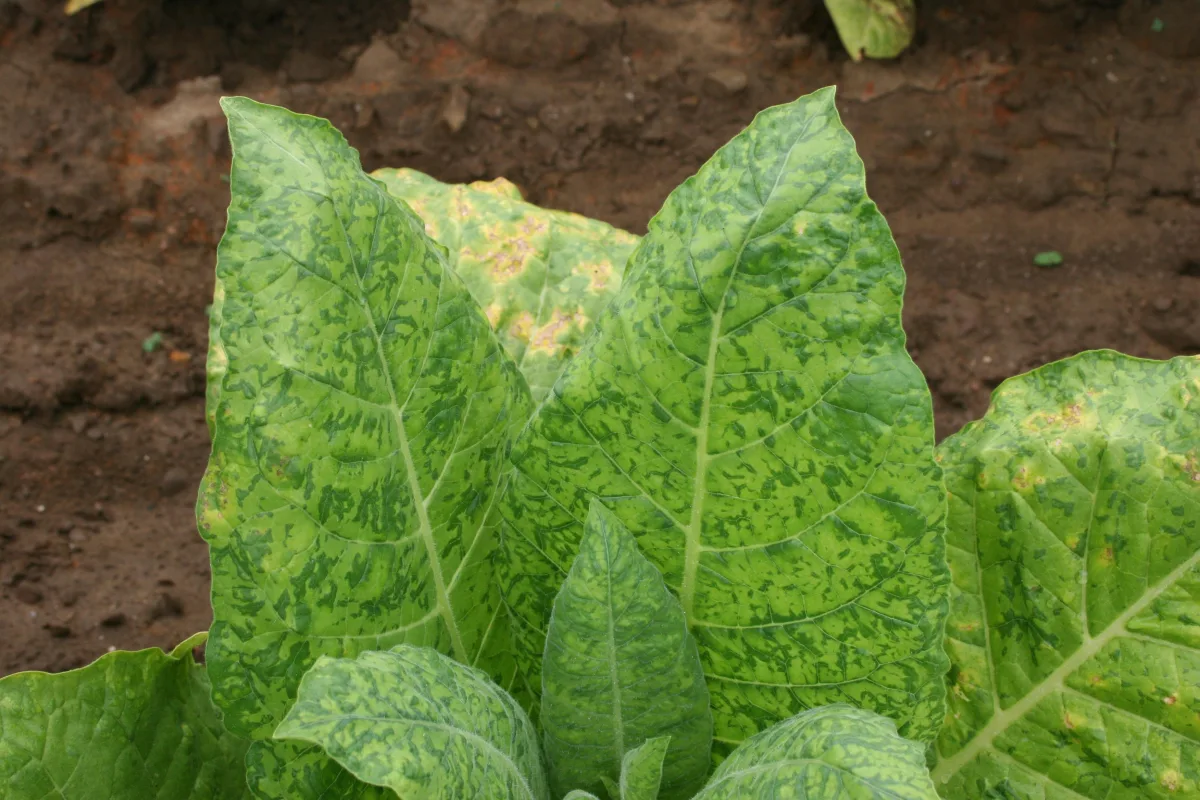
In greenhouse vegetable production, rare viral infections of lettuce usually do not cause large-scale epiphytotics, but they can locally impair the marketability of the crop and lead to the culling of plants. To protect the harvest, it is important for an agronomist to recognize symptoms in time and block the spread routes of vectors — aphids, thrips, nematodes, and soil-borne fungi. Timely diagnosis allows for adjusting the plant protection system and avoiding hidden losses of the harvest.
The primary control measure against most rare viruses is strict control of weeds around greenhouses and timely insecticidal treatments against sucking pests.
Dandelion yellow mosaic causes striking symptoms on weeds and periodically spreads to lettuce. The disease resembles damage caused by lettuce mosaic virus (LMV) but manifests more severely. Immediately after infection, subtle vein chlorosis or necrosis appears on the leaves, which later develops into necrotic etching and ring spots. Over time, these signs are masked by general necrosis of aging leaves. Young growth is stunted, thickens, and becomes covered with sparse, bright yellow spots.
The virus is vectored by potato and onion aphids. The disease is not transmitted via seed, and the main reservoir of the infection is the wild dandelion. To prevent infection, it is necessary to eliminate weeds and control aphids using methods similar to those for protecting against cucumber mosaic. For the aphid to enter a viruliferous state, a long period of feeding on an infected plant is required.
| Condition for aphid | Time |
|---|---|
| Feeding for accumulation of viral particles | More than 24 h |
| Retention of virus in the organism | About 1 hour |
Tomato spotted wilt virus on lettuce is rare in the UK, although it is widespread in other crops. On young leaves, the disease manifests as numerous pinpoint spots with a bronze tint, sometimes progressing to general necrosis. The lesion is usually localized on one side of the main vein, which causes the leaf blade to curl characteristically during growth. The virus is transmitted by thrips, so protection is based on monitoring and suppressing the population of this pest.
Lettuce necrotic yellows virus represents a serious economic threat in Australia and has also been recently recorded in the UK. Symptoms of the disease are similar to tomato spotted wilt, but affected plants differ in severe chlorosis. The virus vector is an aphid that primarily infests currant species and sow thistle.
Aster yellows is a mycoplasmal disease that affects a wide range of crops. Diseased plants are severely stunted, turn yellow, and are often unable to form a head. The pathogen is transmitted by leafhoppers; the disease is widespread in North America but has not been detected in the UK.
Other crops susceptible to aster yellows include:
- carrot;
- celery;
- parsnip;
- tomato.
Methods for controlling soil-borne pathogens and nematodes
Tobacco necrosis virus often colonizes the roots of lettuce and many other plant species but rarely penetrates the leaves. The presence of the virus in the root system usually does not cause visible symptoms on the aerial part. The pathogen is transmitted by a soil fungus (similar to the agent of lettuce big vein), so the key control method is soil disinfection.
Tomato black ring spot manifests depending on the lettuce cultivar: some carry the infection asymptomatically, while others develop slight leaf deformation and mosaic mottling. To protect the plantings, steaming the soil or application of nematicides is effective. These same measures help to contain other viruses transmitted through soil-borne pests.
Arabis mosaic virus causes growth retardation and chlorosis in lettuce. Outer leaves may turn completely yellow, or show pronounced chlorotic mottling and necrosis ranging from marginal streaking to large necrotic patches. The virus is transmitted by Xiphinema diversicaudatum and X. coxi nematodes. To control the infection, it is necessary to eliminate the nematode population in the soil.
Strawberry latent ringspot virus manifests as plant stunting and leaf mottling. The vector of this virus is the nematode X. diversicaudatum. Tobacco rattle virus also leads to stunted development, leaf deformation, necrosis, and prevents head formation. It is transmitted by Trichodorus sp. nematodes, against which tillage is effective.
Since tobacco necrosis, arabis mosaic, strawberry latent ringspot, and tobacco rattle viruses are transmitted by fungi and nematodes, conventional foliar treatments are ineffective against them — here, mandatory soil disinfection or application of nematicides is required.
Read next
Plant protection For agronomists
Viral diseases of roses in a greenhouse and methods for their control
Plant protection For agronomists
Diagnostics and prevention of diseases in tomatoes and eggplants
Plant protection For agronomists