
Viral diseases of carnation: symptoms and modes of infection transmission
5 min read
The purity of nursery plants is the foundation of profitability in carnation cultivation. The use of virus-free clones obtained via meristem culture and thermotherapy significantly increases the yield and quality of flowers. However, upon re-introduction of viruses into the greenhouse, yield and the marketability of cut flowers drop rapidly.
The use of sanitized nursery plants from specialized nurseries is the only reliable way to protect a plantation from viral degeneration at the start.
Viral infections of carnation: symptoms and transmission pathways
To prevent the re-infection of plants in the greenhouse, it is important to timely identify the signs of viral diseases and understand their modes of spread:
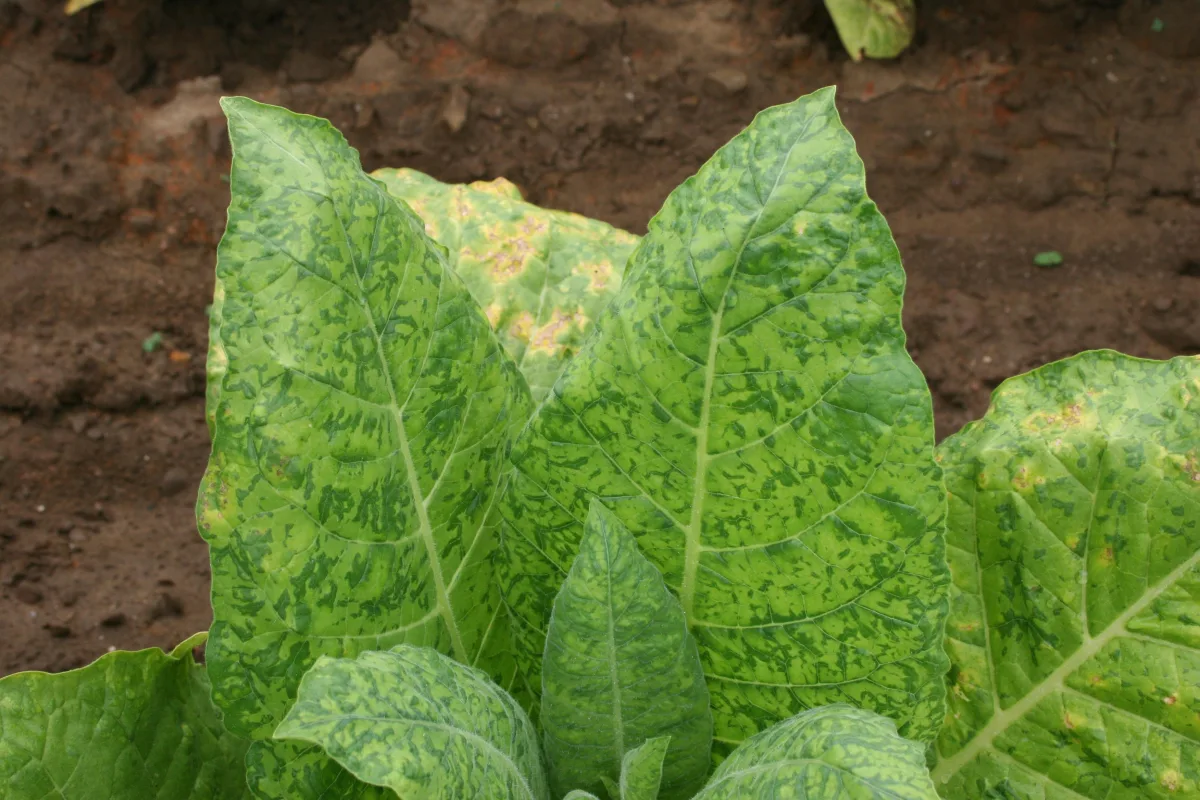
- Mottle. Manifests as mild spotting on young leaves, clearly visible against the light. Growth of infected plants is almost not stunted; minor dwarfing is occasionally noted. The virus is easily transmitted mechanically during crop care.
- Vein mottle. Causes green mottling of the calyx and discoloration of petals. The disease also affects sweet William. The infection is transmitted by aphids.
- Ring spot. Leads to the appearance of necrotic rings or spots on the leaves. The infection spreads very quickly during any operations in the greenhouse. Due to clearly distinguishable symptoms, infected specimens are easily removed during rogueing in stock plant nurseries.
- Etched ring. Causes necrotic spots on the leaves of cultivars in the Sun group and necrotic rings on flower-bearing shoots. On Joker-type cultivars, it can cause severe marginal leaf necrosis with purple edging, resembling non-pathogenic scorching or Alternaria leaf spot. Symptoms are more pronounced on middle leaves than on lower ones. The infection is spread during cutting propagation and by aphids, and significantly less often through routine care. During certain parts of the year, infected plants may remain symptomless.
- Carnation latent virus. By itself, it does not cause visible symptoms, but it sharply enhances the signs of damage from other viruses in case of complex infection. It is transmitted through plant sap and the peach aphid.
- Streak. Symptoms on leaves develop with simultaneous infection by the mottle virus (easily transmitted via sap) and the necrotic spot virus (transmitted by aphids).
- Italian ring spot. Manifests as chlorotic spots and oval circles, similar to mottle symptoms.
- Necrotic spot. Spots, specks, or streaks of gray-white or purple-red color form on affected leaves. The virus is transmitted by aphids.
Physiological disorders: the influence of genes and temperature
Some developmental defects in carnations resemble diseases externally, but are caused by hereditary factors or disturbances in the microclimate. One such disorder is grassiness, or the proliferation of lateral shoots, which has a genetic origin. In such plants, shoots are formed in almost every node; they overgrow healthy bushes but produce almost no flowers. Infected specimens do not recover and must be removed from the planting, as stock plants with signs of proliferation provide only unproductive cuttings.
The temperature regime in the greenhouse directly affects the quality of cut flowers. Carnations can withstand a short-term drop in temperature to 0 °C, but after several hours of cold exposure, rounded silvery spots appear on the underside of leaves and stems, completely covering the leaf blades. The flowers are also affected: on red and pink cultivars, white rings appear on the petals, and on white ones — red ones.
Sharp temperature fluctuations also lead to calyx splitting. If buds develop under conditions of prolonged cold for a few weeks before flowering, the calyx fails to develop properly and later splits under the pressure of growing petals. A similar defect is caused by a sharp warming immediately before the flower opens, and some cultivars are genetically more prone to this disorder.
Monitor the stability of the temperature regime. Both prolonged cold periods a few weeks before flowering and sharp temperature spikes immediately before bud opening pose a danger.
- Short-term cold tolerance limit — 0 °C
- Period of bud sensitivity to cold — 3–5 weeks
- Temperature drop causing calyx underdevelopment — 4–5 °C below normal
- Temperature rise causing calyx splitting — 10 °C above normal
Non-infectious carnation damage: how to distinguish toxicity and nutrient deficiency from diseases
Carnation is not very sensitive to growth regulator type herbicides, but it reacts to some selective preparations, in particular to sodium chlorate. If the concentration of this substance in the soil is below lethal, the plants acquire symptoms similar to bacterial vascular wilt. The lower leaves become chlorotic and slightly reddish, while the upper ones show systemic mottling or vein etching. Sometimes severe dwarfing develops, and cuttings from damaged stock plants die from general necrosis.
When collecting cuttings from mother plants exposed to herbicides, symptoms of toxicosis in young plants may be more pronounced, leading to general necrosis and the death of nursery plants.
Deformation of the shoot tip and curling of the apical bud with continued internode growth indicate a disruption in the differentiation of young leaves. Such damage is usually caused by adverse growing conditions: poor lighting or low nitrate content in the soil. The curling of the outer flower petals before or immediately after harvesting is also associated with external factors.
Causes of petal deformation:
- toxic effect of ultra-low ethylene concentrations;
- high content of soluble salts in the soil.
Symptoms of mineral deficiency in carnations appear rarely. The exception is boron starvation, which has specific and easily recognizable signs. With a boron deficiency, the apical bud of the shoot stops developing, lateral shoots become very thin, and the leaves acquire a characteristic purple color.
Boron starvation in carnations is easy to eliminate in a greenhouse or open soil by performing top dressing of the plants with sodium borate.
Read next
Plant protection For agronomists
Diagnosis and prevention of rare viral diseases in greenhouse lettuce
Plant protection For agronomists
Fusarium rot and gray mold of freesia flowers
Plant protection For agronomists