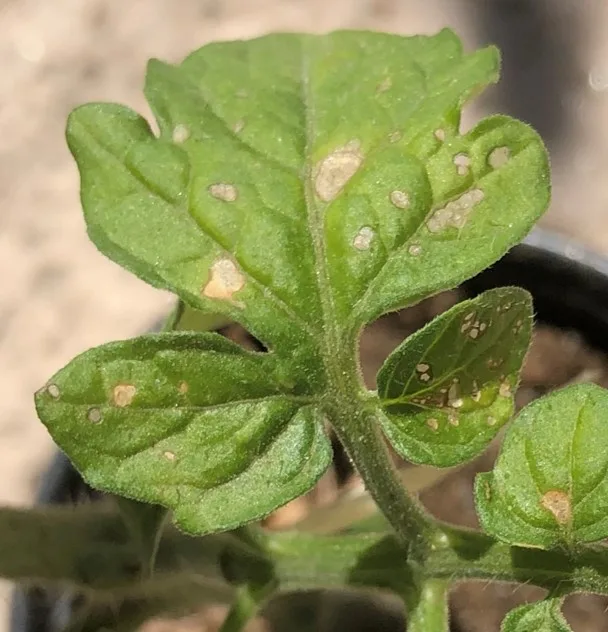
Tomato mosaic is one of the most dangerous viral diseases, which, if left unchecked, can lead to the loss of a quarter of the harvest. For agronomists and private farm owners, it is crucial to understand the mechanisms of infection and the development of infectious processes in order to timely contain primary outbreaks and prevent large-scale epiphytotics. Competent diagnosis of pathogens at early stages is the only way to minimize economic risks and preserve the productivity of plantings in protected soil.
In this collection, we have gathered expert materials dedicated to tomato phytopathology. Readers will learn about the biological characteristics of the mosaic virus, study the patterns of infection spread in agrocenoses, and learn to recognize key signs of stem damage, including necrosis and vascular pathologies. Special attention is paid to the link between the ripening phases of greenhouse crops and the intensity of disease development, which will help determine the most effective periods for carrying out plant protection measures. The presented information will allow for systematizing knowledge about disease control methods and optimizing plant care strategy.