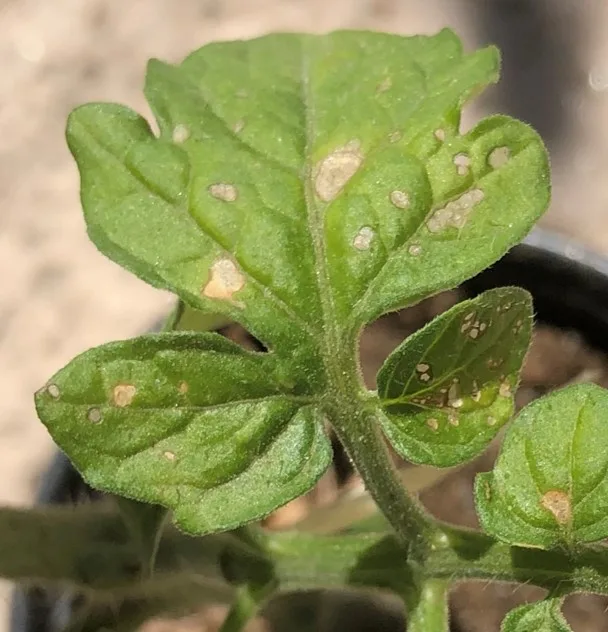
Viral diseases pose a serious threat to plant production, reducing crop yields and impairing the market quality of produce. Mosaic virus, affecting tomatoes and lettuce, as well as other pathogens, can cause significant economic damage to the agro-industrial sector. Understanding the biological characteristics of pathogens, the mechanisms of their transmission through soil, seed, and insects, as well as environmental factors contributing to the development of infections, is necessary for developing effective plant protection strategies.
This collection of materials covers a wide range of issues: from the specifics of viral and fungal diseases to methods of their diagnosis and control. Readers will find a detailed analysis of infectious process symptoms, including descriptions of such dangerous diseases as tomato streak, freesia fusarium wilt, and gray leaf spot of flowers. The articles also reveal the influence of the developmental phases of greenhouse crops on the intensity of pathogen infection, which allows agronomists and gardeners to determine periods when protective measures are economically justified. The materials will help to systematize knowledge about the classification of pathogens and methods of crop protection.