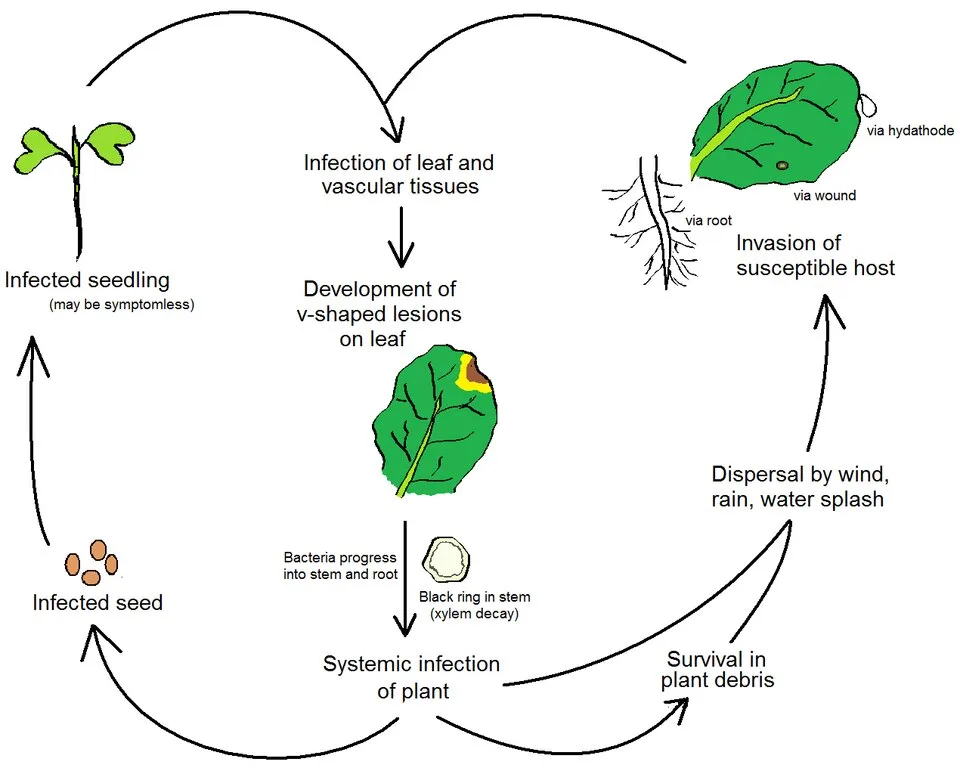
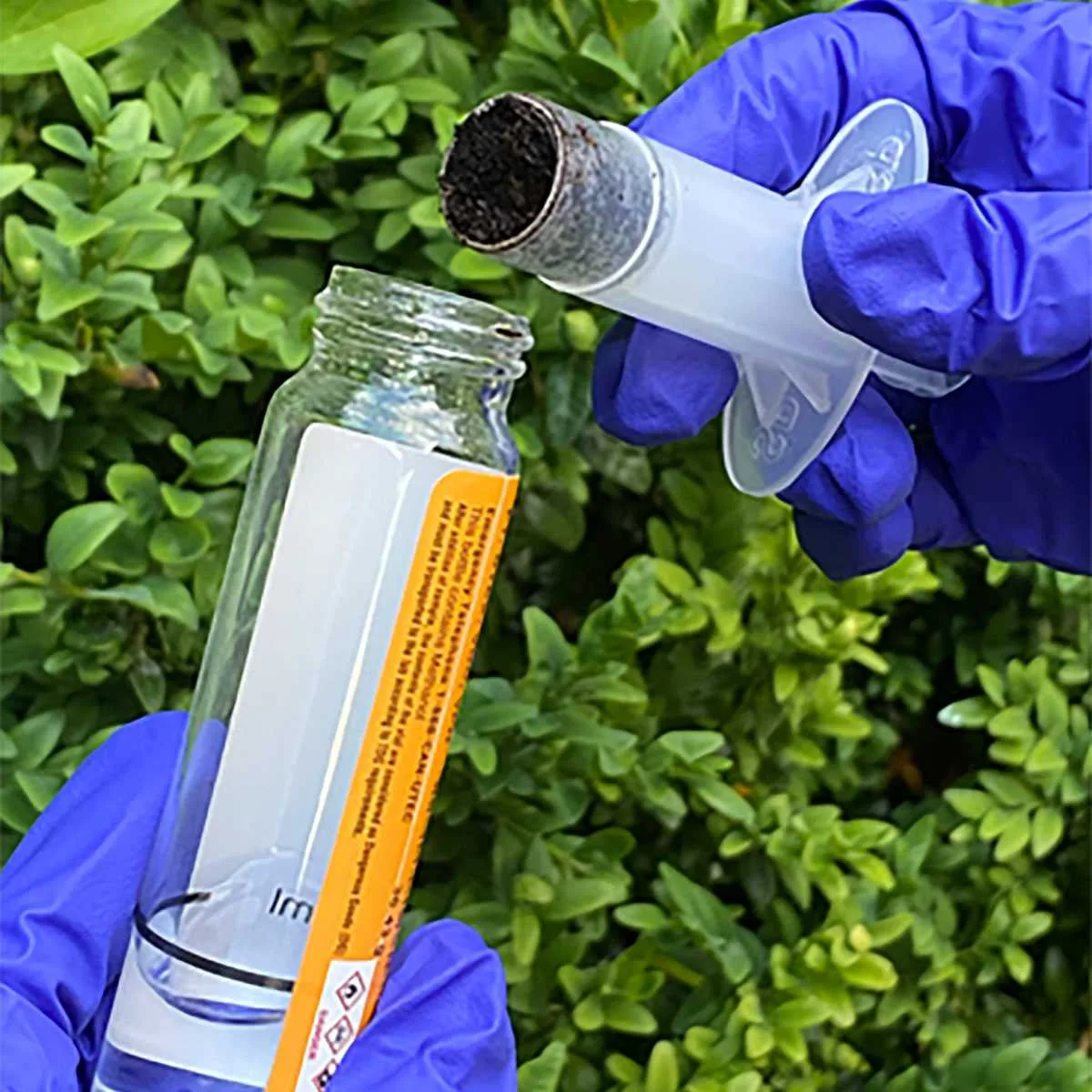
Bacteria are a key component of agroecosystems, performing both fundamental functions in maintaining soil fertility and acting as dangerous phytopathogens. Understanding their biological characteristics — nutritional mechanisms, enzymatic activity, and methods of reproduction — is essential for effective yield management. For an agronomist and a practicing gardener, it is critical to distinguish between beneficial microflora involved in nitrogen transformation and humus formation, and pathogens of bacterial diseases capable of causing significant damage to crops.
This collection gathers materials covering a wide spectrum of aspects: from the theoretical foundations of the living phase of the soil to practical methods of combating bacterial wilt in plants. The reader will find recommendations on the application of bacterial fertilizers and biological products for plant protection, as well as become familiar with the principles of biological control based on the natural antagonism of microorganisms. In addition, articles are presented that describe diagnostic methods for infections and the prospects for using bacteriophages, which will help build a systemic approach to plant protection and the preservation of land productivity.