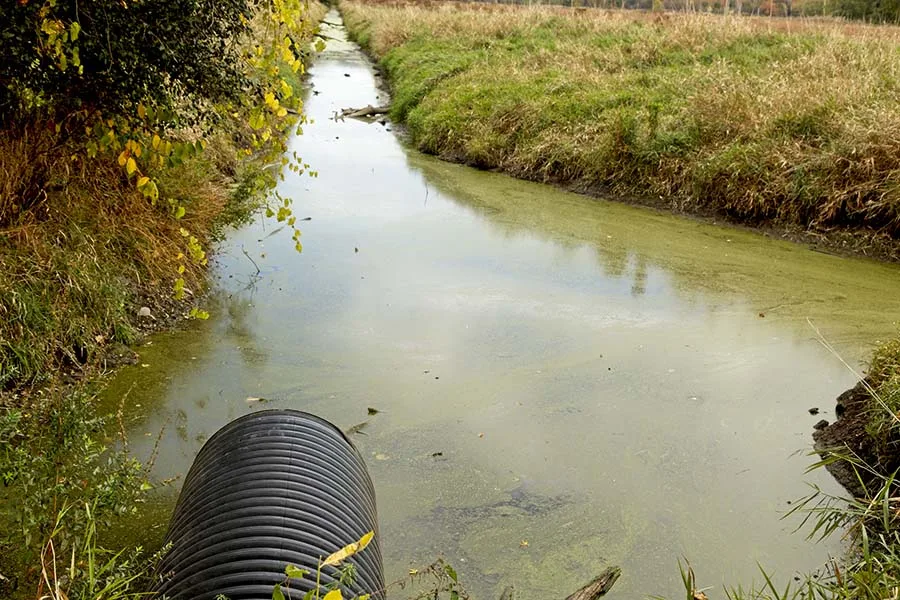
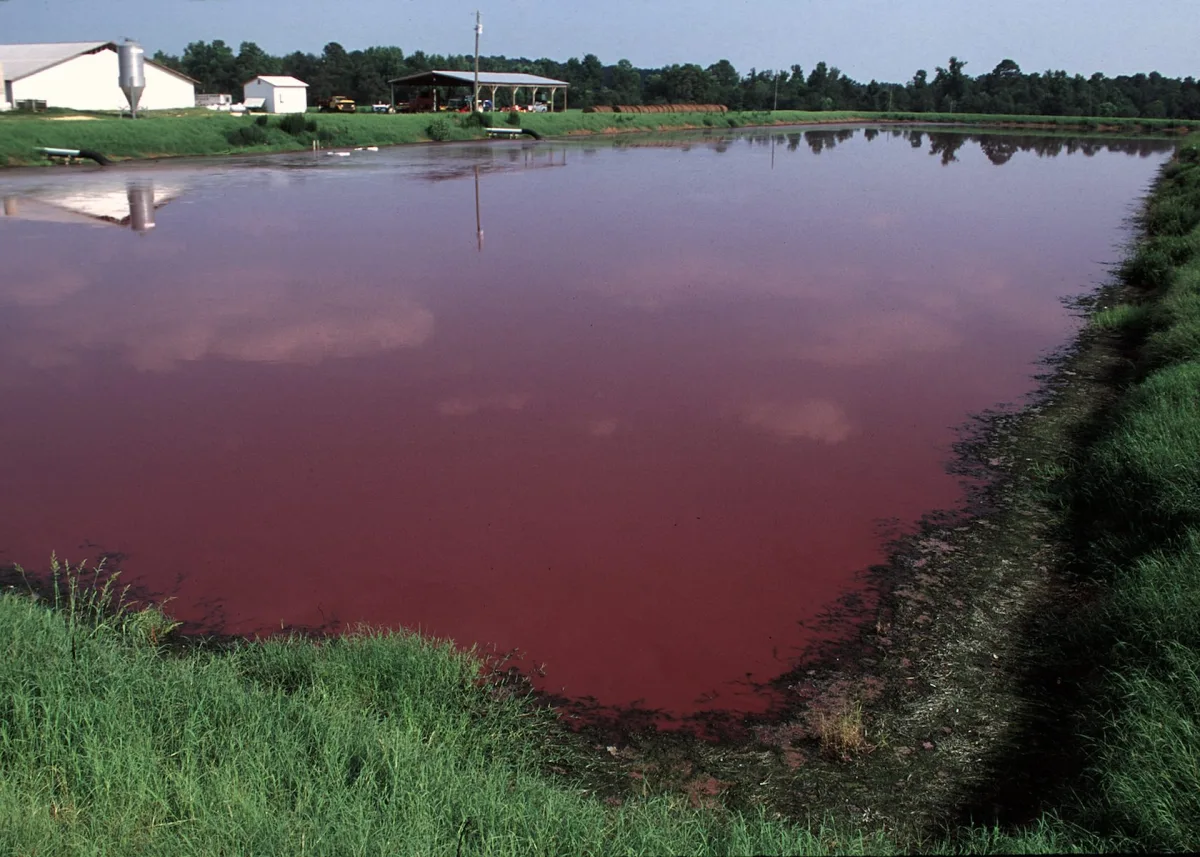
The question of using wastewater in agronomy requires a deep understanding of both the potential agrochemical value of these resources and the serious risks associated with environmental safety. Treated or prepared effluents can act as a source of nutrients for soil, yet their application must be strictly regulated by current quality standards. For agronomists and landowners, it is critically important to be aware of the impact of anthropogenic factors on water bodies to avoid contamination of agrocenoses and to prevent the spread of dangerous infectious diseases, such as anthrax.
This collection brings together the materials necessary to form a systemic view of water resource management in agriculture. The reader will become familiar with the classification and composition of wastewater, learn about the main sources of their contamination, and understand the principles of water quality standardization. Special attention is paid to the characteristics of pathogenic microorganisms, which helps in assessing risks when working with organic substrates. Studying the presented articles will allow specialists and practitioners to make informed decisions that ensure the protection of livestock animal health and the preservation of soil ecological well-being when using unconventional sources of fertilizer.