
Cucumber mosaic virus: symptoms, harmfulness, and pathogen biology
13 min read
Various stress factors increase the virulence of the disease. Thus, extremely high and low soil and air temperatures cause an increase in the number of diseased plants.
In recent years, a domestic vaccine preparation, VIROG-43, has appeared; treating transplants with it allows for successful control of the infection. Common mosaic of cucumber
Pathogen — Cucumis virus 1 (CMV), cucumber mosaic virus.
Harmfulness. The virus can infect over 700 plant species, including tomato, pepper, lettuce, parsley, dill, cabbage, bean, lily, chrysanthemum, tobacco, fruit, berry, citrus crops, and grapes. It occurs almost everywhere. It can cause a reduction in the cucumber fruit harvest by up to 50%.
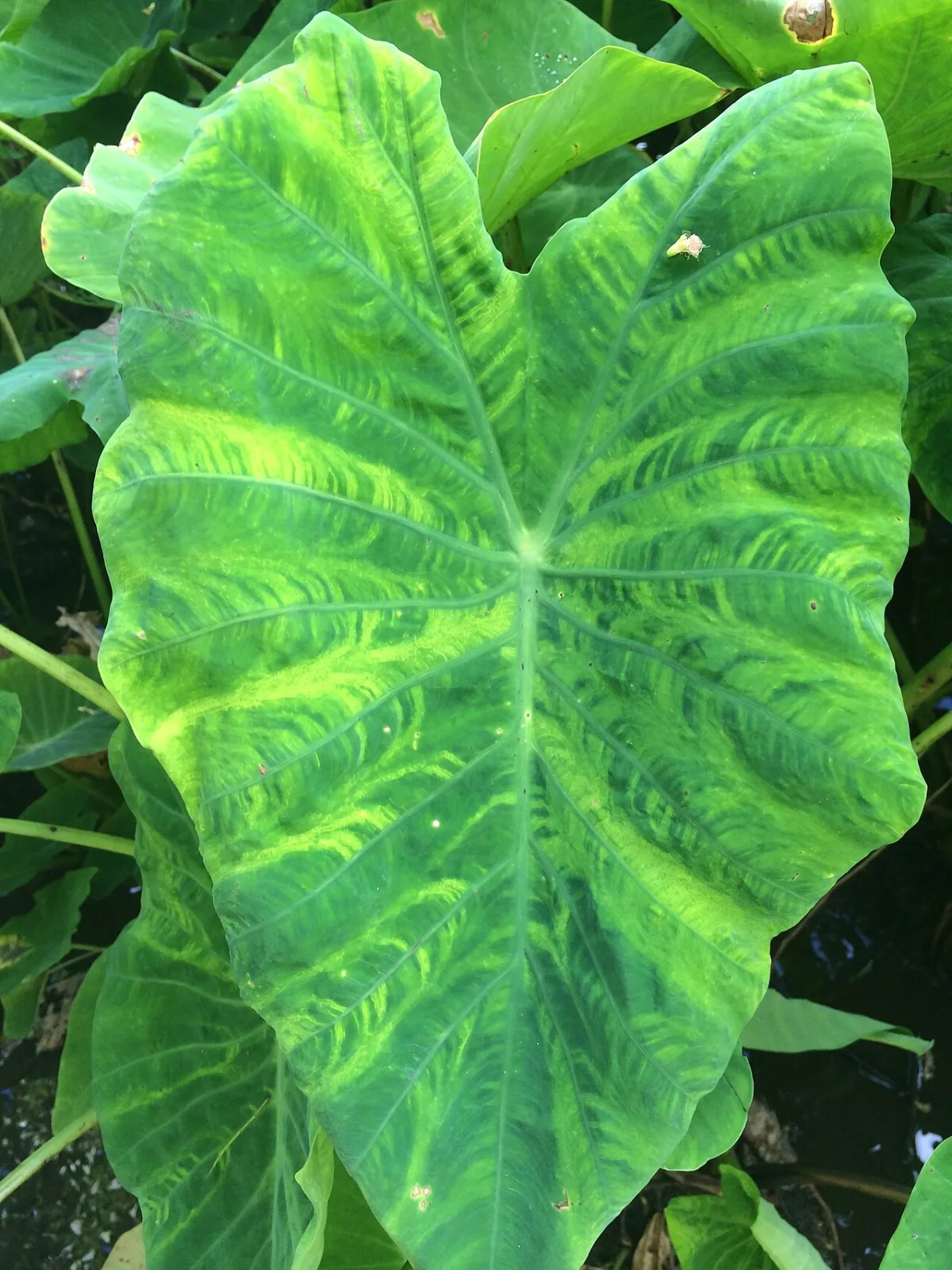
Symptoms. The first signs of the disease appear on seedlings in the form of mosaic patterns, zonal chlorosis, twisting, and wrinkling of young leaves. As the infection develops, the leaves shrivel and their edges curl downward; they acquire a mosaic coloration consisting of alternating shapeless light green and dark green areas, which less frequently appear as clear, translucent, rounded spots. Plant growth slows down, internodes shorten, the number of flowers and leaf surface area decrease, and the bases of stems often crack. ет 4 1 = а Fig. 73. YOUNG LEAF WITH SYMPTOMS OF INFECTION WITH COMMON CUCUMBER MOSAIC. +“ 4 в (Г: 9 “ К КА т. 3и ь ое \ ^^ я ' > и у КЗА/) № и (9 м. в “1 «<
At low air temperatures, the fruits of diseased plant vines also acquire a variegated, mosaic coloration and often shrivel and become deformed. Dark green areas alternate with yellow ones. Under unfavorable environmental conditions (for example, during a sharp cold snap), diseased plants wilt, flowers dry out, and the stem becomes glassy. Varietal differences in resistance to this disease have been noted.
Pathogen biology. Virions are spherical in shape with a diameter of 30 nm and belong to the cucumovirus group. They are inactivated at 60–70° for 10 minutes. Incubation period depends on weather and the plant's growth stage. For example, in August its duration is 7-10 days, while in June-July it is 5 days.
Spread and persistence. The virus mainly enters the greenhouse from the open field via vectors or weeds. The pathogen is non-persistently transmitted by 70 species of aphids, including the cotton aphid, potato aphid, and glasshouse aphid. The virus is unstable in plant sap, and it is inactivated during the composting of plant residues over two months (Willemson, Agur, 1999). True seed transmission has been reliably established only for pumpkin. The virus persists during the winter period in the roots of perennial host plants (sow thistle, bindweed, chickweed, orache, etc.).
Protection measures. To prevent the introduction of infected weed or plant seeds into the greenhouse, only composted or sterilized substrates are used. Weeds are destroyed as potential pathogen reservoirs throughout the season and especially during the off-season. Cucurbits, which can be a source of the virus for the autumn cucumber crop, should not be grown in the area around the greenhouse. Seeds are disinfected before sowing (for example, with a solution of potassium permanganate or trisodium phosphate) to destroy surface infection. Aphid vectors are constantly controlled, which is especially important in seed crops and during the second growing season.
To reduce the costs of disease control, it is most advantageous to use CMV-resistant cultivars, for example, hybrids E, Taiga, and Hercules. It was established that this resistance is controlled by a dominant gene, Cmu, the introduction of which into the plant genotype allows for the production of resistant forms.
Pathogen — Tobacco necrosis virus (TNV); according to other data, the pathogen is Cucumis necrosis virus, cucumber necrosis virus.
Harmfulness. The virus has a wide range of host plants among representatives of more than 40 families. It affects vegetable, industrial, fruit, berry, ornamental, and flowering crops. It causes cucumber harvest losses in the amount of 20-50% due to premature plant death, depending on planting dates (Willemson, Agur, 1999).
Symptoms initially appear on leaves as small brown-colored necrotic spots and stripes, which are often located along the leaf veins. Frequently, necrotic spots cover almost the entire leaf, which subsequently dies off.
Numerous small, light, sunken spots with a dark green border form on the fruits. The fruits become smaller and deformed.
The clearest symptoms develop during periods of insufficient light. The aerial part of the plant is not always affected, only under certain conditions.
Pathogen biology. Virions are isometric in shape, 26 nm in diameter. The pathogen does not lose its infectivity in plant sap at room temperature for about two months and is extremely heat-resistant, being inactivated at a temperature of 85-90° (Willemson, Agur, 1999). Several different strains of the virus with varying pathogenicity are known.
In the soil, the virus is transmitted by zoospores of the fungus Olpidium brassicae, and as a result, it is usually localized in the roots of the cucumber. However, under certain conditions that have not been fully clarified, the virus moves into the above-ground organs, where it causes necrosis.
Spread and survival. There is evidence of its transmission via plant sap, in which it can persist at room temperature for about two months. Transmission via seed has not been observed. The pathogen accumulates in the soil substrate for several years and remains infectious on contaminated equipment, greenhouse structures, and dried plant residues.
Preventive measures: 1. Removal of individual diseased plants.
Grafting of cucumber onto Cucurbita ficifolia seedlings, which is more resistant to CGMMV.
If soil steaming has not been carried out, then replanting cucumber can only be done after one year. After tomato, cucumber can be planted without soil steaming.
Discoloration of cucumber fruits, or pale fruit disorder
Harmfulness. It sporadically causes damage to some cucumber cultivars, predominantly long-fruited parthenocarpic ones. Harvest losses due to an increase in non-standard fruits do not exceed 5 %.
Symptoms. Formation of fruits with yellow or white spots, although the fruits themselves are not deformed, spotting, associated with the uneven breakdown of chlorophyll, usually appears in greenhouses at the beginning of a sharp increase in air temperature with the onset of summer. Yellowing of fruits can occur not only on plants but also in storage of the finished product.
Host plants: thistle, groundsel, and some cucurbits and solanaceous crops.
There are no protection measures, but for disease prevention, it is desirable to maintain the required temperature regime in the greenhouse in May-June, as adapted plants practically do not get sick. 2.1.1.3. General measures for protecting cucumber from viral diseases To prevent and avoid significant losses from viral diseases, the following complex of measures should be observed, which includes:
Cultivation of slightly susceptible or resistant cultivars and hybrids. Preventive vaccination of transplants against CGMMV. Removal of diseased plants that appear one month after cucumber planting. Destruction of insect vectors of infection.
Weeding in vegetable crop plantings and in areas located next to them.
Spatial isolation of vegetable plants from reservoirs of infection. 4. Collecting seed only from healthy mother plants. For sowing, use seed after a two-year or longer storage period; in them, viruses usually lose their infectivity. If seed of two-year or longer storage is not available, it can be disinfected from the virus by heating.
Thermal disinfection of dry seed (humidity no more than 16-18 %) in an incubator on shelves covered with gauze. The layer of seed must not exceed 1 cm. The seed is heated first at a temperature of 50-52° for two days, and then at 78-80° for one day. For control, it is recommended to first heat 50-100 seeds and then germinate them. If their emergence decreases, the main batch of seed should be additionally dried at a temperature of 30-40° and then heated again at 52 and 80°. Well-dried seed can be subjected to thermal treatment after four months of storage. In heated seed, germination energy usually decreases due to moisture loss; therefore, before sowing, they should be soaked for 12-24 hours in water and then germinated at a temperature of 25-28° in a moist environment.
Shelving, doors, handles of greenhouses, and trellis wire should be thoroughly treated with a 5 % aqueous solution of potassium permanganate, and equipment (hoses, crates, shovels, etc.) should be soaked for 10-15 minutes in a disinfectant solution. Equipment can also be disinfected with hot steam.
For tying plants, use only new twine. Used lab coats and light workwear should be washed by boiling in water.
Sharp temperature changes should be avoided, as some viral diseases are activated at extreme soil and air temperature values; therefore, maintain the temperature in the greenhouse at 18-28°. Perform irrigation with warm water having a temperature of no less than 20°.
During hydroponic cucumber cultivation, the substrate is disinfected using special disinfectant solutions or a 1 % potassium permanganate solution.
Bacterial wilt of cucurbits
Pathogen — Erwinia tracheiphila (Smith) Bergey, Harrison, Breed, Hammer and Huntoon.
Status. The disease has not yet been registered in Russia, which is due to the absence of vectors (beetles of the genus Acalymma). The pathogen is classified as potentially dangerous, as the appearance of vectors is expected in the southern regions in the coming years.
Harmfulness. Wilting of plants is accompanied by darkening and drying of leaves, but the stems remain green. On a cross-section of the stems, a grayish-white slime oozes from the vessels filled with bacteria.
Symptoms. Primary signs of the disease appear on the leaves as darkening of individual areas. The leaves begin to wilt gradually, lose turgor, hang down on the petiole, and dry out. Plant wilting is initially observed only during the daytime, while at night turgor is restored. Stems remain green, but on cross-sections, one can see viscous slime in the vessels, which can also ooze through ruptures in the stem as a grayish exudate. A mass of bacteria is found in the fluid. From the vessels, the bacteria enter the parenchyma, destroy the cells, and as a result, cavities filled with slime are formed. Wet rot never occurs; the affected tissue dries out, and the plant soon dies.
Pathogen biology. Gram-negative non-spore-forming rods, 0.5–0.7 x 1.2–2.5 µm in size. Flagella are peritrichous. Facultative anaerobes. On meat-peptone agar (MPA), colonies are small, round, smooth, shiny, and white with a reticulate structure.
The pathogen affects the vascular system of plants of the Cucurbitaceae family, causing them to wilt. The pathogen does not penetrate plants through stomata, but only through root damage caused by beetles.
Control measures. Growing cultivars with a monogenic dominant resistance gene to this pathogen, which is designated by the symbol Bm. Destruction of vectors of the pathogen. Possibly, the antibiotic phytolavin-300 can be used for plant protection. 2.1.2.2. Angular leaf spot
The pathogen is Pseudomonas syringae pv. lachrymans (Smith & Bryan) Young et al.
The harmfulness is very high. Damage to the aboveground mass leads to stunted plant growth and impairs assimilation, resulting in a decrease in fruit formation intensity. Affected fruits lose their marketability. If the disease appears at the cotyledon stage, diseased plants may not flower or produce a low yield. Small light-brown spots appear, and later a large part of their surface is affected. Severely affected seedlings perish. Sometimes, the death of sprouts is observed immediately after their emergence from the seed coat.
In the growing season, bacteriosis manifests more often on the lower leaves, where angular dark-gray or brown spots are formed, which become oily under high humidity in the greenhouse. On the underside of the leaves, an exudate appears — sticky droplets of cloudy yellowish liquid. This is an accumulation of bacteria and their metabolic products, which, when washed off by water during irrigation, land on healthy plants.
At low humidity in greenhouses, the droplets dry up and turn into a film. The damaged tissue dries out and gradually crumbles, and soon the leaf dies off.
Small, shallow round ulcers appear on the fruits. Affected fruits become deformed and lose their marketability. In humid conditions, a cloudy liquid oozes from the ulcers.
Spread. Cucumber bacteriosis is widespread, especially in plastic greenhouses. In the growing season, the spread of the pathogen occurs:
- by air currents in greenhouses;
- with water during irrigation;
- by the hands of workers during plant training.
The disease develops most severely in the presence of droplet moisture and at a temperature of 19–24°C. The incubation period of the disease at a temperature of 25–27°C is 5–10 days.
Pathogen biology. The pathogen belongs to Gram-negative non-spore-forming bacteria, rod-shaped with rounded ends, 0.8 x 1.0–2.0 µm in size. Bacteria can form capsules, which ensures their increased survival in adverse conditions. On MPA, colonies are round, smooth, shiny, slightly convex, and later granular with an opalescent center and a thin, translucent edge. Old cultures fluoresce.
Bacteria penetrate plants through stomata and small wounds, causing local necrosis. Bacteria do not spread through the vascular system; it is a highly specialized pathogen.
Source of primary infection. Seeds harvested from infected seed plants are the main source of primary infection. Bacteria persist on the surface of the seeds or penetrate under their coat, where they remain viable for more than 20 months. The bacteriosis pathogen can also overwinter on plant debris; it does not persist in the soil.
Seedlings grown from infected seeds contract bacteriosis. Weak plants with a small number of flowers develop from them. Such plants produce few fruits, and they are of low quality. From the cotyledon leaves, the disease spreads to the true leaves, where it develops not diffusely, but in the form of punctate necroses, which is associated with the physical transfer of bacteria or particles of diseased cotyledons to healthy leaves.
Plant resistance to pathogens. Bacteriosis most severely affects cucumber, melon, and pumpkin. Watermelon is slightly affected, and zucchini is not affected at all.
Cucumber cultivars relatively resistant to bacteriosis include: Donskoy 175, Urozhayny 86, Voronezhsky 12, Dalnevostochny 6, Dalnevostochny 12.
Preventive measures:
- Collect seed only from disease-free fruit.
- Destruction of all post-harvest residues. After the end of the growing season and harvesting the last fruit, sterilize the soil or perform deep ploughing with complete turnover of the soil layer.
- Maintain an optimal temperature of 25-27° in cultivation facilities on sunny days and prevent prolonged moisture droplet retention on plants. In case of severe disease development, increase the temperature, and ventilate greenhouses and hotbeds to lower humidity to 65-70%.
Disinfection of frames and other parts of greenhouses with bactericidal solutions, whitewashing of support surfaces and walls with lime.
Seed treatment before sowing with 80% TMTD (4-8 g per 1 kg of seed) or Phytolavin-300.
Upon the appearance of the disease, plants are sprayed with a 0.5-0.7% solution of Bordeaux mixture, which can inhibit disease development. Treating plants with microdoses of copper sulfate reduces the number of plants affected by bacteriosis by approximately half. 2.1.3. Mycoses
Under greenhouse conditions, the cucumber is affected by pathogenic fungi that parasitize only members of the Cucurbitaceae family: Colletotrichum lagenarium (causes anthracnose), Corynespora melonis (leaf blight or stem black mold). However, there are also diseases whose pathogens can affect plants of very different families. For example, the cucumber white rot pathogen Sclerotinia sclerotiorum affects plants from twenty-two families. Rhizoctonia solani is also a widely specialized parasite.
Root rot of seedlings
Pathogens are Rhizoctonia solani, Rhizoctonia solani (sic); Rhizoctonia solani, Pythium debaryanum, etc., capable of affecting weakened plants.
Sometimes complex combinations of pathogens of various natures, consisting of viruses, fungi, and bacteria, form in greenhouse soils.
Root rot of cucumber seedlings in greenhouse conditions is a dangerous disease that can deprive a greenhouse operation of a significant portion of the harvest. The disease is widespread and affects plants at the very early stages of the growing season. The main reason for an infection outbreak is the use of unprepared soil mixtures.
The disease generally manifests in non-steamed and non-sterilized substrates. Using untreated soil creates a direct threat to seedlings.
- Loss of seedlings before emergence — up to 25–47%
- Death of the plant after wilting — within 24 hours
Symptoms of infection and pathogen diagnostics
The disease can destroy a plant even before it germinates. If infection occurs at an early stage, seedlings emerge weak and develop very slowly. In this case, a significant portion of seedlings dies in the soil without ever reaching the surface.
In emerged seedlings, the development of the disease progresses rapidly. Symptoms follow one another in the following sequence:
- The roots and root collar of the seedling turn brown.
- The stem thins out in the near-ground part.
- Cotyledons and young leaves wilt rapidly.
- The plant dies.
When infected at later stages of development, the cucumber reacts differently. The plant wilts, its root rots, and the epidermis of the root and root collar macerates (softens). Because of this, the damaged plant is easy to pull out of the ground. Abundant white or brown mycelium often develops on diseased specimens as well.
The type of damage to the root system indicates the specific pathogen of the disease. This helps to more accurately determine the cause of the problem in the greenhouse.
Visual signs of infection depending on the pathogen:
- Pythium and Fusarium — a characteristic brown spot appears in the root collar zone.
- Rhizoctonia — the root becomes shredded, but above the affected area, the plant manages to form adventitious roots.
- Southern blight pathogen (Phytophthora cryptogea) — causes blackening of the root collar, formation of a stem constriction, and wet rot.
Read next
Plant protection For agronomists
Viral diseases of crops and their pathogens
Plant protection For agronomists
Diagnostics and prevention of viral diseases of sweet pepper in a greenhouse
Plant protection For agronomists