
Diagnostics and prevention of viral diseases of sweet pepper in a greenhouse
3 min read
EGGPLANT FRUIT Cause. Uneven irrigation during hot weather. Certain cultivars and hybrids are prone to cracking, while others are resistant, and their fruits do not crack even with significant violations of the irrigation regime. 2.4. Pepper
Pepper has only recently been widely cultivated in greenhouses. Interest in this crop has increased due to the appearance of hybrids that have uniform, thick-walled fruits of a cubical or prismatic shape. The fruits can be of several colors: red, green, yellow, orange, purple, white, and crimson.
Pepper is sensitive to soil and air temperature. If the temperature regime is violated, fruit set decreases and various physiological disorders develop. Greenhouse crops are usually trained into 2-3 stems, which are tied to a trellis with twine.
Almost everywhere, peppers are affected by many diseases caused by fungi, bacteria, viruses, and phytoplasmas. According to most researchers, viral diseases are the most harmful yet the least studied in peppers (Panno et al., 1989, etc.).
Currently, about 20 viruses are known to occur under natural conditions on plants of the genus Capsicum, and more than 40 viruses are capable of infecting various types of peppers through artificial inoculation (Nourrisseau, 1986).
Viroses Economically significant viral pathogens are considered to be Tobacco mosaic virus, Cucumber mosaic virus, Potato virus Y, Potato virus X, and Tobacco etch virus. In Russia, Tobacco mosaic virus and Cucumber mosaic virus are the most common. 2.4.1.1. Mosaic Pathogen — Tobacco mosaic virus (TMV). Harmfulness. The most common and harmful pathogen on peppers is TMV, which is capable of causing epiphytotics. The high harmfulness of the virus is explained by its exceptional infectivity and viability. Harvest losses average about 30%, but in epiphytotic years they reach 90%.
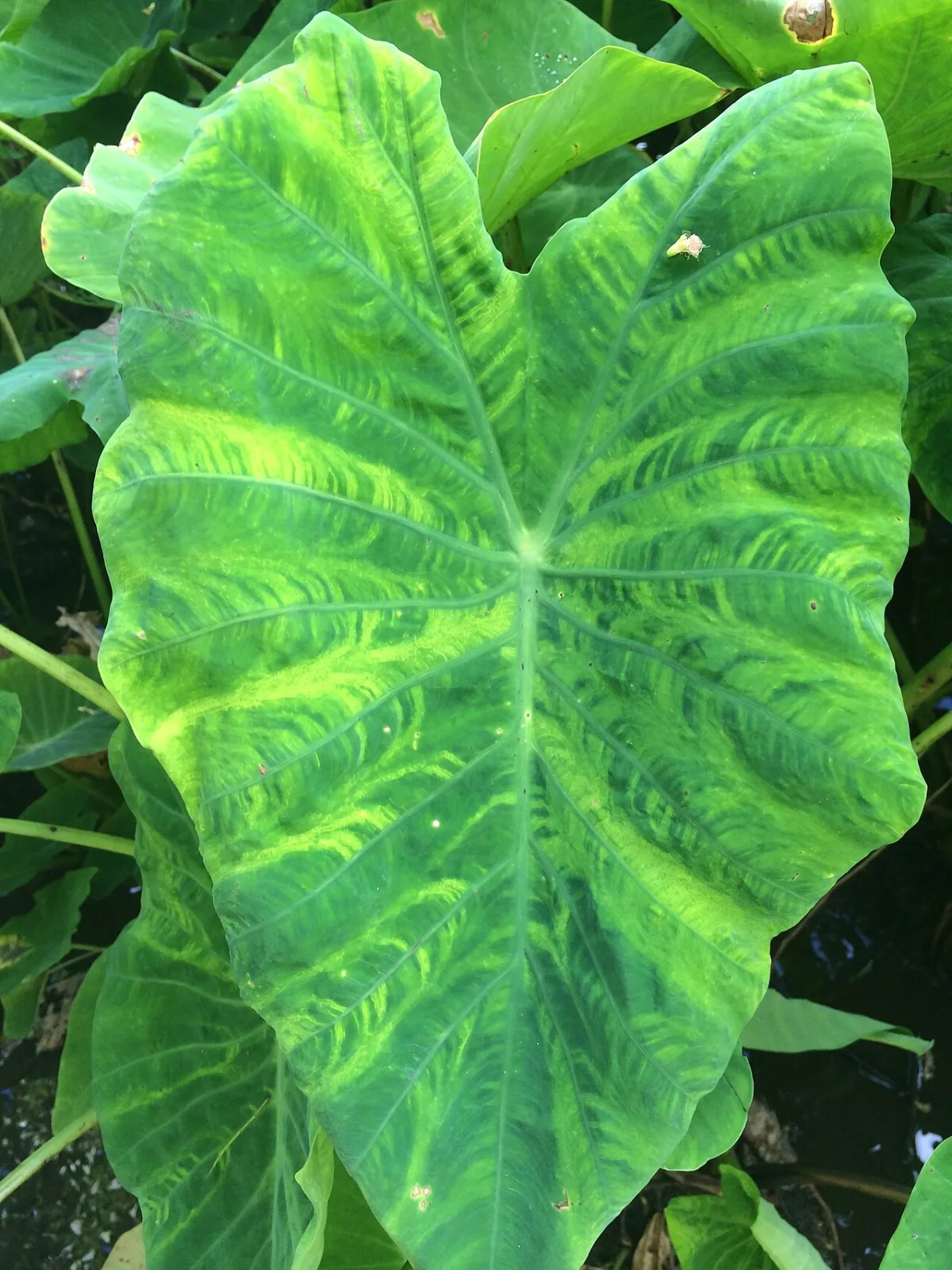
Symptoms in the initial stages of infection appear as vein chlorosis and mosaic patterns on leaves; soon chlorosis spreads over the entire leaf surface, and the plant begins to lag in growth. Later, dark stripes and necroses develop on stems and petioles, and fruits decrease in size. One of the symptoms characteristic of this disease is leaf etching, which is associated with vascular necrosis.
Spread and survival of the pathogen. TMV is transmitted via pepper seed. The virus persists for a long time in dry plant residues and in the soil. The maximum survival period of TMV in dry leaves is 50 years. The virus has high transmissibility; it is known to be carried by sucking insects and mites. In greenhouses, TMV is mainly transmitted by contact during plant care, using serological methods (ELISA). Fig. 136. VIRAL GENERAL CHLOROSIS OF PEPPER
Resistant cultivars and hybrids: F1 Cardinal, F1 Montero, F1 Indalo, F1 Orange Miracle, F1 Aries, F1 Fidelio. Tolerant hybrid F1 Yubileyny Semko.
Protection measures. Only healthy seed should be used. Testing of seed material is carried out according to the methodology adopted for greenhouse tomatoes. An effective method of inactivating the virus in seed is three-day heat treatment of seed at a temperature of 70°C. Treating seed with a 2% sodium hydroxide solution or 10% sodium phosphate also has a noticeable disinfecting effect. Diseased plants must be removed from the greenhouse and destroyed.
Measures are being developed that would allow for the treatment of infected plants. As protective agents, metabolite preparations based on Streptomyces sp. — aphidol and chrysomall, as well as extracts of the oyster mushroom (Pleurotus ostreatus) and aloe juice, are being tested. 2.4.1.2. Fern-leaf and leaf curl of pepper
Pathogen — Cucumber mosaic virus (CMV).
Symptoms. Leaves are small, thread-like or fern-like. There are four forms of disease manifestation: green — the plant loses turgor and dries out, retaining its green color (acute form)
Read next
Plant protection For agronomists
Viral diseases of crops and their pathogens
Plant protection For agronomists
Viral diseases of roses in a greenhouse and methods for their control
Plant protection For agronomists