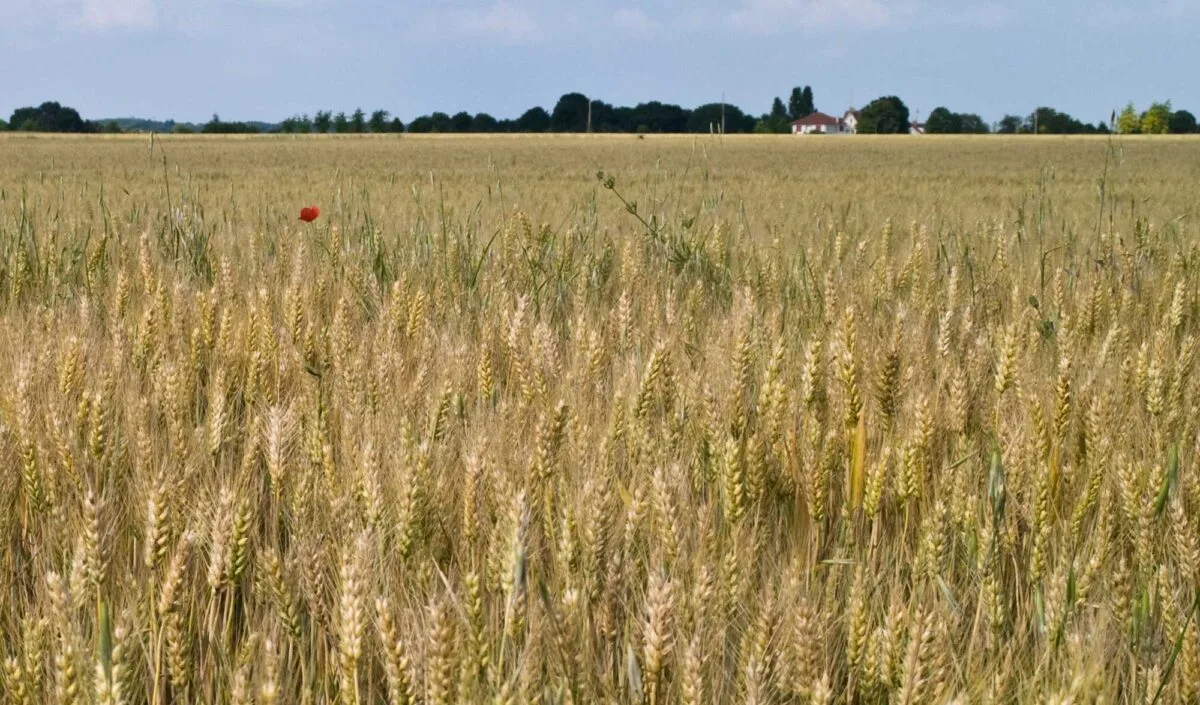
Plant growth is a multifaceted physiological process that depends on the complex interaction of internal regulators, such as phytohormones, and external abiotic factors. For an agronomist and a practicing gardener, a deep understanding of crop development mechanisms is the foundation for obtaining a stable harvest. Managing the microclimate, proper lighting, and ensuring protection against pathogens and pests allow plants to fully realize their biological potential, minimizing losses under any cultivation methods.
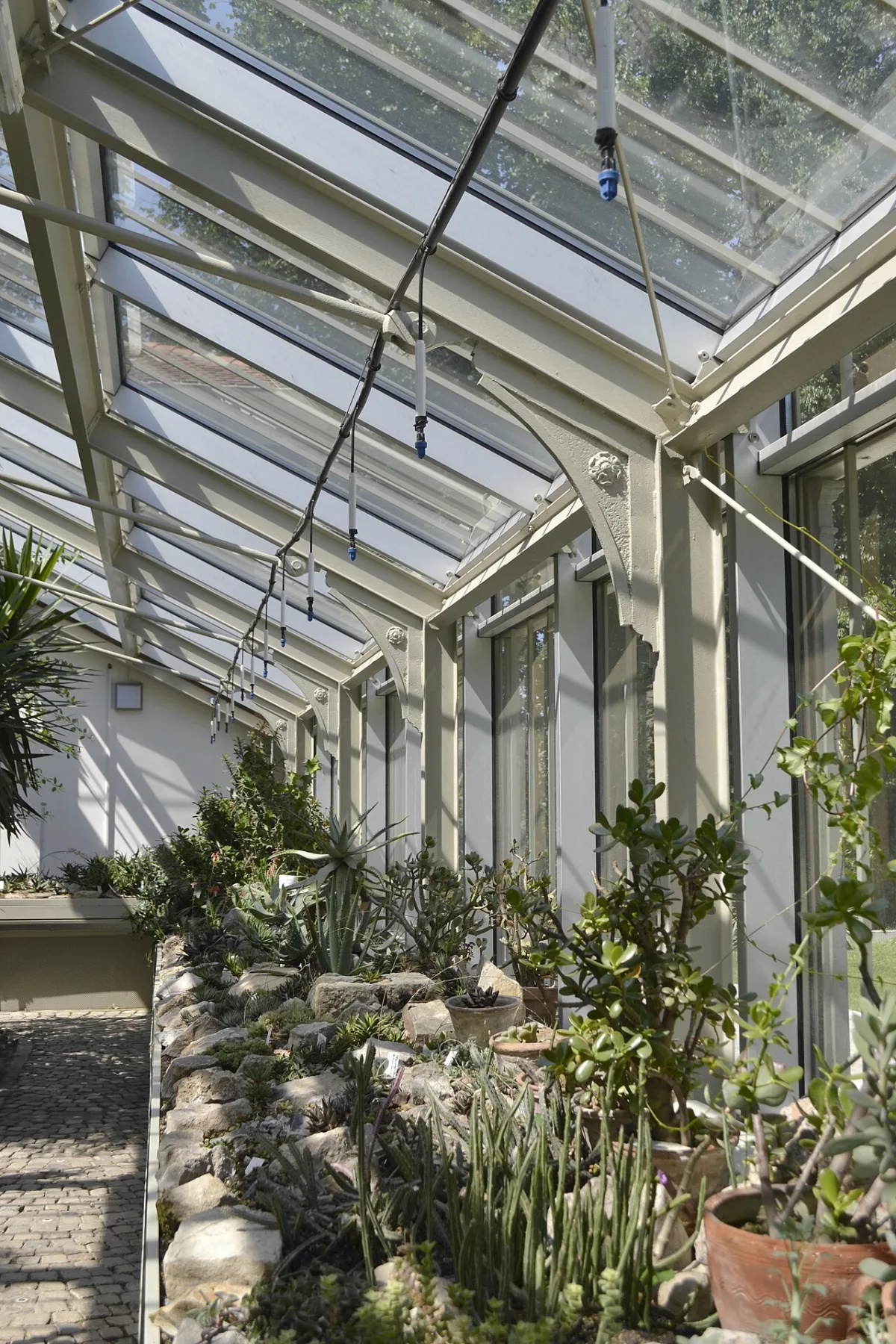
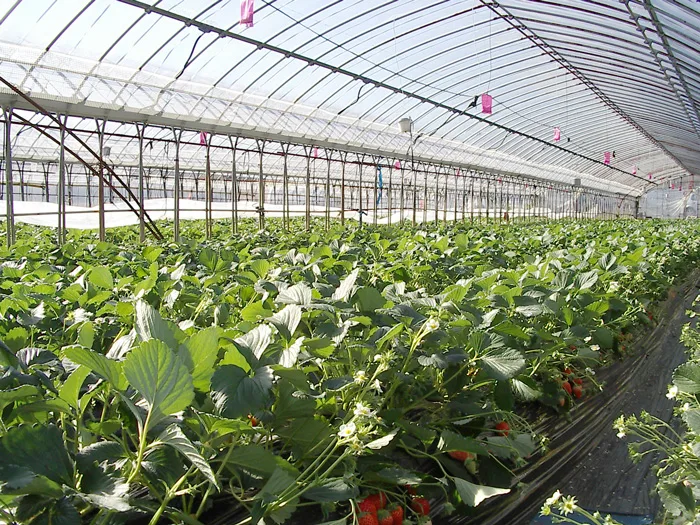
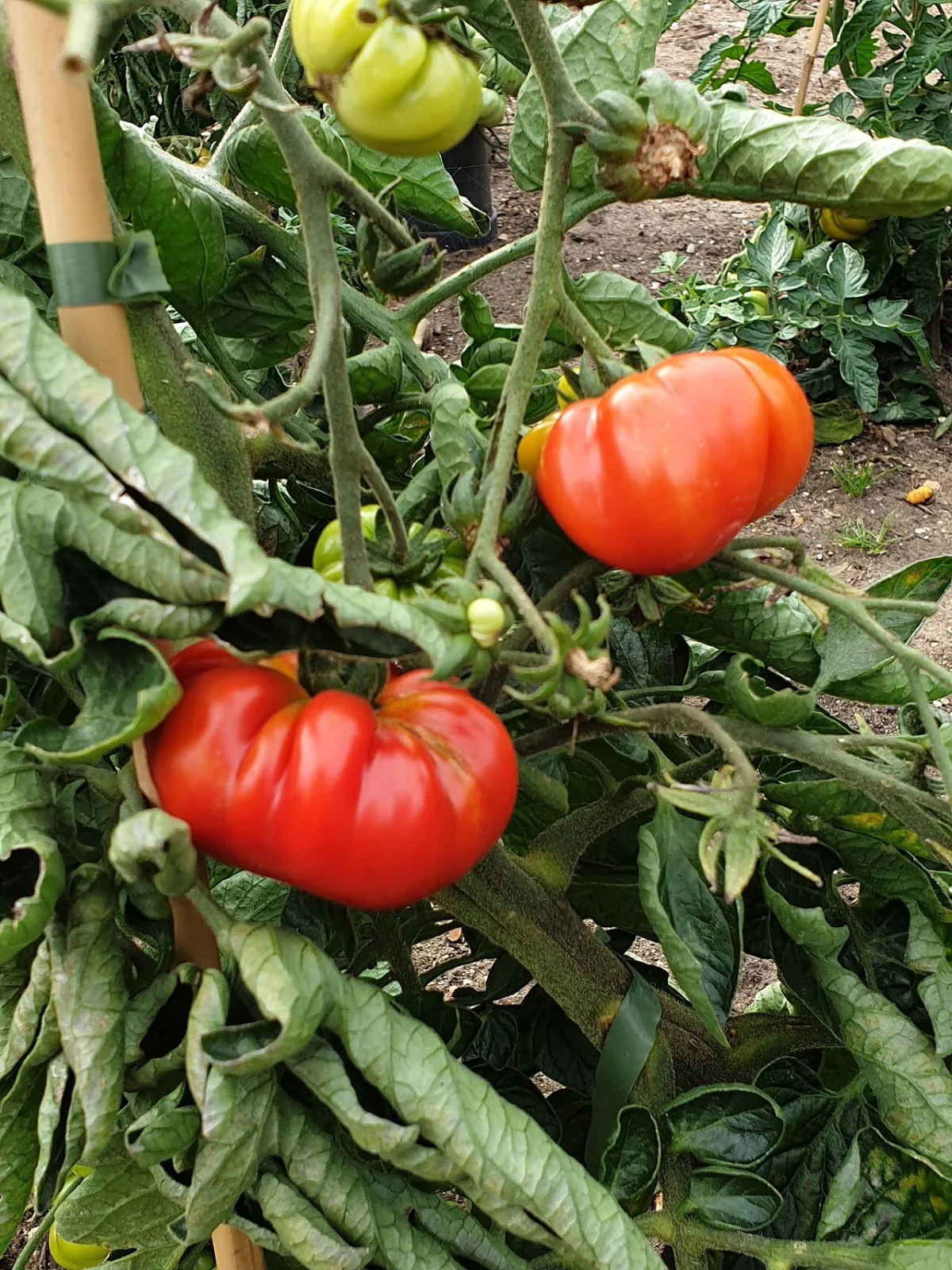
The presented selection brings together materials covering key aspects of modern plant production. The reader will find recommendations for optimizing light and temperature regimes in greenhouses, including methods for solar energy accumulation and maintaining a comfortable environment. The section also includes applied knowledge on crop protection: from the application of biological agents to the control of specific pests and diseases of tomatoes and potatoes. Special attention is paid to issues of agrochemistry and the methodology of conducting field experiments, which will help specialists in the informed planning and adjustment of mineral nutrition strategies to achieve maximum efficiency while maintaining ecological balance.