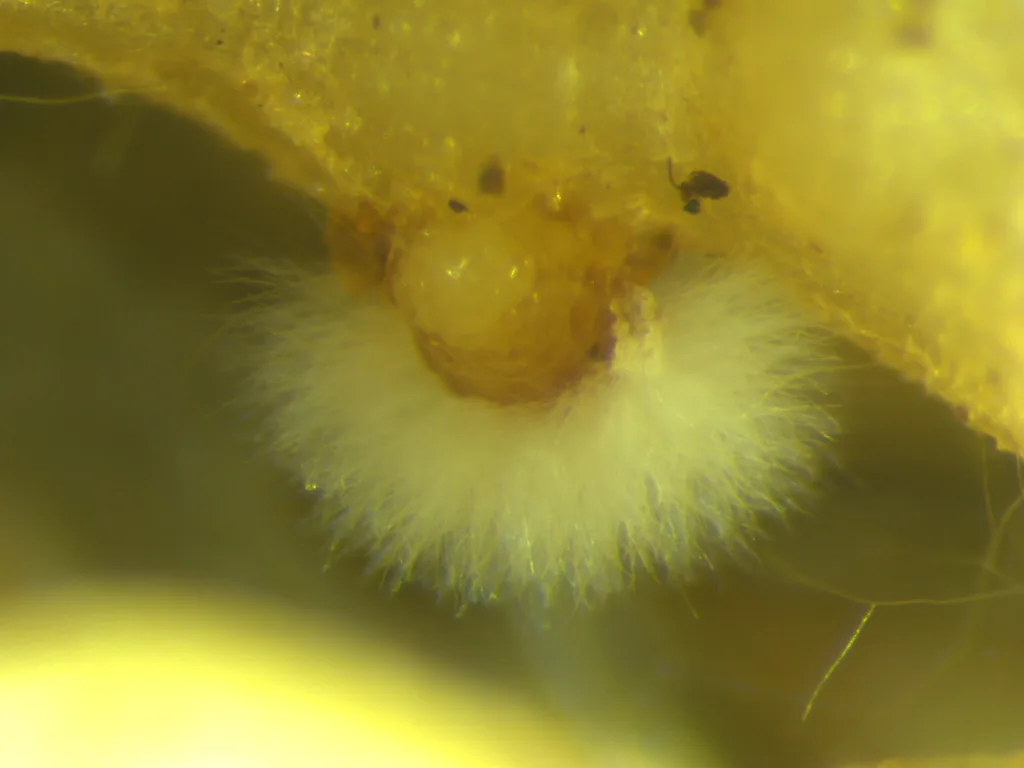
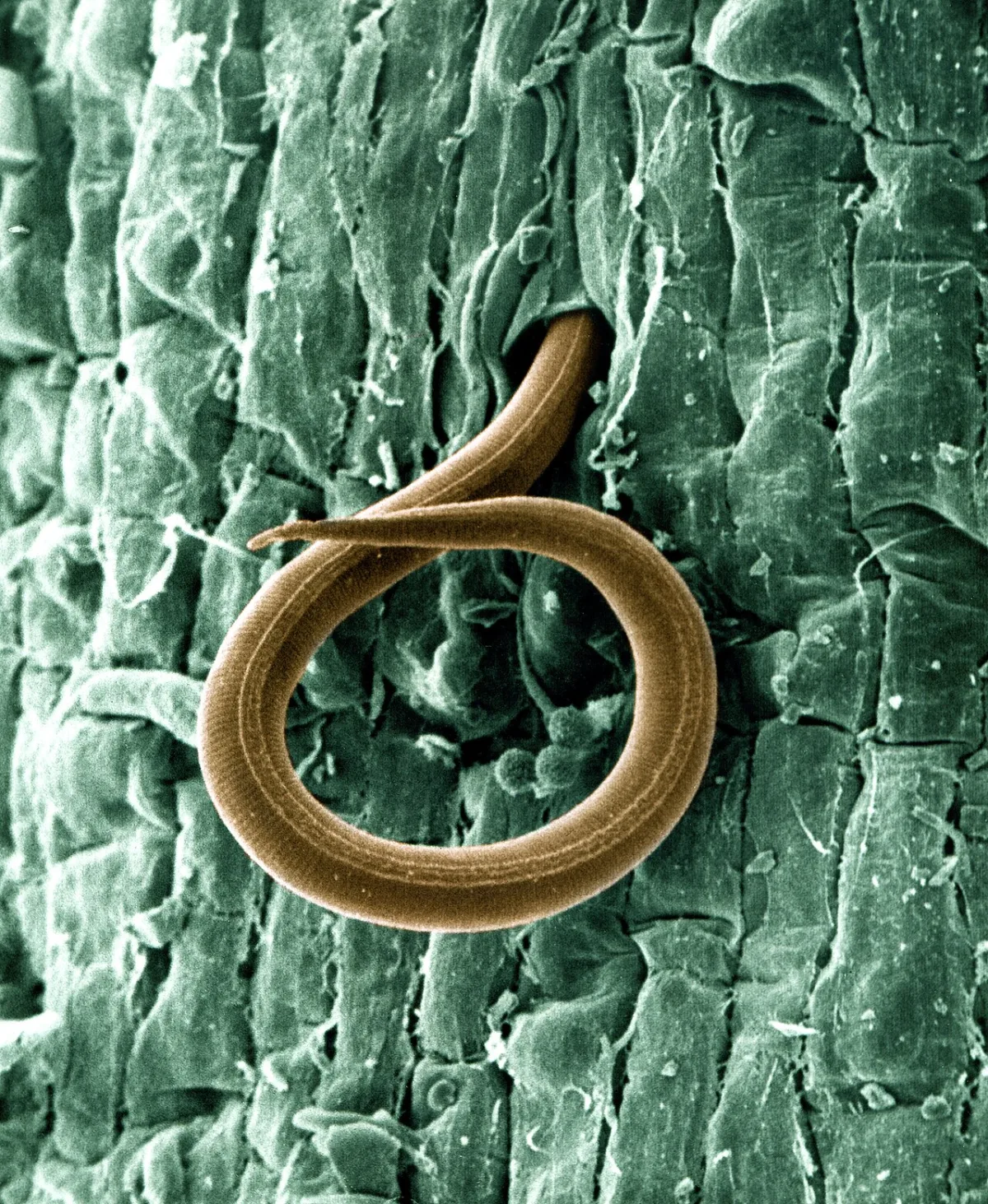
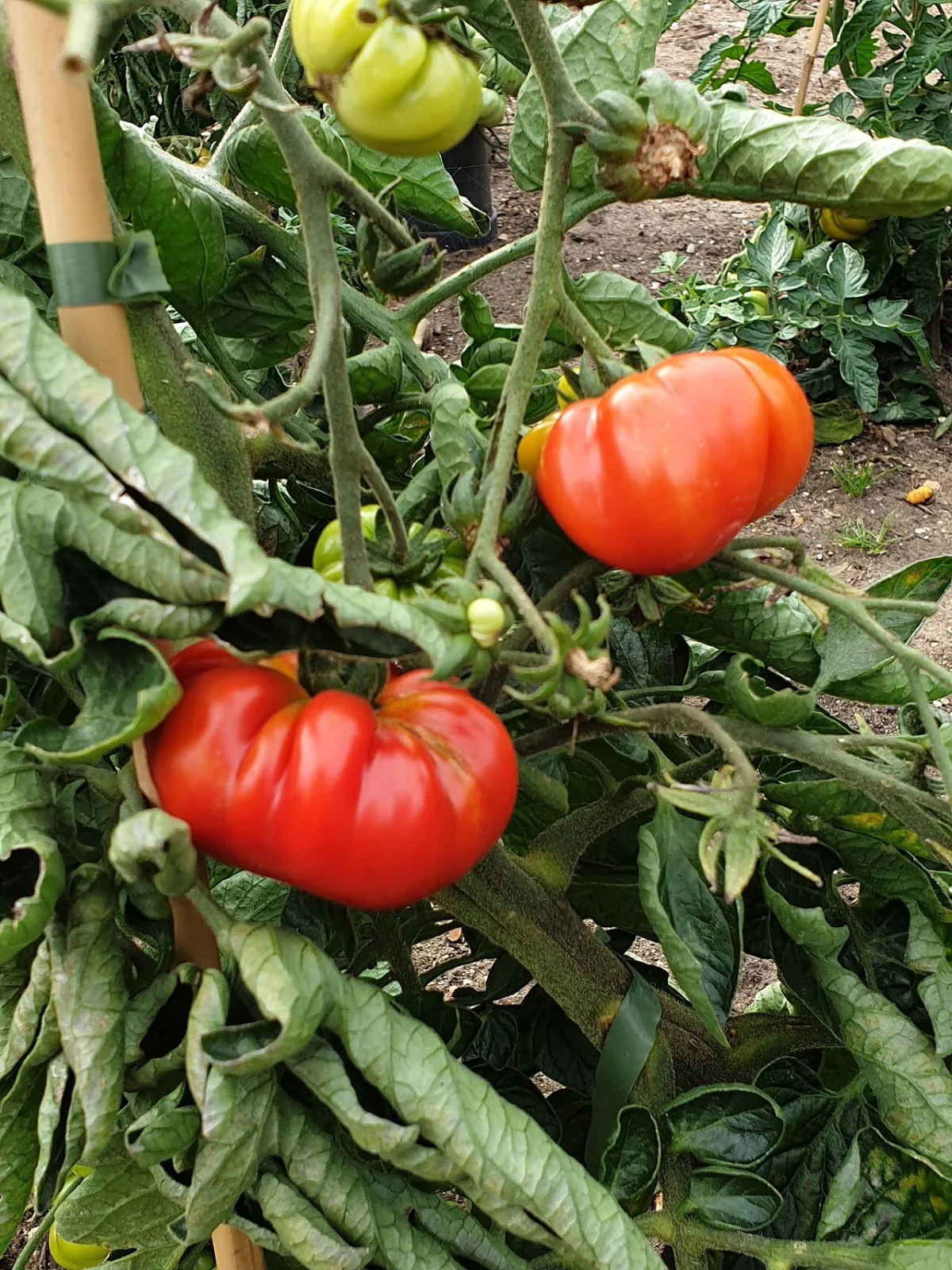
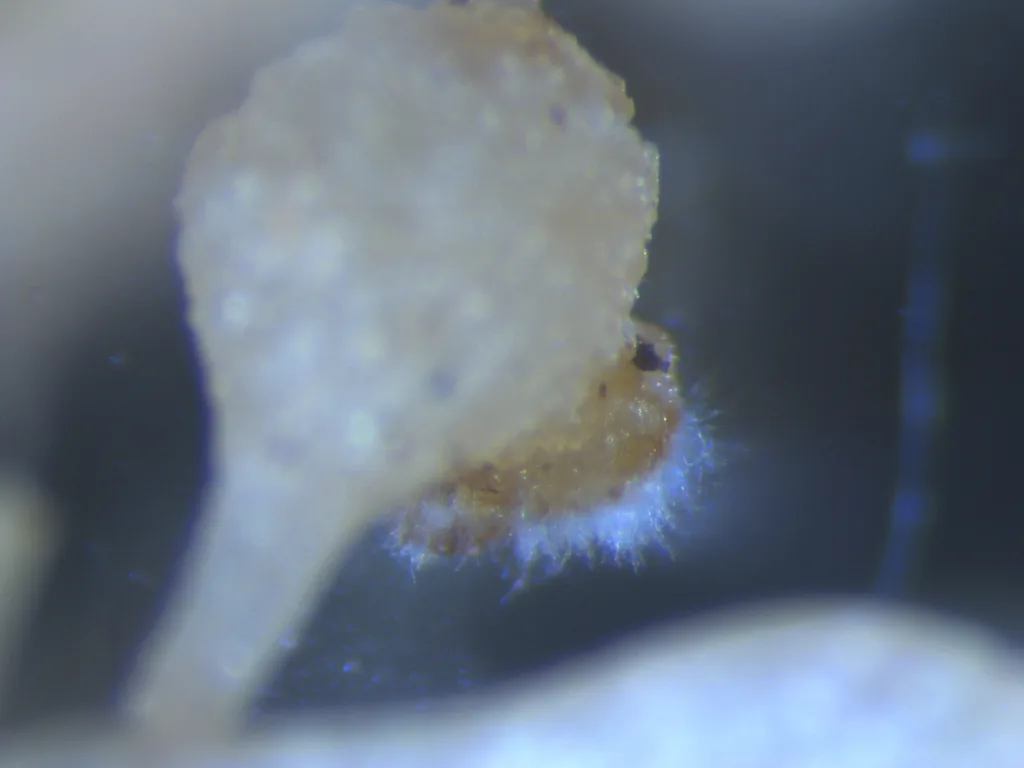
The root-knot nematode is one of the most dangerous pests in protected ground, capable of significantly reducing the productivity of greenhouse crops. Damage to the root system by these phytoparasites leads to the development of specific diseases that are difficult to diagnose at early stages without specialized knowledge. For an agronomist and a crop production specialist, it is extremely important to understand the methods for timely detection of infestation, as well as to know the current phytosanitary protection protocols to minimize the risks of harvest losses and the spread of pathogens throughout the greenhouse area.
This selection contains practical recommendations on dealing with nematodes and the comprehensive remediation of greenhouse soils. Readers will find detailed methodologies for the visual assessment of the degree of plant infestation, reviews of modern methods for soil mixture fumigation, as well as instructions for the application of biological products, including the avermectin complex and agents based on the fungus Trichothecium roseum. Furthermore, the materials describe in detail the mechanisms of action of immunomodulators and systemic approaches to tomato protection, which will allow for the formation of an effective strategy for combating soil pests and associated phytopathogens in closed-ground conditions.