Product · 27 articles

Pesticide

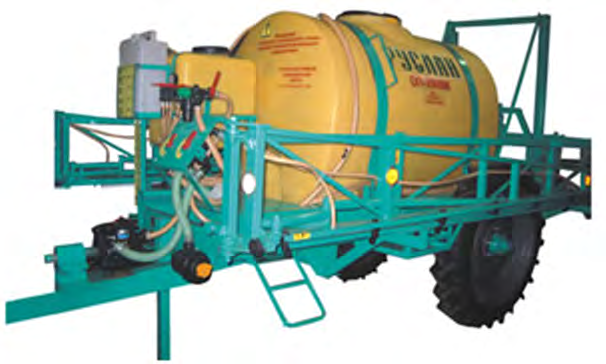
Pesticides remain the primary tool for plant protection, allowing for the control of the spread of pests, diseases, and nematodes both in open soil and in intensive greenhouse operations. The effectiveness of agrotechnical measures directly depends on compliance with the application regulations for products, the precision of setting up spraying equipment, and a deep understanding of the mechanisms of action of active ingredients on pathogens. For an agronomist, the competent use of pesticides is not only a guarantee of saving the harvest but also a duty to ensure the safety of the final product, especially when producing goods for baby food.

This collection gathers materials covering the full cycle of working with products: from the rules of their registration and safety requirements to practical aspects of preparing soil and greenhouse structures. Readers will find information here on methods of chemical and biological control, methods for analyzing residual quantities in the soil, as well as recommendations for combining plant protection with beekeeping processes. Special attention is paid to the integration of chemical methods with the use of biological products based on Trichoderma fungi and entomophages to form a balanced system for the protection of agrocenoses.

Beekeeping For students

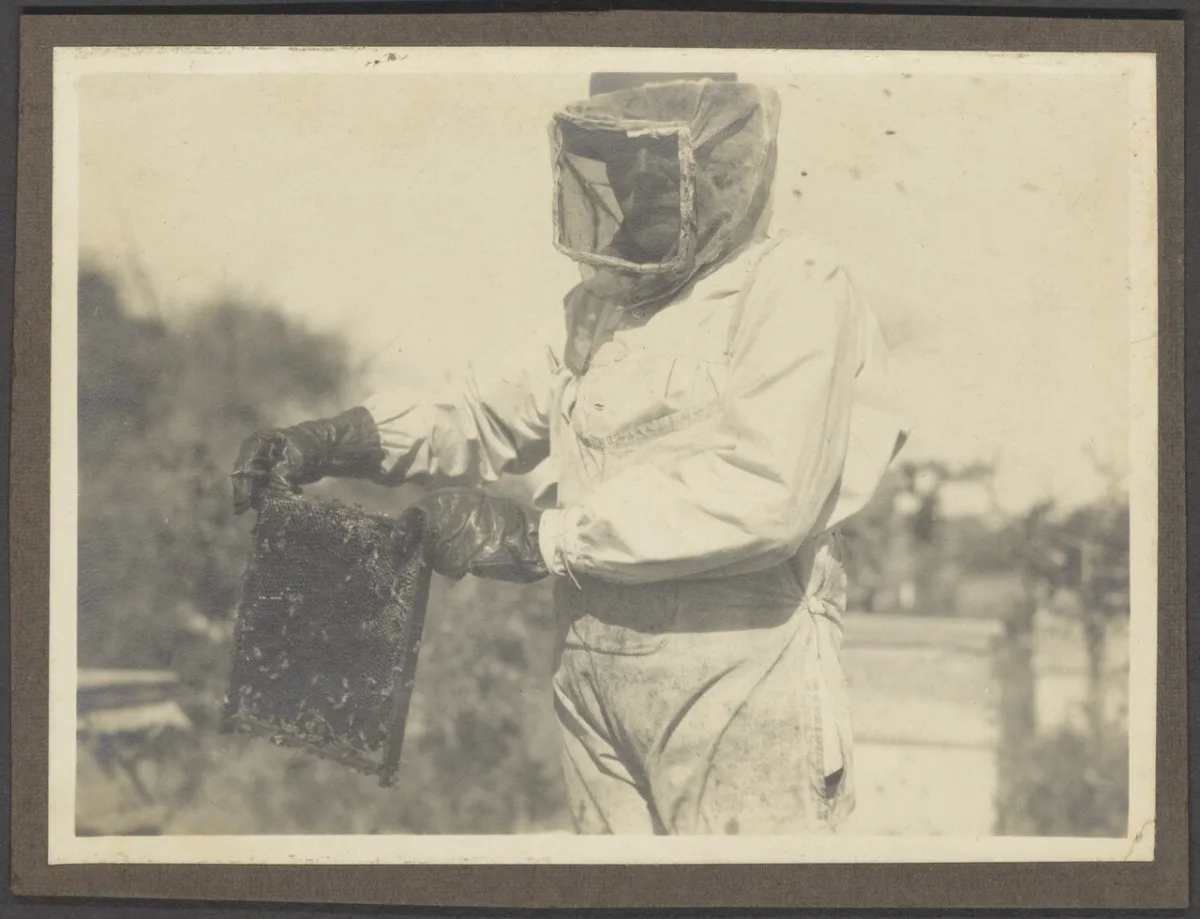
Safe use of pesticides in greenhouses during beekeeping

This article examines methods of plant protection in greenhouses against pests with minimal risk to pollinators. You will learn about the classification of pesticides, rules for conducting spraying, and methods for safely isolating bee colonies in closed ground conditions

Greenhouses and covers For agronomists

Plant protection system against diseases and pests in the greenhouse

In greenhouse conditions, pests and diseases spread rapidly, therefore prevention and sanitation of greenhouses become key factors in preserving the harvest. The article describes methods for disinfecting structures, soil preparation, and controlling planting material to prevent infections

Agrochemistry For students

The role of earthworms in the formation of soil fertility

Earthworms are key participants in soil-forming processes and indicators of the state of agroecosystems. The article examines the contribution of these saprophages to humification, soil disinfection, and the increase of its biological activity

Plant protection For agronomists

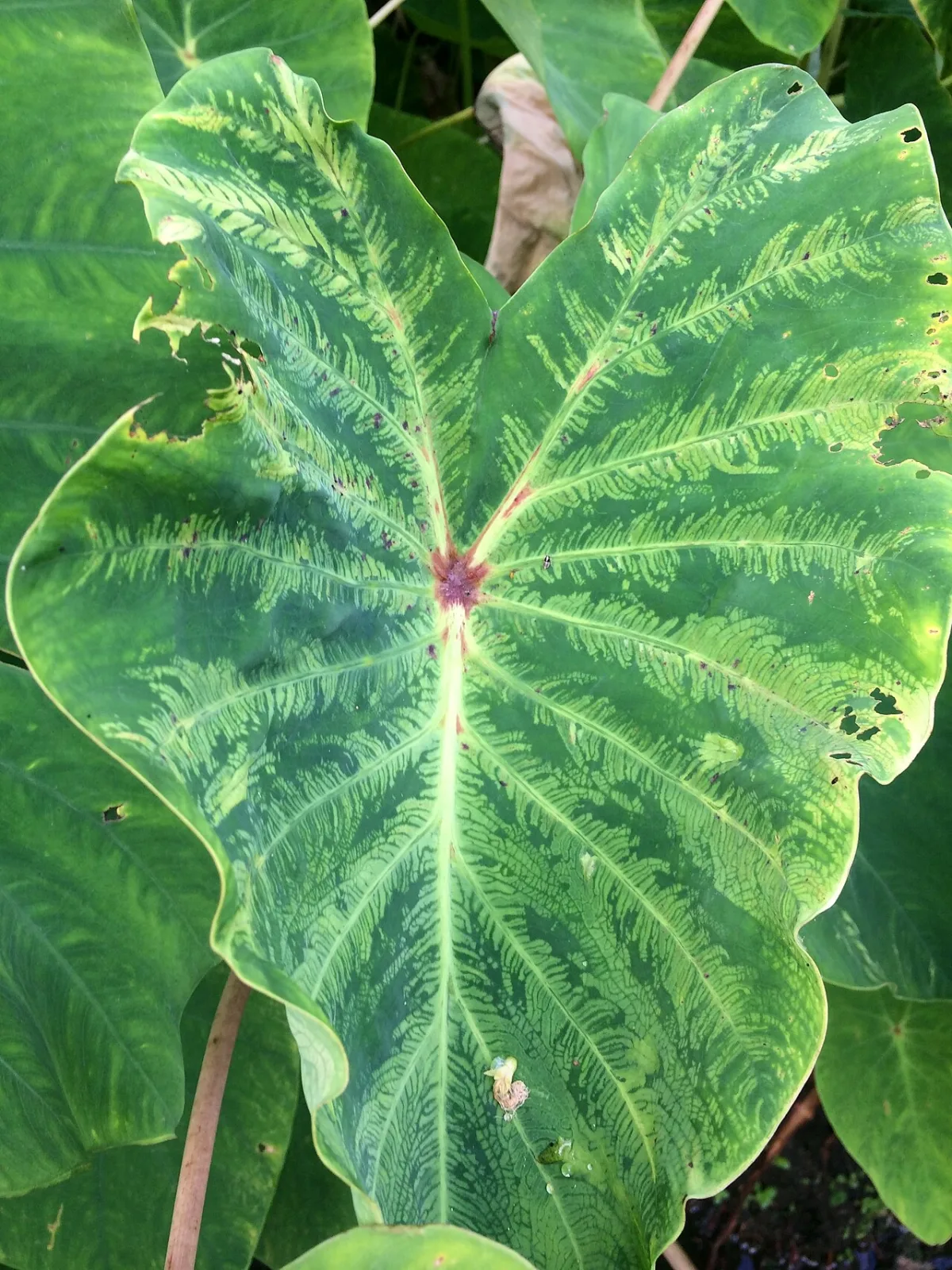
Biological plant protection of vegetable crops against diseases and nematodes

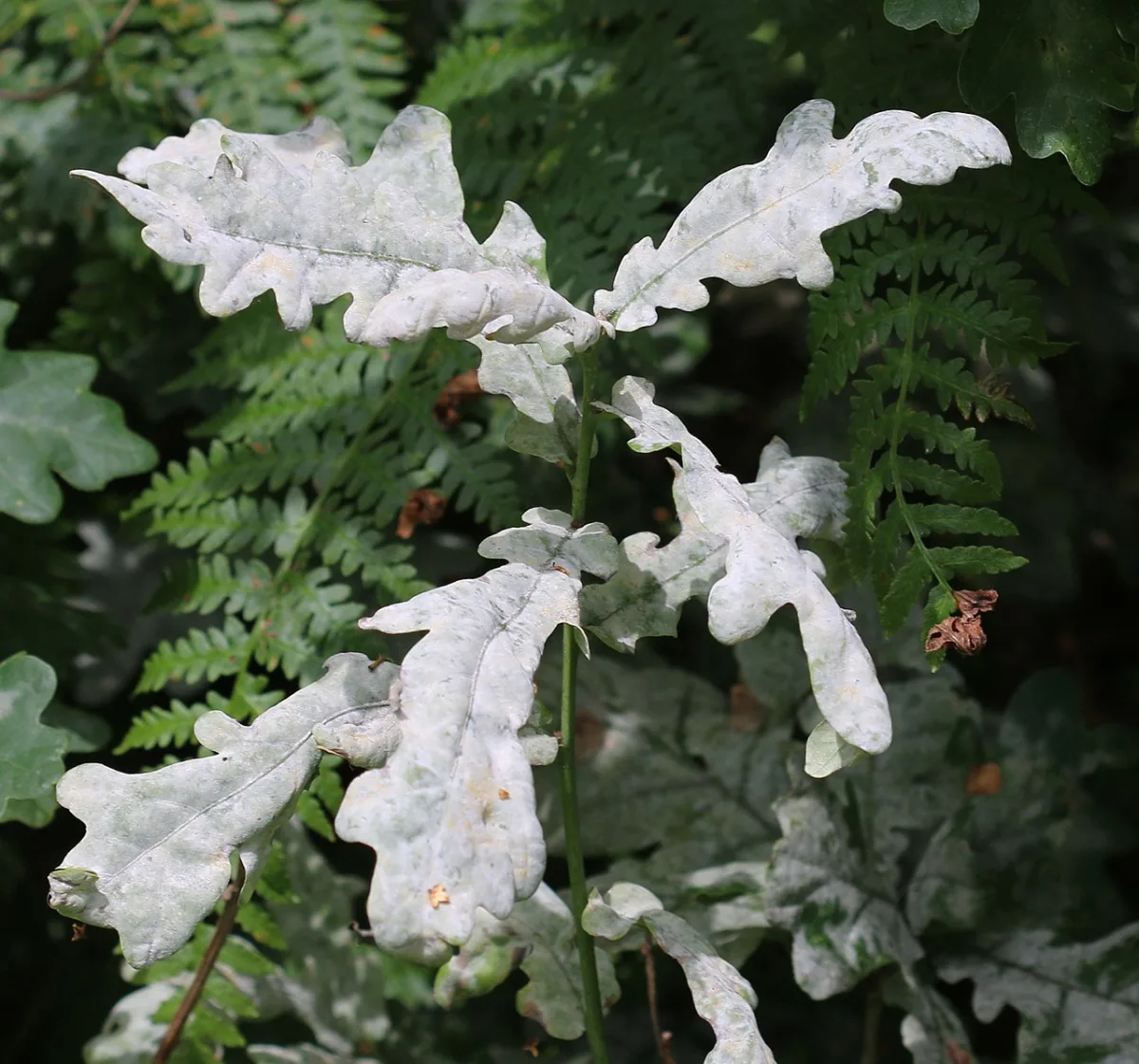
Agronomists use biological pest and disease control methods in greenhouses, including the application of trichothecin against powdery mildew of cucumbers and avermectin complex against root-knot nematodes on tomatoes. The article contains regulations for the application of preparations and a comparative analysis of their application methods