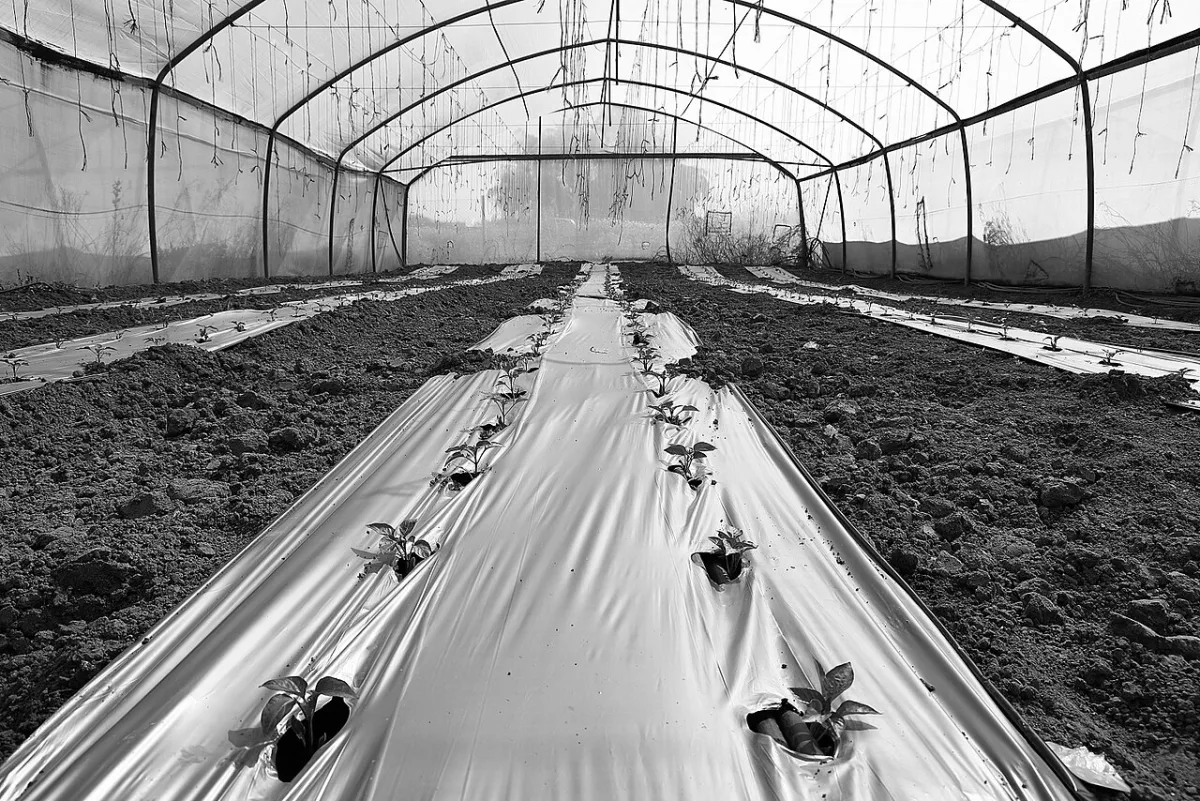
The transplant method remains a basic agricultural practice that significantly expands the possibilities for growing crops with a long growing season. Its use is critically important for thermophilic plants, such as pepper, which require a controlled environment for full development before being planted into the soil. Mastering techniques for preparing high-quality planting material allows agronomists and gardeners to shorten the time to harvest and minimize risks associated with unfavorable external conditions.
This collection of materials combines practical recommendations on organizing protected ground and the specifics of growing popular vegetable crops. Readers will find a detailed analysis of the agrotechnics of pepper and radish, as well as key rules for protecting plantings from diseases and pests. Special attention is paid to a systematic approach to ensuring the phytosanitary condition of greenhouses: from conducting preventive disinfection to implementing comprehensive measures for controlling pathogens. This knowledge will help build an effective plant care strategy at all stages of their growth.