
Plant protection system against diseases and pests in the greenhouse
8 min read
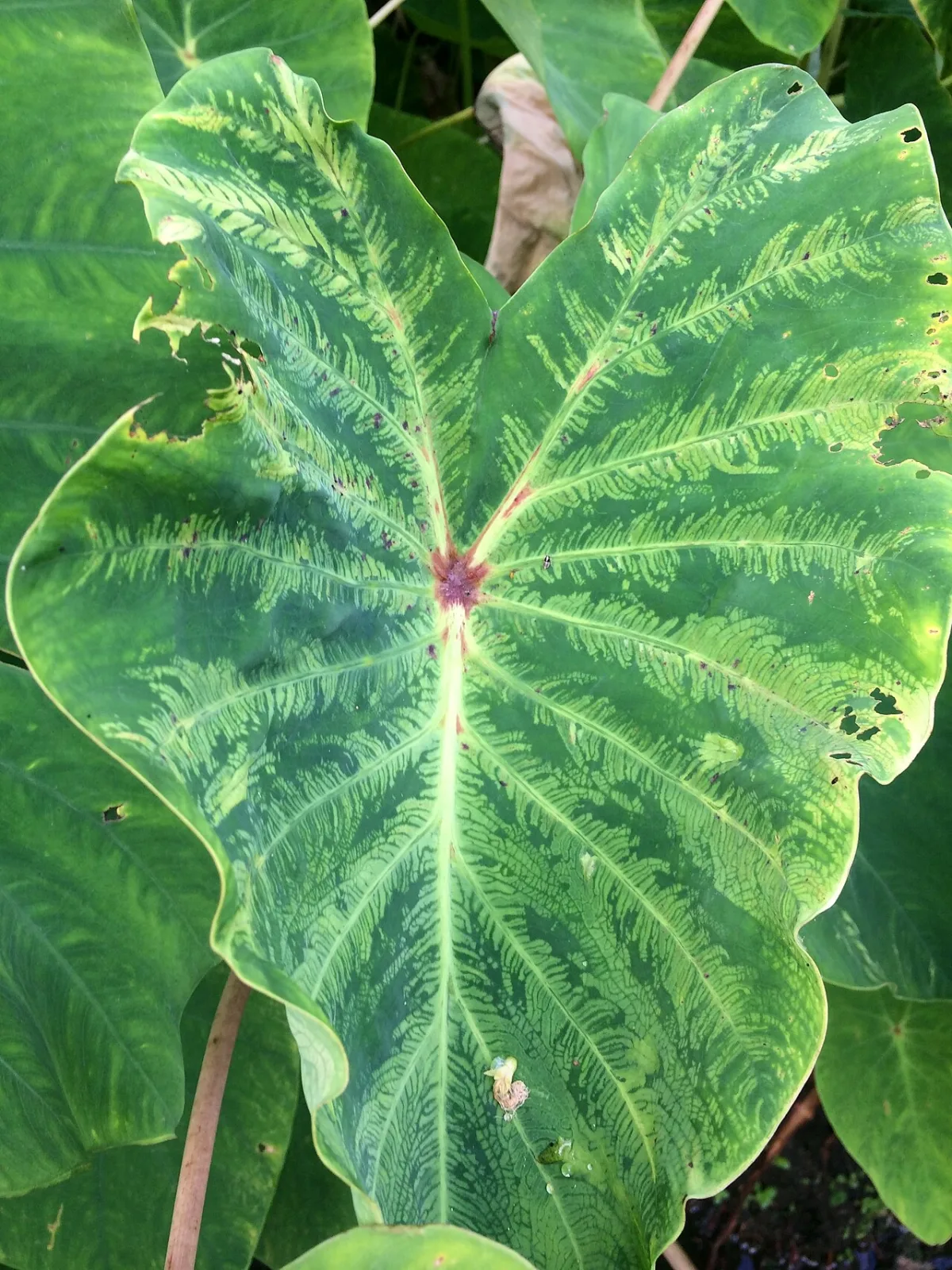
In the conditions of greenhouse, pests and diseases spread rapidly. Since the use of pesticides in greenhouses is strictly limited and requires special permits, preventive and sanitary measures come to the fore. Proper preparation of facilities and transplants allows for localizing infection centers before the active growing season begins.
Prevention and preparation of greenhouses for the season
Sanitary safety begins with the surrounding area. It is forbidden to plant cucurbit crops near greenhouses, as they serve as a natural reservoir for powdery mildew, greenhouse whitefly, and spider mites. Also, avoid proximity to potato plantings to prevent the infection of tomatoes with late blight. Inside the greenhouses, the joint growing of vegetables and flower crops is prohibited. In autumn and winter, complete disinfection of greenhouses, tools, and plant residues must be carried out.
It is prohibited to purchase transplants from farms where plants are affected by diseases and pests. Before planting, ensure thorough culling of diseased plants, and keep a mat soaked in a concentrated solution of chlorinated lime or table salt at the greenhouse entrance.
- Clean the greenhouse of plant residues, cut down the twine, and burn them.
- Disinfect the wire for tying and local soil areas with a gas burner flame.
- Wash glass surfaces and pipes with clean water.
- Disinfect structures and the soil surface with a 5% formalin solution.
- Seal the greenhouse hermetically for two days, then ventilate thoroughly.
To treat frames, structural elements, and tools, use a chlorinated lime solution at a rate of 400 g per 10 l of water. Transplants — bulbs, parsley and celery root crops — are disinfected by dusting with slaked lime before planting. This allows for the destruction of surface pathogens before the beginning of the growing season.
- Formalin solution application rate — 3–5 l/m²
- Soil steaming temperature — 70 °C at a depth of 30 cm
- Soil steaming duration — 10 hours
- Air temperature during solarization — 60 °C and above
- Disinfection of hydroponic substrate — 3 days
To improve soil health, thermal or biological methods are used. For steaming, steam is supplied under a hermetic heat-resistant film onto tilled soil. If there is no technical possibility to steam the soil, solarization is performed in August. For this, the soil in a closed greenhouse is covered with polyethylene film and tilled every 2–3 days. Due to high temperatures, pests and pathogens on the surface are killed.
In spring, 5 days before planting the transplants, the soil is watered with a disinfectant solution. The working mixture is prepared from 1 g of potassium permanganate and 1 tablespoon of copper sulfate per 10 l of water. Hydroponic substrates are disinfected with a 5% formalin solution for three days, after which they are thoroughly washed with clean water.
Seed treatment and agrotechnics during the growing season
Seed treatment protects future seedlings from viral, fungal, and bacterial pathogens. The choice of treatment method depends on the crop and the target protection object. Timely disinfection of seed material significantly reduces the risks of seedling loss.
| Crop | Target object (diseases) | Seed treatment method | Treatment regime |
|---|---|---|---|
| Cucumber, tomato | Viral diseases | Dry heating according to the temperature schedule | 3 days at 50–52 °C, then 1 day at 78–80 °C |
| Tomato | Viral diseases | Soaking in potassium permanganate solution (1%) | 15–20 minutes, followed by rinsing with clean water |
| Tomato | Viral diseases | Treatment with hydrochloric acid (20%) | Seed treatment followed by thorough rinsing with water |
| Cabbage | Downy mildew, vascular bacteriosis, phomosis | Heating in hot water | 20 minutes at 48–50 °C, followed by cooling and drying |
After thermal treatment, it is beneficial to soak seeds in clean water or solutions of macro- and micronutrients. This compensates for temperature stress and increases germination energy. Maintenance work should always start with healthy plants, moving to suspicious ones last.
Upon the appearance of viral diseases, tools for pruning and pinching must be disinfected in a 5% solution of potassium permanganate.
Agrotechnical protection measures are based on maintaining an optimal microclimate, proper nutrition regime, and water-physical properties of the substrate. Any imbalance immediately triggers disease outbreaks. For instance, growing vegetables in heavy soils and unbalanced organic top dressing often lead to the development of root rots. White and gray rots, late blight, and tomato bacteriosis actively develop in greenhouses without proper drainage.
Excessive nitrogen nutrition lowers plant immunity, provoking bacterial stem rot in tomatoes and causing a massive reproduction of aphids and mites. A lack of nutrients is no less dangerous for the harvest. For example, a shortage of elements during the fruiting period of cucumbers is often accompanied by ascochytosis infection of the plantings.
If the air humidity increases, the development of spider mites slows down. However, if the air humidity exceeds 75—80%, such diseases as leaf mold, septoria leaf spot, bacterial stem rot, late blight, and gray mold may develop in tomatoes. When these diseases appear, irrigation rates are reduced, and greenhouse ventilation is improved. Timely pinching and removal of dying leaves improve air circulation in the greenhouses. To prevent the development of such diseases as ascochyta blight, anthracnose, olive leaf spot, and cucumber white rot, the relative air humidity is reduced to 70%. Root rot development is promoted by waterlogging or drying out of the soil at low or excessively high temperatures, as well as irrigation with cold water.
Supercooling of plants resulting from temperature regime violations or irrigation with cold water weakens the plants and makes them vulnerable to diseases.
A lack of light reduces the plants' resistance to diseases.
Resistance of plants to diseases is increased by microelements. Copper reduces the likelihood of tomato late blight, while zinc reduces cucumber bacterial wilt and tomato blossom-end rot. Adequate calcium and moisture levels prevent the occurrence of blossom-end rot. Foliar top dressing of peppers with phosphorus and potassium reduces aphid infestation. |. d Re = («2 < ^ o Alu
Biological method. The biological method involves the use of natural enemies of pests and diseases. In the laboratory greenhouses of agricultural enterprises, predatory insects and mites (entomophages) are specifically bred and released into the greenhouses; bio-preparations made on the basis of cultures of pathogenic microorganisms are also used. This is done based on special recommendations.
To control spider mites, the predatory mite *Phytoseiulus* is used. In the fight against aphids, the predatory gall midge *Aphidoletes aphidimyza* and common lacewing are used, while for whiteflies, entomopathogenic fungi such as *Verticillium* and *Aschersonia*, or the parasite *Encarsia*, are employed.
Against a complex of cucumber, tomato, and pepper diseases, the bio-preparation trichodermin is used (seed treatment or application into the nutrient substrate for transplants).
For individual farms, an accessible biological method is the use of phytoncidal plants: black elderberry, onion, garlic, chamomile, wormwood, etc., whose decoctions and infusions, or even their mere presence (marigolds), destroy or repel pests. To sanitize the soil in the greenhouse after the crop has finished, it is very beneficial to grow and dig into the soil as green manure crops such as marigolds, leaf mustard, oilseed radish, or rye.
Agrotechnical and biological methods, together with the immunological method, which is based on the use of resistant cultivars, can be an alternative to the chemical method, but at present, the chemical method remains quite popular.
Chemical method. The use of pesticides (fungicides for disease control, insectofungicides and acaricides for pest control) must be in strict accordance with the "List of pesticides and agrochemicals permitted for use in Ukraine" for the current year. For 2007, the following preparations are permitted in protected soil.
Against whiteflies on cucumbers and tomatoes — Applaud, Warrant, Vital, Image; against whiteflies and thrips — Leader, against = her ebu < V bo > and 22% >
whiteflies and aphids — Confidor, Mospilan; against aphids and mites — Talstar. The waiting period from application to harvesting is 3 days, the frequency of applications is no more than one, and for Talstar, 2 applications are permitted per growing season.
Against powdery mildew on cucumbers — Bayleton, waiting period is 5 days, twice. Against root rots and downy mildew on cucumbers — Previcur, once. On transplants of most vegetable crops against root and stem rots — Previcur, twice with an interval of 3—4 weeks.
As you can see, the number of preparations used in greenhouses is very limited. It is noteworthy that the waiting period from application to harvesting in greenhouses is significantly shorter than in open soil. I believe this is connected not only to the fact that the preparation acts and decomposes faster in greenhouses. This should also be perceived as a compromise, caused by the fact that if the waiting period were long, greenhouse produce would become unprofitable. For example, for Confidor, the waiting period in protected soil is 3 days, while in open soil it is 20 days. But this does not make it easier for the consumer. There is no quality control of the produce we buy at the market. Therefore, if possible, try to grow your own vegetables and avoid the use of pesticides.
Insulated soil after the film is removed is treated as open soil regarding the use of insectofungicides.
On leafy greens, the use of pesticides is prohibited. There is a practice of using pesticides together with foliar top dressing with microelements and humic substances. In this way, while suppressing the action of pathogens, the effect of the preparations on the plant is softened.
Ох Э.7: ЛА 55) о 7 д \ Growing transplants —* р. vegetable and cucurbit crops < $ for open ground % and. м \>
To accelerate the harvest, many vegetable crops are grown using the transplant method:
- tomato;
- pepper;
- eggplant;
- early white cabbage and cauliflower, etc.
Only the transplant method is used for planting in protected ground structures for cucumber and tomato.
Transplants are like a child that we raise in a nursery, in kindergarten, and then send off into the big world. And their subsequent health and viability depend on how we harden them, nurture them, and what we instill during their childhood.
Read next
Plant protection For agronomists
Diagnostics of nitrogen deficiency in cucumber and disinfection of greenhouse structures
Greenhouses and covers For agronomists
Selection of substrates and management of mineral nutrition in greenhouses
Greenhouses and covers For gardeners