
The role of earthworms in the formation of soil fertility
21 min read
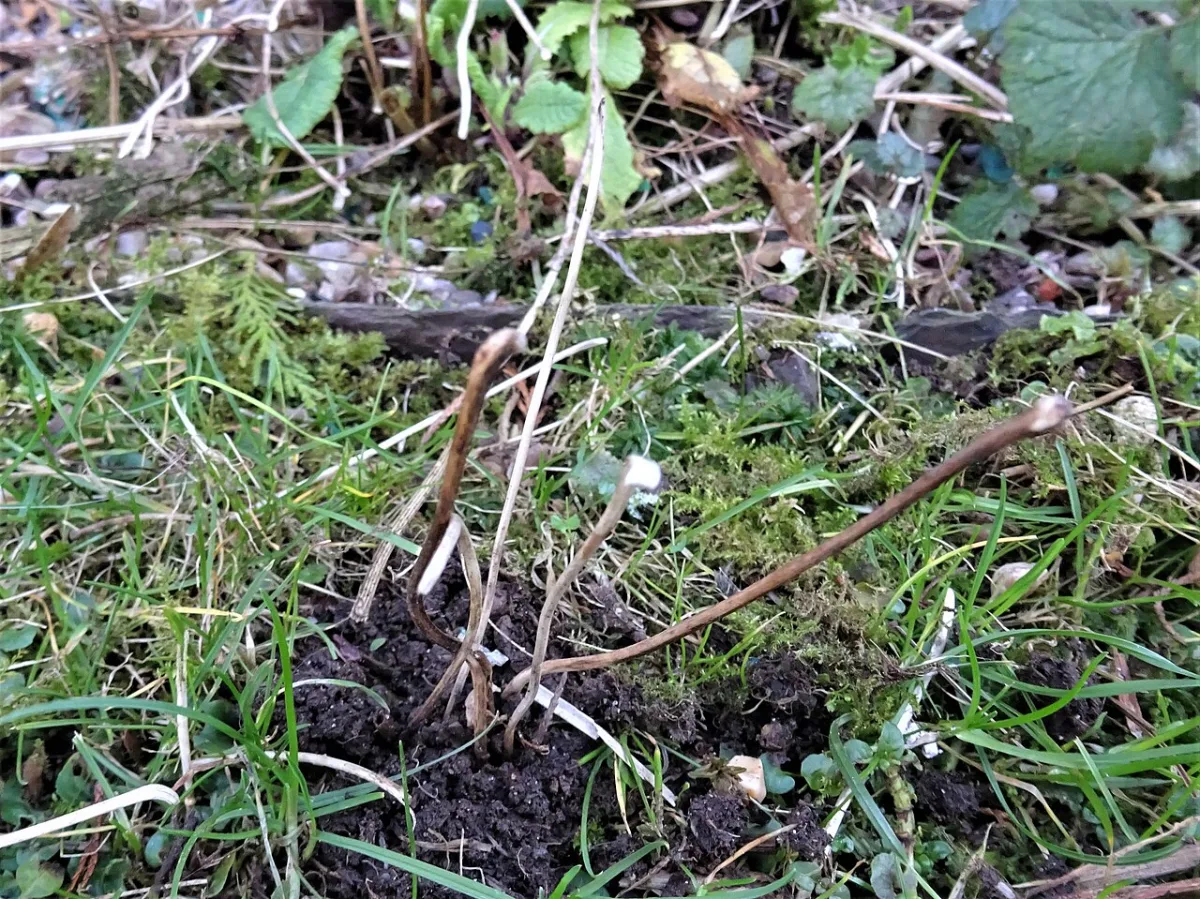
Even the farmers of Ancient Egypt saw earthworms as a guarantee of future harvests. Aristotle called them the "intestines of the earth." Charles Darwin (1886), in one of his first scientific reports, "On the Formation of Vegetable Mould," outlined a theory according to which the entire fertile layer of our planet has already passed through the bodies of worms, and more than once. He wrote: "The plough is one of the most ancient and most valuable of man's inventions; but long before he existed the land was in fact regularly ploughed, and still continues to be thus ploughed by earth-worms... It may be doubted whether there are many other animals which have played so important a part in the history of the world."
Farmers have long known that the presence, condition, and activity of earthworms in the soil are easy indicators of its soil fertility. For instance, if the worms were bright red, active, and plump, it was a sign that the soil was highly fertile, and one could count on a good harvest. If there were few earthworms in the soil, and they were pale and sluggish, it was necessary to take measures to incorporate manure and other organic fertilizers. Thus, without knowing anything about soil agrochemical analyses or the presence of nutrients in it, farmers determined its ability to support the growth of agricultural crops based on the condition of the worms. Earthworms served as a kind of soil analyzer.
Earthworms are large invertebrate soil animals—saprophages that feed on plant residues. In Russia alone, there are about 100 species. Worms feed primarily on dead, decomposing plant residues, and along with them, they ingest bacteria, algae, fungi and their spores, protozoa, and nematodes. As they digest them, worms excrete a large amount of their own intestinal microflora, enzymes, vitamins, and biologically active substances along with coprolites (kopros – excrement, lithos – stone). These substances possess antibiotic properties and inhibit the development of pathogenic microflora, putrefactive processes, and the release of foul-smelling gases, while also disinfecting the soil and giving it the pleasant smell of earth.
Worms play an important role as stimulators of microbial activity. The excrements of worms (coprolites) become centers for the rapid multiplication of microflora. Even a short presence of worms in the soil causes an intensification in the development of soil microflora and the humification process it drives. During the digestion of organic matter in the worm's intestine, humus substances are formed, as the polymerization of organic decomposition products and the formation of humic acid molecules take place there. These molecules form complex compounds with mineral components (primarily biogenic calcium), and the latter remain preserved for a very long time in the form of stable formations. The humus substances formed in the worm's intestine are similar in chemical composition to the humus formed in the soil by microflora.
The work performed by billions of earthworms in the soil is immense. Their muscular activity alone has a very favorable effect on soil fertility. With tireless energy, they dig miniature channels and entire galleries in it, forming an extensive drainage and ventilation system in a layer about 30 cm deep. These channels facilitate the process of root branching and their penetration into deeper layers. Worm burrows run in different directions and at any angle to the horizon.
A unique property of earthworms is the structuring of the soil. The activity of glandular cells, which secrete large amounts of mucous substances, is of great importance in the ability of worms to improve soil structure. Mucous secretions increase the ease of the worms' movement through the substrate, protect their bodies from drying out, and, in addition, coat the walls of the worm burrows inside the soil, which gives them significant strength compared to accidental cracks in the soil. Such "drainage" is important for effective soil fertility.
The network of burrows, which can total 4–7 thousand km/ha, increases the surface area of contact between the soil and the air, which ensures the penetration of oxygen and water into deeper layers of the soil. During the summer period, a population of 50 worms in the tilled soil layer per 1 m2 digs a kilometer of burrows and deposits a 3 mm layer of coprolites on the surface. Even more remain in the soil mass.
Thus, modern science testifies that the activity of earthworms is a significant factor in soil fertility. The most obvious sign of soil health is the presence of earthworms in it.
The massive agricultural application of chemical fertilizers, herbicides, insecticides, fungicides, plant growth retardants, defoliants, desiccants, and other similar substances has caused a disruption in the centuries-old complex system of self-regulating processes of humus formation and its mineralization in the soil. Pesticides have a devastating effect on soil organisms, including earthworms, causing them to die. In this regard, their numbers in the soil have significantly decreased in recent decades, which negatively affects its fertility.
Worm habitat conditions. In natural habitats species composition and the number of earthworms depend on the soil type. In pastures with loamy, light loamy, and sandy loam soils, their population is at its maximum — up to 450 individuals per 1 m2; in clay soils, it is lower — up to 230 individuals per 1 m2. The lowest number of earthworms is generally observed in acidic soils — 25 individuals per 1 m2. On 1 hectare of well-maintained meadows or pastures, their biomass can reach 2–5 t/ha, which is nearly 100 times the biomass of terrestrial animals in the same area.
How to preserve and increase the worm population in the soil
Earthworms are the primary natural soil improvers, directly affecting its soil fertility. Their population level depends on the availability of nitrogen-containing organic matter and the acidity of the environment. Worms prefer neutral soils but are capable of neutralizing the soil solution during their life cycle. However, the excessive application of mineral fertilizers">application of mineral fertilizers can drastically degrade their habitat conditions.
The concentration of soluble salts in the soil solution above 0.5%, as well as deviations in environmental acidity (pH below 5 or above 9), lead to the death of earthworms within a week.
In temperate latitudes, worms remain active during most of the warm growing season. They reproduce quickly and are capable of recovering their population size under favorable environmental conditions.
- Active life period — 6.5–7 months
- Temperature for entering hibernation — +5 ºC
- Awakening time — 10–15 days before the frozen layer thaws
- Number of cocoons per summer per individual — 18–24 pcs.
- Number of eggs in one cocoon — 1–21 pcs.
- Hatching and maturation period — 2–3 weeks (hatching), 7–12 weeks (maturity)
In addition to adverse soil factors, serious threats to worms are posed by natural predators — birds, rodents, and amphibians. Moles cause the greatest damage to the population, as they are capable of completely eradicating worms in an area within a few months.
Controlling moles and other pests in vermiculture zones can only be done using mechanical methods. The application of chemical agents will inevitably kill the worm population.
Vermiculture technology and substrate preparation
Breeding earthworms (vermiculture) allows for the efficient utilization of organic waste and the production of a valuable fertilizer — humus. Depending on the scale of the operation, either an intensive method (in indoor facilities) or an extensive method (in open-air plots) is used. The foundation of the technology is the proper preparation of the nutrient substrate.
Fresh manure from cattle, pigs, and poultry manure is toxic to worms due to high concentrations of ammonia, urea, and uric acid. It is prohibited to use them without prior composting.
To create an optimal nutrient medium, organic raw materials are composted in piles. This method ensures the necessary aeration for the worms, unlike deep compost pits. To increase the nutrient value of the finished humus, mineral components are added to the mixture at the stage of pile formation.
| Mineral component | Application rate per 1 t of composted mass |
|---|---|
| Double superphosphate | 2–3 kg |
| Ammonium sulfate | 2–3 kg |
| Magnesium sulfate | 1 kg |
| Potassium sulfate | 1 kg |
| Ground gypsum (or chalk, lime, dolomite flour) | 3–5 kg |
| Boric acid | 60 g |
The process of substrate preparation consists of several sequential technological operations. Violation of the temperature or humidity regime can lead to the rotting of the mass or the death of the introduced crop.
- Mix slurry manure or poultry manure with straw, sawdust, or other fillers in a 1:1 ratio by dry mass.
- Form the mixture into a pile 1.5–2 m high in the shape of a pyramid (when using pits, the depth should not exceed 60 cm).
- Evenly distribute mineral additives over the surface of the pile.
- Moisten the mass to 60% and cover it with a layer of finished compost (10–20 cm in summer or 30–40 cm in winter).
- Maintain the pile for 5–7 days to heat the mass to 50–60 ºC, which will destroy weed seeds and pathogenic microflora.
The main criterion for compost suitability for feeding worms is the absence of an ammonia odor; its concentration should not exceed 0.5 mg/kg. To accelerate the composting process, it is recommended to use an aqueous extract from finished compost or humic fertilizer instead of water when moistening the pile. The extract contains the necessary microbial mixture, which allows the compost to mature 10 days earlier. The pile needs to be moistened every
2–4 weeks. Mature compost is stored in the pile and used for feeding worms as needed over 2–3 months.
Preparation of composts in open-air plots is carried out at ambient air temperatures not lower than -5ºC. The composting process in well-covered piles continues throughout the winter. Compost laid down in late autumn will mature and be ready by early spring.
Methods for obtaining technological worms. There are about 8,000 species of worms in nature; however, only a few are suitable for industrial breeding and keeping. In 1959, American researchers at the University of California, led by physician Barrett, successfully bred a new variety through the hybridization of various earthworm breeds, which was given the commercial name "California red hybrid." An adult of the new worm species is dark red, reaches 8–9 cm in length and 3–5 mm in diameter, lives up to 16 years ("wild" ones live significantly less), has a mass of 0.8–1.0 g, a body temperature of +19–20ºC, ingests food through a lipless toothless opening, and feeds on almost any organic matter. The red worm hybrid consumes about 1 g of feed per day, which is approximately equal to its own weight.
The red worm is an anemic hermaphrodite (it has both female and male reproductive organs, but requires a partner for fertilization). Under good keeping conditions, fertilization occurs every seven days. Young worms emerge from a capsule containing 2–20 eggs after 14–20 days, and they, in turn, reach sexual maturity in approximately 90 days. The worm population can increase by about 1,500 times in a year.
In Russia, the first technologically acceptable strain of compost worms was obtained through selective breeding in the 1980s, which was practically equal in its main characteristics to the California red hybrid. Our compatriots have established that technological worms for the industrial processing of any organic waste can be obtained from local wild populations in any agricultural area. This is important for our country, since it is not necessary to purchase ready-made technological worms to organize the production of vermicompost; instead, local wild species can be gradually domesticated. Therefore, it is most acceptable to breed one's own domestic technological worms, which will be adapted to the local climate and pesticides.
To process large amounts of organic waste, enterprises must create their own population of technological worms adapted to consume this specific type of waste. To do this, one needs to find a colony of worms around the source of this waste and transplant it into a cultivator. The simplest and most accessible source of worms is old manure piles around peasant yards, livestock farms of any type, and old organic waste dumps. If no toxic chemicals were used for pest control on the land plot, then worms will be found in sufficient quantities in this soil during spring tilling. The worms should be collected into a container along with the soil or organic matter in which they live. For a worm farm, 500–1,500 individuals per square meter of the cultivator are sufficient.
When mastering vermiculture, there are certain features that must be taken into account for the successful breeding of earthworms. In particular, the sale of technological worms from one region to another involves risks due to the difference in the spectrum of pesticides used in different localities. Worms adapted to consume feed with one set of pesticides may die or suffer for a long time when consuming the same feed but with a different set of pesticides. Another feature of technological worms is their adherence to feeding on a substrate of a specific formulation. Worms always painfully endure the replacement of one substrate with another, which is accompanied by their death or a sharp decline in productivity. This problem arises particularly acutely when settling worms into a completely alien substrate. Its colonization is possible only using cocoons of future technological worms. Young worms emerging from the cocoons receive information with their first mouthful of food that tunes their digestive system to process food of only that specific component composition.
Technological worms cannot be cultivated in compost heaps (substrates), because composting occurs with the heating of the composted mass and the release of biogas, which kills the worm population. For this reason, worms in heaps are located in the surface layers at the base of the heap, where humidity is higher and aeration is better. Cultivation of worms is possible only in semi-decomposed compost in an initial layer 40–50 cm thick.
When cultivating worms, it is necessary to monitor the population density, as it stops developing upon reaching limit values. The optimal "seeding dose" when populating a cultivator with a substrate is a biomass of 0.3 kg/m² (1,500 individuals). During the cultivation cycle (160±20 days), the population increases by an average of 50 times in terms of the number of individuals and biomass. Increasing the "seeding dose" leads to population overcrowding at the end of the cultivation cycle, and the individuals become small, reducing the total yield of worm biomass.
Earthworm cultivation. To set up a culture bed, it is necessary to select a suitable location. It is best to place it in a humid and shaded area.
The initial layer of compost is created at a thickness of 40–50 cm as a raised bed, which must be leveled and well moistened. The humidity is sufficient if 1–2 drops of moisture appear when a lump of compost is squeezed in your fist. The size of the worm farm initially may not exceed 2 m2. The well-moistened substrate in the culture bed must be covered with old burlap, black perforated film, or straw. The moist substrate should stand for 5–7 days. To remove ammonia and dissolve crystals of fertilizer salts that could cause some harm to the worms, the substrate must be periodically moistened. After 5–7 days, a depression should be made in the center of each square meter of the culture bed, and the prepared worms should be placed into it along with the substrate in which they lived recently. After leveling the surface, it should be covered with burlap, straw, or another breathable material, and the substrate of the culture bed should be moistened a day later. This method of populating the culture bed with worms is used because the new substrate may seem "unpalatable" to the worms, and they will stay in their native substrate for some time. However, hunger will force them to try the new substrate again and again.
A week after inoculation, you need to see if the worms are moving into the new substrate – this time is sufficient for them to colonize it. If the surface of the worms is clean and they are active, this is evidence of their well-being. If they are sluggish, inactive, and do not try to hide from the light, these are signs of severe damage from various pesticide residues in their new feed. In this case, you need to find a new population of worms from another manure pile and introduce them into the culture bed. It may be necessary to create new compost from a different source of organic matter. But such a need arises extremely rarely. If the worms feel good in the new substrate, they should be left alone for 3–4 weeks. The only thing they need during this time is moisture; therefore, the culture bed must be periodically irrigated with water, the temperature of which should be equal to the ambient temperature. Water that is too cold or too warm causes the worms to experience fright, shock, i.e., a stress reaction, and they stop eating and reproducing well. Water for irrigation of the worm culture bed should be kept in a container and left to settle for at least a day. During this time, it will warm up to the required temperature and chlorine will dissipate from it. The latter is usually present in water from the municipal supply.
After adaptation to the new conditions, all the activity of the worms will be directed towards laying cocoons, i.e., lemon-shaped capsules the size of half a grain of rice, yellow, with a soft but strong shell. Depending on the temperature of the substrate, tiny newborn worms emerge from the laid cocoons after 15–20 days; they are as thin as threads, about 4–6 mm long, with a red, clearly visible spinal blood vessel. This is their distinguishing feature from nematodes – small white worms that do not have a red blood vessel.
The young worms grow quickly and increase their mass from 1 to 250–500 mg in 10–12 weeks, and by autumn, the vast majority become fully mature. During the growing season, the number of worms and their total live biomass in the culture bed increase by 20–50 times.
It is necessary to periodically add feed in the form of compost to the worm farm, layering it 15–20 cm every 2–3 weeks. During the summer cultivation period, it is necessary to make 7–8 compost layers. As the worms consume them, they compact, but the culture bed still becomes higher and higher. By autumn, its height can reach 0.6 m. It is easily ventilated by the wind, and it is more difficult to maintain the necessary humidity in it. Based on this, it is recommended to enclose the side surfaces with boards in the form of a box. The last feeding of the worms must be carried out before the onset of frost. As the temperature drops, the worms reduce their activity and begin to enter a state of winter dormancy.
For worm reproduction, the upper, densely populated part of the culture bed (approximately one-tenth) is moved to the soil surface of an adjacent area. It is covered with a layer of compost 40–50 cm thick, well secured on the sides with boards. This is done before the onset of frost. The culture bed must be covered with a layer of snow, packed down at the sides, and made inaccessible to mouse-like rodents. To protect against rodents, the culture bed is fenced with various materials. For this, you can use metal mesh or spruce branches, asbestos-cement boards, or sheets of old roofing iron.
With the arrival of spring, worms become active. Their need for food is high, so it is necessary to have a supply of compost for spring top dressing of the worms. Cultivated worms are more dependent on humans, as they must receive feed in a timely manner.
Worms living in a vegetable garden or orchard have a beneficial effect on the cultivated crops, so measures for their preservation and propagation in the soil can significantly increase the productivity of agricultural crops. The application of worms together with humus can also be effective, but to do this, conditions must be created for their survival and adaptation to new living conditions. To achieve this, it is necessary to follow several rules or conditions:
Industrial vermiculture: choice of technology and maintenance parameters
Industrial breeding of earthworms allows for the utilization of hundreds and thousands of tons of manure and poultry droppings that are generated daily at large livestock complexes. Processing organic waste solves acute environmental problems and improves the overall production culture. The practice of foreign vermiculture farms shows that this biotechnology provides an enterprise with several important advantages:
- waste-free production;
- increased profitability;
- improved quality of livestock and crop products;
- environmental improvement.
The technology is implemented in two ways: in closed facilities or outdoors. Production in closed facilities requires capital investment in construction and heating, but guarantees a year-round cycle and maximum output. Vermiculture farms outdoors are an order of magnitude cheaper, although their productivity drops during the winter period.
| Placement conditions | Capabilities |
|---|---|
| In closed facilities | Processing up to 10 tons of organic matter per year per 1 m² |
For uninterrupted operation, the enterprise creates two technological groups: broodstock and main population. In the broodstock area, a pure population is maintained to obtain maximum offspring. The goal of this stage is to obtain cocoons and young worms of approximately the same age for colonizing new portions of organic substrate.
Maintaining the broodstock culture accounts for about 30–50% of all production costs of the vermiculture farm.
In closed facilities, the main culture is managed in trays 40–50 cm deep, installed on racks. A substrate layer of 10–15 cm is placed in them, and the worms are introduced. Every 1–2 weeks, fresh feed is added on top in a layer of 5–10 cm, maintaining optimal humidity with regular irrigation.
On outdoor sites, the substrate is formed into long ridges up to 1.5 m wide and 40–50 cm high. New portions of organic matter are added less frequently — once every 2–3 weeks. This process is also combined with regular irrigation of the ridges.
- Tray stocking density — 10–15 thousand individuals/m²
- Optimal temperature — +20–22 ºС
- Depth of trays on racks — 40–50 cm
- Width of outdoor ridges — up to 1.5 m
Separation of worms from compost and preparation of humus
Techniques for separating finished humus from worms are simple and do not require large energy expenditures. Mechanical or physical methods, or food bait, are used in practice. The choice of method depends on the technical equipment and the scale of the vermiculture farm.
For mechanical separation, funnel-shaped sieves or rotating hollow cylinders with internal rigid brushes are used, which literally comb the worms out of the substrate. In the physical method, the compost is treated with light or electric current. Such intervention forces the population to crawl to the surface quickly.
The most gentle method is considered to be the one using bait. The worms are not fed for a while so that they completely process the old substrate. When the population begins to starve, a layer of fresh feed is poured on top, into which the worms migrate on their own within 1–2 days. After this, the working layer with the worms is removed and sent to colonize new batches of organic matter.
Finished humus must be brought to a marketable state before sale. It is dried, sieved, and separated into fractions by granule size. Excessively large particles that did not pass through the sieves are sent back into the technological cycle for further processing.
- Dry the finished humus to 50–60% humidity.
- Sieve the raw material manually or using vibrating screens with different mesh diameters.
- Divide the product into three fractions by granule size: finest (0.1 mm), fine (0.3–0.6 mm), and coarse (0.7 mm).
- Return unsieved residues to the vermiculture for re-processing.
Use of earthworm biomass in livestock and processing
Vermiculture allows for obtaining not only a valuable fertilizer, but also high-quality animal protein. The grown earthworm biomass is a ready-to-use nutritional component for feed rations. The use of this resource helps livestock breeders and fish farmers to balance the animals' diet in terms of amino acid composition without purchasing expensive imported additives.
The high-grade protein of cultivated earthworms is completely analogous in its amino acid composition to traditional fish and meat meal.
In agriculture, worm biomass is used to increase the nutritional value of feed. It serves as a natural source of easily digestible protein. The additive is used to optimize rations when rearing the following groups:
- poultry;
- swine;
- pond fish.
In addition to livestock farming, biomass is in demand as a raw material for advanced technological processing. Biologically active compounds are extracted from it for various industrial sectors. Products of such processing serve as a basis for obtaining the following components:
- amino acids and enzymes;
- natural antibiotics;
- growth stimulants;
- raw materials for the production of pharmaceutical drugs.
Read next
Agrochemistry For students
Chemical composition and agrotechnical properties of vermicompost as a fertilizer
Agrochemistry For students
Managing soil fertility factors and land reclamation methods
Veterinary medicine For students