The earthworm is a key biological factor in the formation of soil fertility. These organisms play a fundamental role in humification processes, ensuring the natural maintenance of soil health, which makes them indispensable assistants in agriculture. Understanding their biological characteristics allows agronomists and gardeners to effectively utilize natural mechanisms to improve site quality and soil structure.
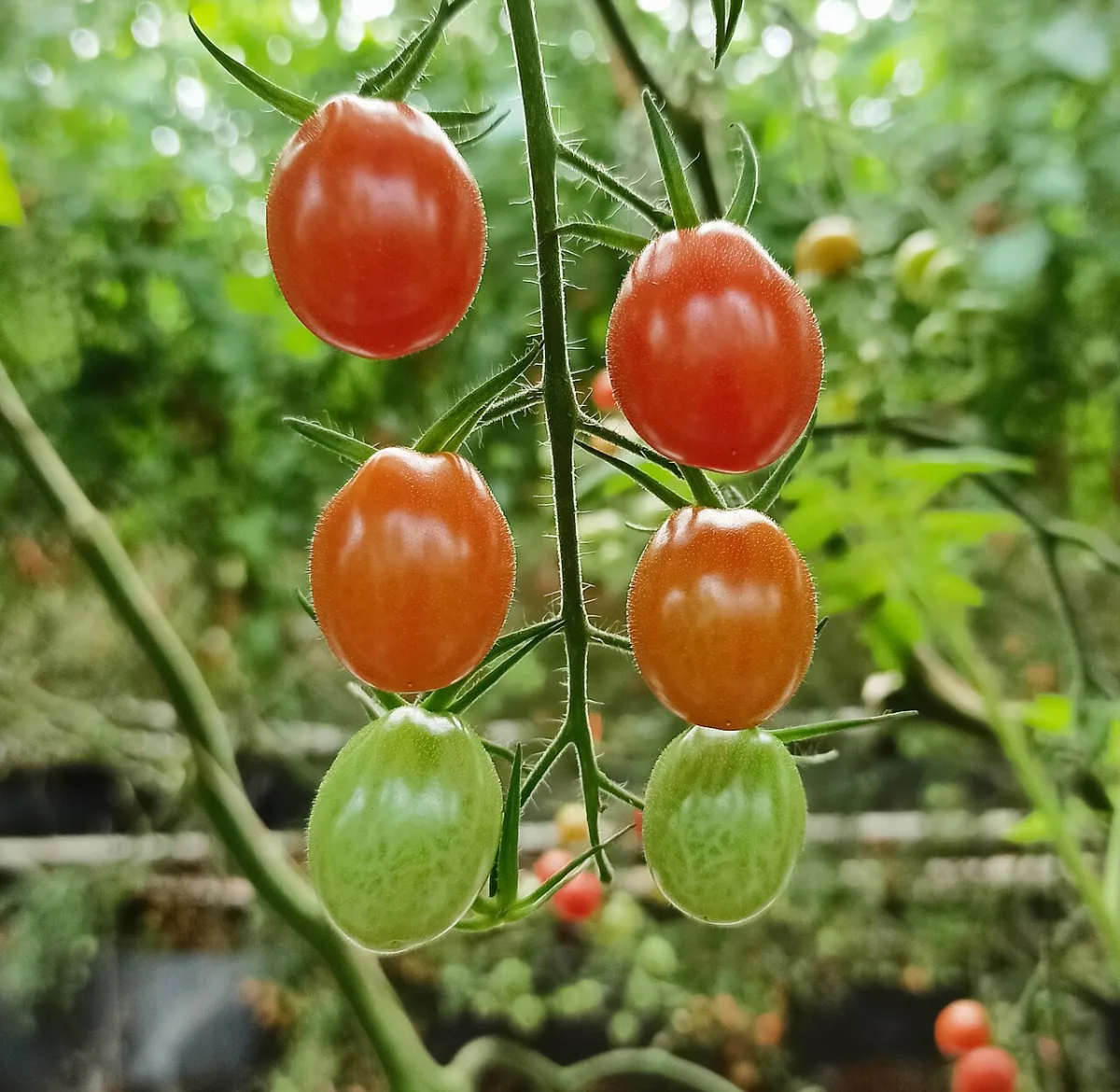
In this collection, we examine a comprehensive approach to working with soil and crops. You will learn about the role of worms in soil formation and master the technology of producing humus — a valuable organic fertilizer produced through waste processing. In addition, the collection includes material on tomato agrotechnics in a greenhouse at the end of the season. You will find practical recommendations on proper foliage pruning and methods of plant protection against diseases during the final period of the growing season. This knowledge will help you properly organize plant care and prepare the soil for future seasons.