
Safe use of pesticides in greenhouses during beekeeping
5 min read
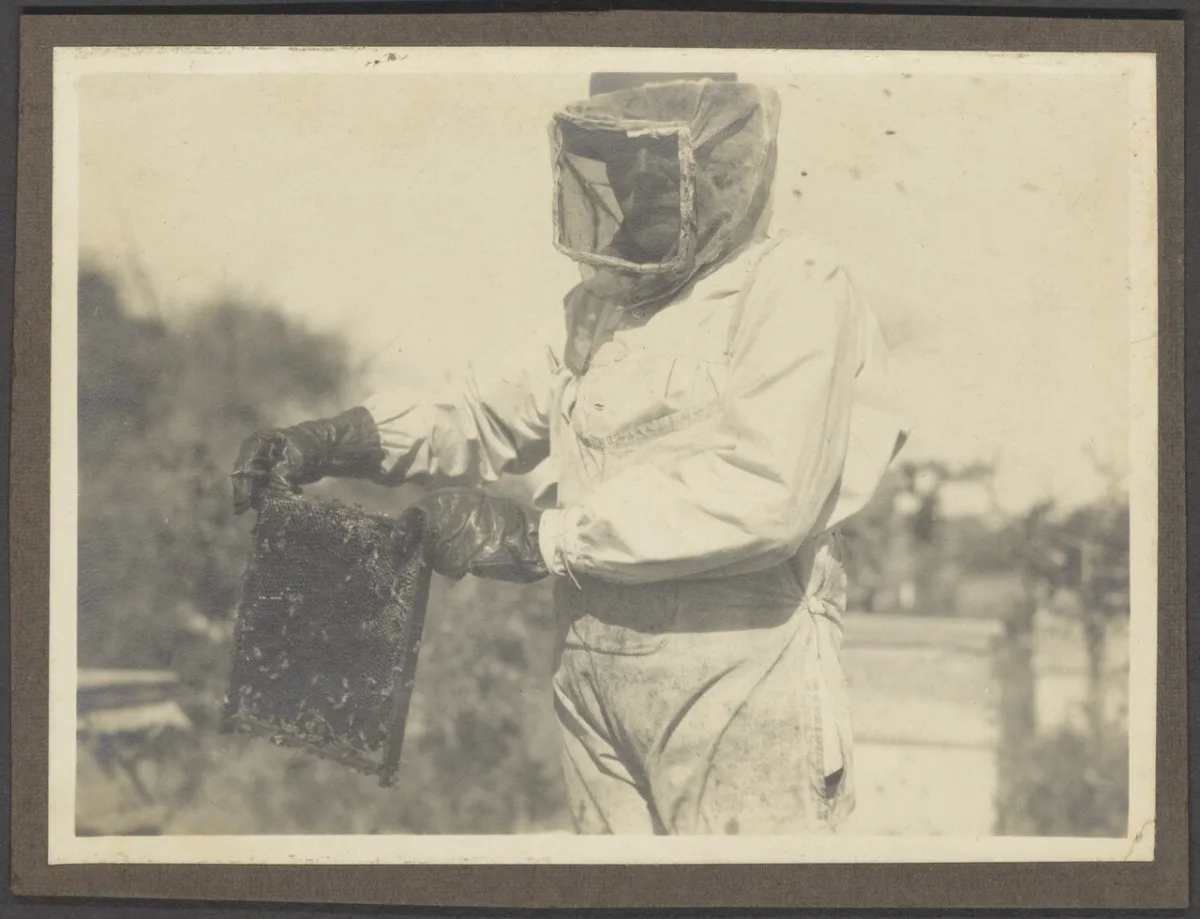
The humid and warm microclimate of greenhouses is ideal for the development of pests, so it is impossible to do without chemical treatments in protected soil. The main task of an agronomist is to delay the application of pesticides for as long as possible and minimize their harm to pollinators. To do this, it is important to choose preparations correctly based on their mode of action on insects.
According to their impact on pests and beneficial entomofauna, pesticides are divided into four groups:
- Contact — cause death upon contact with the body; most of them are harmless to bees.
- Stomach — poison insects when they collect pollen, nectar, and water; they pose the greatest danger.
- Systemic — accumulate in the vascular system of plants; they are dangerous to bees.
- Fumigant — used for fumigation of premises; they require the mandatory removal of beehives.
By following treatment regulations, it is possible to significantly expand the use of preparations in greenhouses without isolating bees. Begin spraying in the second half of the day, and in hot weather — closer to the evening. By this time, bee flight has practically ceased: pollen from male flowers has already been collected, and female flowers are fertilized and do not secrete nectar.
Perform plant treatment only on warm, sunny days. Under the influence of heat, light, and humidity, preparations decompose quickly, and by morning, newly opened flowers will be safe for bees. Treatment in cold and overcast weather leads to mass death of insects.
Preparation and isolation of bee colonies
If preparations with a long toxicity period are used for plant protection, bees will have to be isolated for several days. The most reliable way to save colonies is to move them to a safe distance. If this is not possible, the hives are isolated directly in the greenhouse, having previously prepared the nests for closing the entrances.
- Distance to the reserve apiary — at least 3–4 km
- Width of the funnel for collecting bees — 200 mm
- Length of the funnel for collecting bees — 380 mm
For weak and medium colonies, the entrances are closed early in the morning before the start of flight or in the evening when all bees have returned to the hive. To avoid overheating and suffocation of insects, the nest is prepared in a specific order:
- Spread the ceiling boards or open part of the canvas cloth.
- Completely remove the over-frame insulation.
- Place a feeder with water in the shallow super.
- Open the ventilation holes in the hive cover.
- If there is no ventilation in the cover, stretch a sparse burlap over the super, securing it with strips, and place two bars on the edges of the super to support the cover.
Strong colonies in hot weather must necessarily be removed from greenhouses to a cool wintering house, otherwise they may suffocate. If they cannot be moved, place two shallow supers on the hive (one with honeycombs filled with water) and install a ventilation frame with a mesh that bees cannot gnaw through. At night, open the entrances by placing a pillow on the ventilation mesh.
To collect the bees remaining in the greenhouse, a simple device in the form of a flat funnel-tube is used. It is installed at the entrance: passing through the funnel, the bees get to the back wall of the hive, but they cannot get back out.
| Bee collection device parameter | Size, mm |
|---|---|
| Width at the entrance | 200 |
| Length | 380 |
Read next
Beekeeping For students
Preparation of bee colonies and the wintering facility for the winter period
Beekeeping For students
Methods of attracting bees for pollination of nightshades in greenhouses
Beekeeping For students