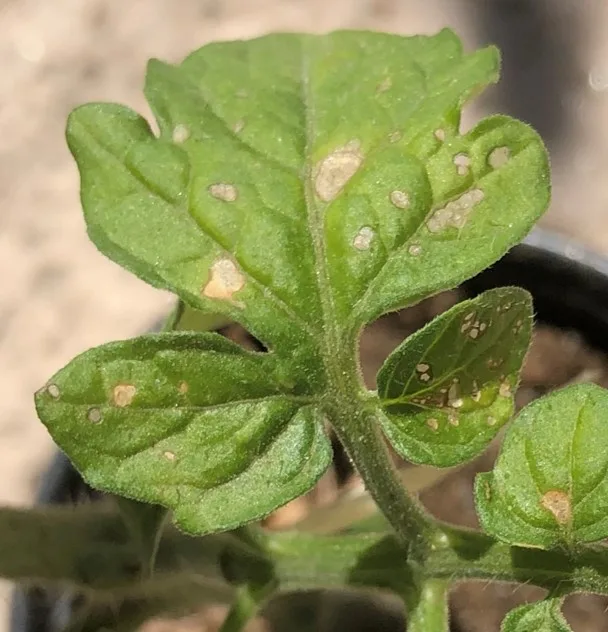
The incubation period is a latent phase of disease development during which the pathogen is already present in the body of a livestock animal or plant tissues, but clinical signs of infection are not yet apparent. Understanding this stage is critical for agronomists and livestock producers, as it is the moment when the mass spread of infection can be prevented by taking timely preventive measures before the disease becomes irreversible. Ignoring the latent stage of fungal, bacterial, or viral pathogens leads to significant economic losses and a decrease in the productivity of the agricultural sector.
This collection contains materials describing the biological characteristics of pathogens responsible for dangerous diseases in livestock animals and crops. The reader will find information on the life cycles of parasites, mechanisms of infection transmission, the influence of external factors on the rate of pathogen development, and diagnostic methods. The articles cover a wide range of issues—from diseases of tomatoes and cucumbers in a greenhouse to infectious conditions in cattle, horses, and pigs. Studying the provided data will help specialists identify threats at early stages, effectively plan plant protection or veterinary measures, and maintain normal metabolism in crops and livestock.