
Characterization of epizootiology and clinical features of strangles in horses
13 min read
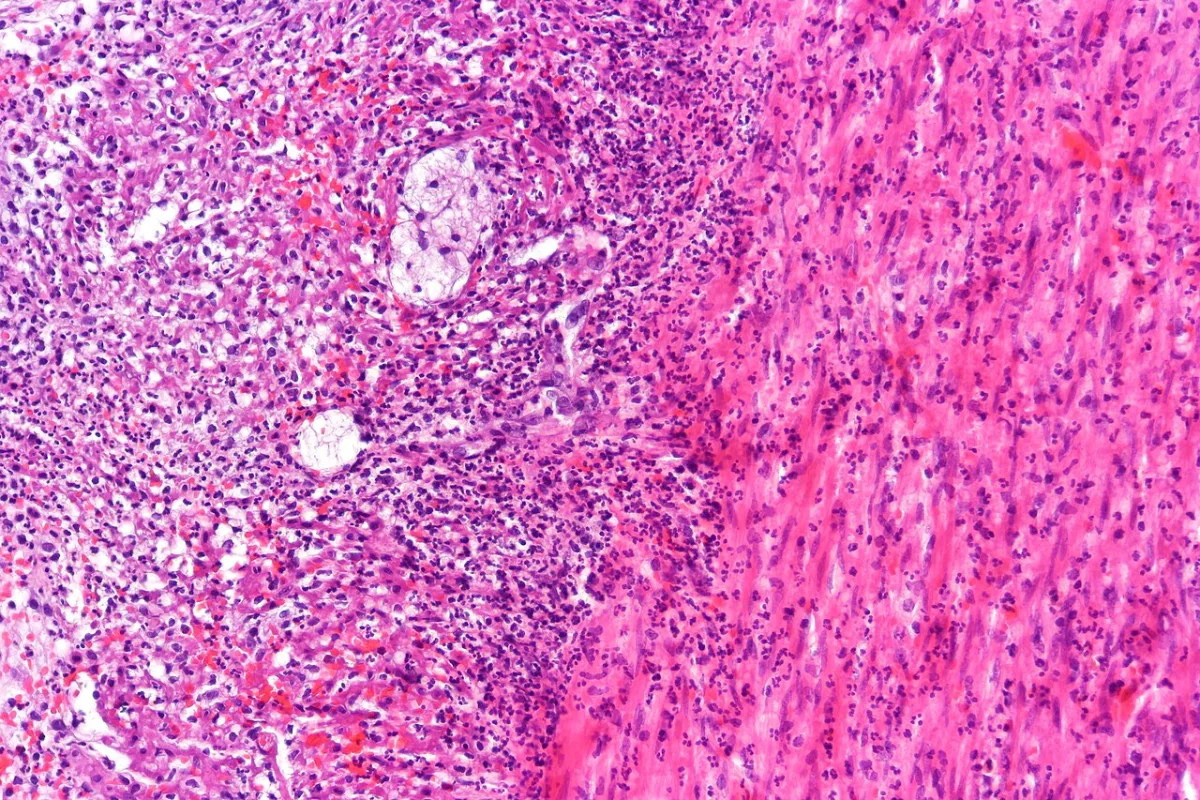
(2%), creolin (3%) reliably kill *Streptococcus equi* within 10-15 min.
Epizootiological data. Under natural conditions, only horses are affected by strangles, most often at the age of under 5 years. The source of the infectious agent is a sick livestock animal, which sheds the pathogen primarily via nasal discharge and pus from ruptured abscesses; sometimes it is found in the nasal mucus of healthy horses. Recovered animals remain carriers for more than a year. Bacterial carriage has also been established in healthy horses that have not had strangles. This explains the cases of the disease occurring without the introduction of the pathogen into the farm.
Infection of horses most often occurs via the alimentary and airborne routes. The main factors in the transmission of the pathogen are feed, water sources, pastures, feeders, and other items contaminated with the secretions of sick animals. The mortality rate does not exceed 5%. In cases of epizootic (a herd of young animals), almost the entire population of susceptible animals is affected within 2-3 months, and the mortality rate can reach 30-70%.
A significant increase in incidence is noted in autumn, winter, and especially early spring due to adverse environmental factors.
Course and symptoms. The incubation period for strangles lasts 1-15 days. The course of the disease is acute; typical, abortive, complicated (metastatic), and genital forms of strangles are distinguished.
The typical form of strangles usually begins with an increase in body temperature to 40-41°C. The animal is depressed, and its appetite is reduced. Acute inflammation of the mucous membranes of the nose and pharynx is observed: they are hyperemic and swollen. A muco-purulent exudate is abundantly discharged from the nasal cavities. Palpation of the pharyngeal area reveals severe soreness. Then a cough appears, and breathing becomes difficult and wheezing. The submandibular lymph nodes are enlarged, hot, and painful; the subcutaneous tissue surrounding them is edematous, and the skin is tense. The animal holds its head motionless in a position extended forward. By the 4th-5th day of the disease, the tension of the skin in the area of the submandibular lymph nodes decreases, softened areas appear, and fluctuation is noted. Soon, the submandibular lymph nodes rupture, and a large amount of thick, yellowish pus is discharged from them. After this, the body temperature drops to normal, and the inflammatory processes cease. The duration of the disease is 15-25 days, and the outcome is usually favorable.
In broodmares infected during natural mating, a genital form of strangles may occur, manifesting as catarrhal-purulent inflammation of the mucous membrane of the vagina, regional lymph nodes, and sometimes purulent mastitis.
The abortive form of strangles is more often registered in suckling foals with good management and in older horses (5-6 years). It is accompanied by mild inflammation of the mucous membrane of the nasal cavity and swelling of the submandibular lymph nodes without suppuration. In sick animals, a short-term increase in body temperature to 39-39.5°C is noted. The disease is benign and ends in the animal's recovery after 5-7 days.
In the complicated (metastatic) form of strangles, along with purulent inflammation of the mucous membranes of the nasopharynx and submandibular lymph nodes, the retropharyngeal, parotid, cervical, and mesenteric lymph nodes are involved in the pathological process, and metastatic abscesses appear in internal organs. The disease is accompanied by constant or intermittent fever and a sharp deterioration in the general condition of the animal.
If pus enters the trachea, aspiration bronchopneumonia occurs; the purulent process can spread to the pleura and cause pleuropneumonia.
Treatment. Sick animals are immediately isolated in a separate, dry, warm room without drafts, and the animals are provided with nutritious and easily digestible feed: grass, soft hay, rolled grain feed, root crops; in case of difficulty swallowing, a mash of bran is provided; they are given lukewarm water to drink.
Daily, irrigation of the nasal cavity is performed with warm solutions of the following antiseptics:
- potassium permanganate (1:1000);
- furacillin (1:5000);
- rivanol (1:1000);
- sodium bicarbonate (2%).
To accelerate the maturation process of the abscess, a warming compress is applied to the area of the submandibular lymph nodes. The matured (fluctuating) abscess is opened. After removing the pus, its cavity is washed with the above-mentioned antiseptic solutions.
Immunity. Horses that have recovered from strangles acquire a lasting, lifelong immunity. There are no specific agents for the artificial immunization of animals.
Prevention and control measures. For the prevention of strangles, it is necessary to ensure proper feeding of young animals, keep them in dry, well-ventilated stables, and provide daily exercise; constantly protect foals from the effects of cold-related factors (drafts, drinking from cold water sources, staying in cold rain). The transport of horses and the acquisition of forage are carried out only from farms that are free of this disease. All newly arrived horses are kept separately in preventive quarantine for 30 days.
Restrictions and quarantine measures for equine strangles
Upon the detection of strangles, a horse farm or herd is immediately declared unfavorable and placed under restrictions. The main task of the veterinary service is to prevent the spread of infection beyond the focus and to suppress the spread of the pathogen within the livestock. To do this, a total clinical examination and daily thermometry of all animals are carried out on the farm.
From the moment restrictions are introduced, it is strictly forbidden to move horses out of the affected farm, to remove feed, and to perform any regrouping of livestock animals within the farm.
Identified sick horses are immediately isolated and subjected to treatment. The remaining livestock is organized for individual housing, feeding, and watering, provided that they undergo daily veterinary examinations. The stable and the adjacent territory are thoroughly cleaned of manure, and routine disinfection is performed regularly.
Restrictions are lifted exactly 15 days after the full recovery of the last sick animal and the completion of the final disinfection of the premises.
Newcastle disease in poultry: virus resistance, symptoms, and prevention
Newcastle disease (pseudoplague) is a highly contagious viral infection affecting the respiratory, digestive, and central nervous systems. Under natural conditions, poultry from the order Galliformes are most susceptible: chickens, turkeys, guinea fowl, pheasants, and peacocks. The disease is also recorded in pigeons, sparrows, magpies, parrots, and hawks, while wild bird species, domestic ducks, and geese serve as a natural reservoir for the virus.
The primary source of infection is sick and recovered individuals. They release the virus into the environment with all secretions, excretions, eggs, and exhaled air. Shedding of the pathogen begins during the incubation period, just 24 hours after infection, and it persists in the organism of recovered poultry for 2 to 4 months. The infection is transmitted via alimentary and aerogenic routes through feed, water, air, hatching eggs, feathers, down, carcasses of emergency-slaughtered poultry, litter, and equipment.
The pathogen possesses high viability in the environment and in the bodies of mites living in poultry houses, where it remains active for up to 213 days. Long-term survival of the virus, mass viral shedding, and constant circulation between technological groups make the disease endemic to many poultry farms.
| Environmental conditions | Virus survival period |
|---|---|
| Sunlight | 2 days |
| Diffuse light | 15 days |
| Poultry houses in summer | 7 days |
| Poultry houses in winter | 140 days |
| Rotting carcasses | 3 weeks |
| Dried organs (17–18 °С) | 2 years |
| Frozen chicken carcasses | over 800 days |
Disinfectants destroy the virus in a few minutes. For the treatment of premises and equipment, 1–2% formalin solutions, a 3% bleaching powder solution, a 2% sodium hydroxide solution, or a 4–5% xylonaft-5 solution are used.
- Incubation period — 2–15 days
- Virus penetration into blood — after 20 hours
- Start of virus shedding — after 24 hours
- Viral shedding in recovered birds — 2–4 months
- Virus survival in mites — 213 days
- Gastrointestinal tract damage in the typical form — in 40–70% of birds
The infection more often occurs in the form of an epizootic with summer-autumn seasonality, which is associated with the growth of non-immune livestock. Once in the body, the virus penetrates the blood after 20 hours and affects internal organs. In the typical form, the bird develops a fever, weakness, feed refusal, and loss of orientation.
Symptoms of the affected livestock include:
- crop distension, foul-smelling fluid discharge from the oral cavity, liquid droppings mixed with mucus, blood, and bile (in 40–70% of sick birds);
- breathing with an open beak, sneezing, and wheezing due to obstruction of the airways with exudate;
- paresis and paralysis leading to neck twisting, drooping wings and tail, leg damage, ataxia, and tremors.
Treatment for Newcastle disease has not been developed and is not performed due to the high risk of spreading the infection. To protect the livestock, aerosol or drop vaccination (intranasal or to the eye conjunctiva) is used, employing virus vaccines from La Sota, H, and Bor-74 strains produced in France, Russia, and Kazakhstan.
Prevention is based on preventing the introduction of the virus via hatching eggs, poultry, feed, and litter. The poultry farm territory must be strictly fenced, and access for unauthorized persons to the premises is prohibited. If the disease is suspected, laboratory tests are conducted, and if the diagnosis is confirmed, a quarantine is imposed on the farm.
- Wash all returnable containers after the removal of meat and poultry with a hot 3% soda solution.
- Perform disinfection with formaldehyde vapors by spraying 40% formalin at a rate of 15–20 ml per 1 m³ of air.
- Maintain a 30-minute exposure time before reusing the containers.
Characteristics of the pathogen and transmission routes of canine distemper
Canine distemper is an acute contagious viral disease, representing a serious threat to dog breeding kennels and fur-bearing animal farms. The disease occurs with fever, inflammation of the mucous membranes of the eyes, respiratory and digestive tracts, and is also accompanied by pneumonia, rash, and damage to the central nervous system. In fur-farming operations, the infection can cause the death of 40–70% of adult animals and up to 70–90% of young stock. Understanding the virus's resistance and its transmission routes allows for the timely organization of sanitary measures and prevents the introduction of the pathogen into the livestock.
In the external environment, the canine distemper virus loses activity quite quickly, but it can persist for months in a frozen or dried state. In fresh nasal discharges and feces of sick livestock animals, the pathogen is inactivated within 7–11 days. Common disinfectants and physical decontamination factors destroy it in the shortest possible time.
| Period | Virus survival time |
|---|---|
| Autumn-winter | up to 275 days |
| Spring | up to 83 days |
Many species of carnivorous animals are susceptible to viral distemper: dogs, wolves, jackals, hyenas, foxes, arctic foxes, raccoons, ferrets, minks, weasels, martens, ermines, otters, and badgers. The main risk group consists of young animals — dogs under 12 months old and fur-bearing animals under 5 months old, whereas adult individuals get infected 2–5 times less often. Infected animals shed the virus into the external environment via exhaled air, eye and nasal discharges, and feces for 10–51 days. The shedding of the pathogen occurs during the incubation period, during the disease, and at the convalescence stage.
Recovered animals remain a source of danger to the healthy livestock for a long time. Dogs can shed the virus for up to 3 months, raccoons — up to 9 months, and other fur-bearing animals — from 3 to 5 months after recovery.
The primary infection occurs via respiratory and alimentary routes, and the virus is capable of spreading through the air at a distance of up to 12 m. Transmission factors include infected feed, staff protective clothing, care items, as well as rodents, birds, and insects. In nature, stray dogs and wild predators serve as a reservoir for the disease, which is why outbreaks in farms can occur sporadically or in the form of epizootics at any time of the year.
Clinical forms, course of the disease, and treatment regimen
- Incubation period in dogs — 14–21 days
- Incubation period in fur-bearing animals — 9–30 days
- Case fatality rate for the nervous form — up to 85% or more
- Post-vaccination immunity — at least 1 year
The symptomatology of the disease depends on the degree of organ damage, which is why pulmonary, intestinal, nervous, cutaneous, and mixed forms are distinguished. By the nature of its course, the disease can be acute, subacute, chronic, and abortive. In the acute form, body temperature rises rapidly to 41–42 °C, the animal falls into a comatose state and dies on the 2nd–3rd day (this course is rare). In the abortive form, clinical manifestations are limited to mild malaise for 1–2 days, and the average case fatality rate for distemper is about 50%.
The subacute course is accompanied by high temperature for 1–2 days, depression, lethargy, muscle tremors, and dryness of the nasal planum. On the 2nd–3rd day, serous-mucous and purulent discharges from the nose appear, drying into crusts, which causes the animals to cough, sneeze, and scratch their noses with their paws. The intestinal form manifests itself with bouts of vomiting, constipation, and severe mucous or bloody diarrhea, while the dogs emit a foul odor. In the cutaneous form, a pustular rash forms on the abdominal wall, thighs, ears, and around the mouth, drying into brown crusts.
The chronic course most often develops with the nervous form of the disease. Recovered animals may have lifelong convulsive muscle twitching, paralysis, paresis, blindness, deafness, loss of smell, corneal scarring, or atrophy of the eyeball.
For specific therapy of sick animals, the "Giskan-5" serum is used as prescribed by a veterinary specialist. Comprehensive treatment includes antibacterial drugs to suppress secondary microflora, symptomatic agents (antipyretics, sedatives, cardiacs, laxatives), and stimulating therapy (B-group vitamins, cocarboxylase, aloe, UV irradiation). This approach helps reduce the risk of severe complications and animal death.
After recovery, animals develop a persistent lifelong immunity. With vaccination, protection is generated within 10–21 days and lasts at least one year. Puppies born to timely vaccinated mothers remain immune to viral distemper until 28 days of age. By the 70th day of life, maternal immunity decreases and up to half of the puppies can get sick, and by the 150th day, susceptibility is restored in most of them.
Prevention and control measures. Vaccines of domestic ("Multican-4", "Multican-6") and foreign production ("Biovac", "Hexacanivac", etc.) are used successfully. In healthy fur farms, all carnivorous animals are vaccinated annually with one of these vaccines: the main herd — one month before the start of the breeding season, young animals — from 2 months of age. Dogs and fur-bearing animals belonging to other organizations or the public are also subject to annual preventive vaccination.
In the event of distemper in animals, a quarantine is imposed on the farm, nursery, settlement, block, or street. Under the terms of the quarantine, regrouping, import and export of susceptible animals are temporarily prohibited, as well as their weighing, tattooing, and other activities that increase the risk of spreading the infectious pathogen. Sick and suspected sick animals are immediately isolated and treated (or culled). Clinically healthy adult animals are vaccinated, regardless of the time of year or age.
After isolating sick livestock animals, cages, houses, enclosures, the soil under the cages, equipment, and protective clothing are disinfected. Manure is neutralized via biothermal treatment. Hides are removed from dead animals in the isolation ward, dried for three days at 25—33°C, and then kept for 10 days at room temperature. Carcasses of dead animals are burned.
The quarantine is lifted 30 days after the last case of recovery or death of an animal from plague and the completion of final disinfection. The export of dogs is permitted 1.5 months later, and fur-bearing animals — 6 months after the quarantine is lifted.
Questions and self-study assignments: 1. Define epizootiology, infection, infection reservoir, and epizootic focus? 2. What are the links in the epizootic chain, and what role do they play in the epizootic process? 3. Characterize specific prophylaxis of infectious diseases? 4. How does quarantine differ from restrictions? 5. Describe anthrax, control and prevention measures. 6. Characterize foot-and-mouth disease, control and prevention measures. 7. Describe tuberculosis, control and prevention measures. 8. Characterize brucellosis, control and prevention measures. 9. Describe rabies, control and prevention measures. 10. Describe leptospirosis, control and prevention measures. 11. Characterize trichophytosis, control and prevention measures. 12. Characterize erysipelas, control and prevention measures. 13. Characterize classical and African swine fever, control and prevention measures. How do they differ, and why are they dangerous? 14. Describe strangles, control and prevention measures. 15. Describe Newcastle disease, control and prevention measures. 16. Characterize canine distemper, control and prevention measures.
Read next
Veterinary medicine For students
Fundamentals of epizootiology and patterns of the epizootic process in livestock animals
Veterinary medicine For students
Etiology of brucellosis and features of the infectious process in livestock animals
Veterinary medicine For students