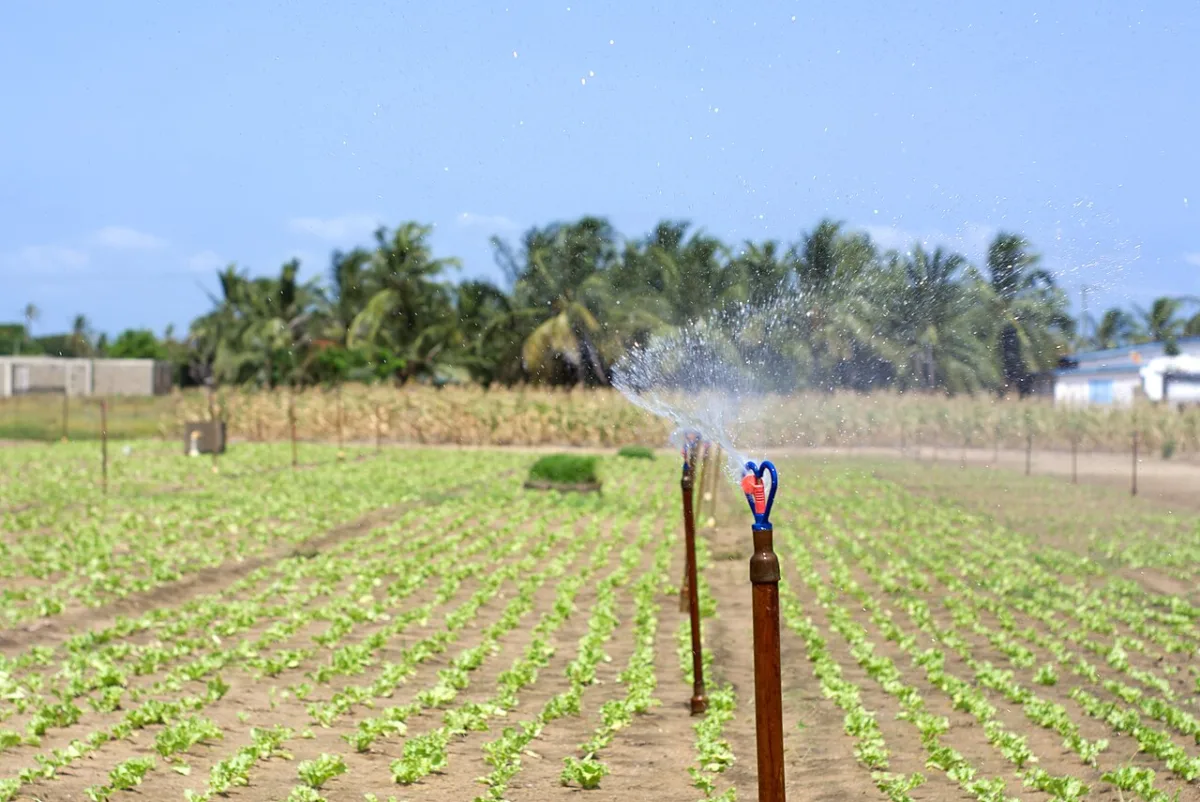
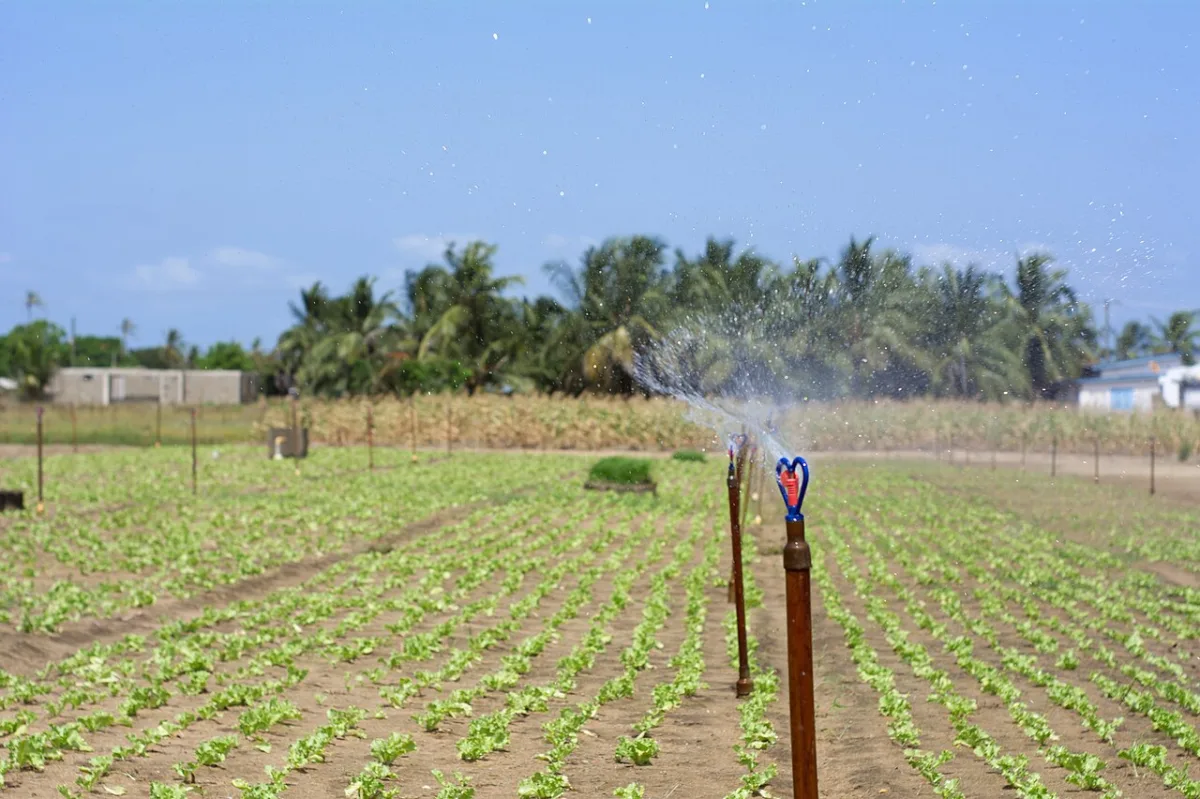
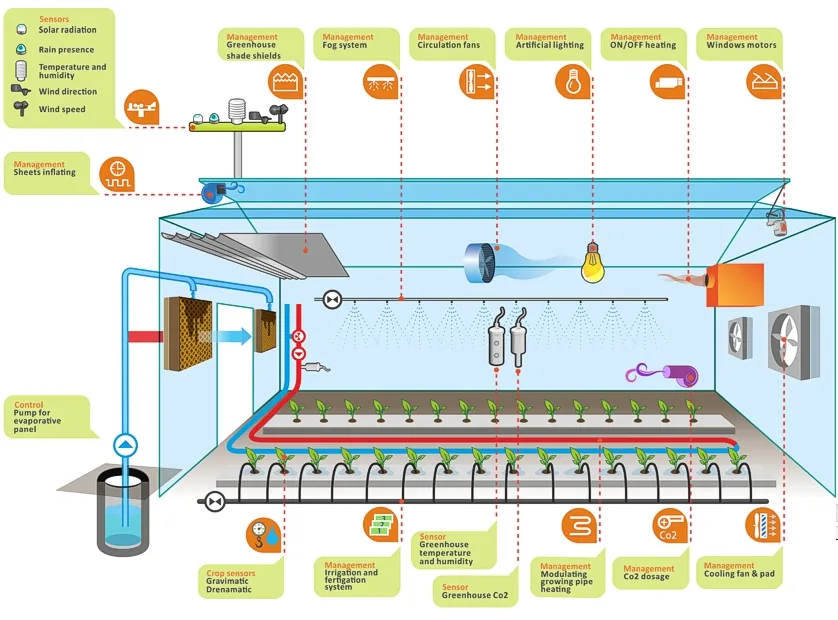
Irrigation is a key tool in modern agriculture, allowing for the balancing of moisture supply with the biological needs of crops and variable weather conditions. For agronomists and industry specialists, effective water management is a way to achieve planned yield, ensure rational use of land resources, and maintain food security. A competent approach to land reclamation requires taking into account soil and climatic factors, integrating information planning systems, and applying technologies that minimize environmental risks.
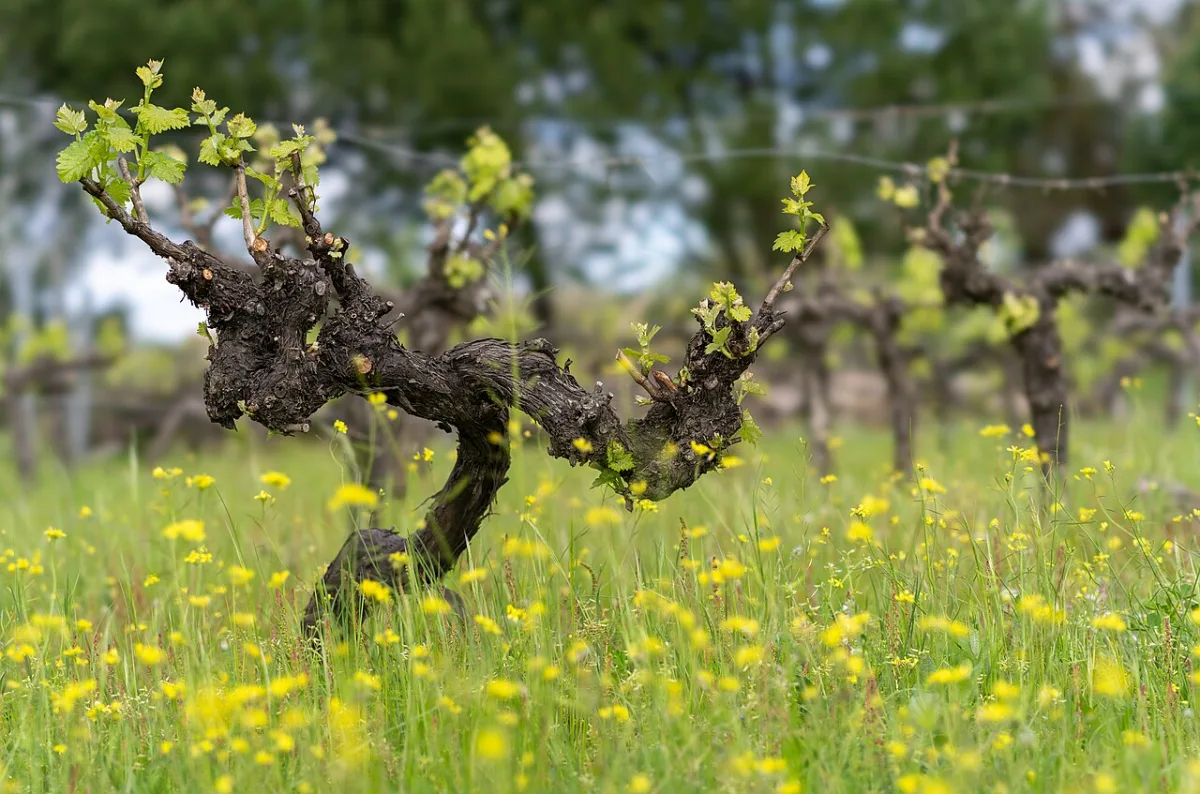
This collection gathers materials covering a wide range of topics: from methods of ecological and economic assessment of irrigation systems to operational irrigation scheduling using meteorological data. Readers will find here both theoretical foundations for calculating water balance and practical recommendations for implementing modern technologies, including subsurface irrigation of vineyards and the use of wastewater as an additional resource. The presented articles will help to make informed choices of technical equipment, optimize water use regimes, and increase the productivity of agricultural plantings based on scientific and technical developments and many years of climate data analysis.