Concept · 20 articles

Inter-row spacing

The inter-row space is a key area in the agrotechnics of perennial plantations, and its proper maintenance directly affects the condition of the root system, soil moisture balance, and plant productivity. Competent management of this space helps to mitigate soil compaction from agricultural machinery, prevent erosion, and effectively regulate crop nutrition. For both agronomists and amateur gardeners, choosing a strategy for inter-row maintenance — whether it be deep loosening, mulching, or using vegetation cover — is the foundation for maintaining soil fertility and the key to obtaining a high-quality harvest in orchards and vineyards.

This collection gathers materials covering practical aspects of working with inter-row spaces in both industrial and amateur gardening and viticulture. You will find expert recommendations on optimizing the soil regime, including methods for deep loosening and moisture conservation. In addition, the articles cover related technological issues: from canopy formation in fruit trees and plant nutrition systems to modern methods of sowing and harvesting. This compilation will serve as a reference guide for those striving to implement science-based approaches to organizing their site space to increase production efficiency.

Fruit growing For agronomists

Soil management systems in orchard inter-rows

The physiological state of trees and harvest quality depend on proper inter-row maintenance. This article examines methods of soil fertility management, including the black fallow technology and principles of water regime regulation in the orchard.

Viticulture For agronomists

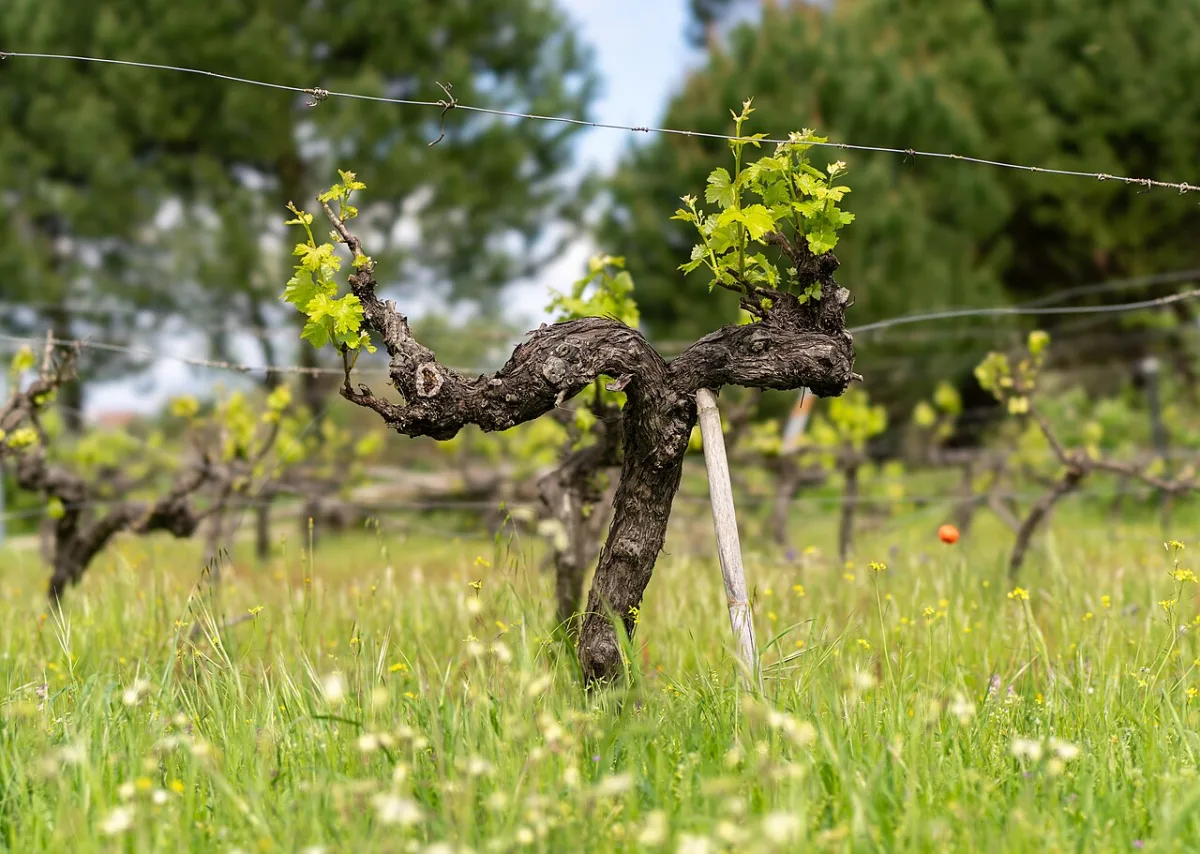
Renewal of soil tillage by deep loosening of vineyard inter-rows

Regular deep loosening of the soil in vineyard inter-rows allows for compensating for soil compaction caused by machinery and stimulates the development of the root system. This method ensures optimal moisture accumulation and the long-term maintenance of the productivity of fruiting plantings.

Viticulture For agronomists

The state and characteristics of modern viticulture in France

The article describes the current state of the French viticulture industry, including the distribution of plantings by climatic zones and the specifics of growing cultivars for winemaking. The reader will learn about the features of the technologies used, the structure of the cultivar composition, and the key wine-producing regions of the country.

Farm machinery For agronomists

Technological foundations and methods of crop sowing

The article describes key aspects of seed preparation and technological requirements for sowing. You will learn how the sowing depth and seed treatment methods affect the uniformity of emergence and future yield

Fruit growing For agronomists

Influence of mulching on the water regime and yield of apple trees

Mulching is an effective method for regulating the soil moisture regime in a young orchard, outperforming other maintenance methods in its results. The article examines the results of an experiment studying various mulching materials to improve the stability of apple tree fruiting in the south of Russia

Vegetable growing For gardeners

Agrotechnology for cultivating grain legumes in a home garden

Legume crops enrich soil fertility with nitrogen and are valued for their high protein content. The article covers the rules for seed treatment, fertilizer application, and temperature conditions necessary for successful cultivation of peas, beans, and fava beans

Greenhouses and covers For agronomists

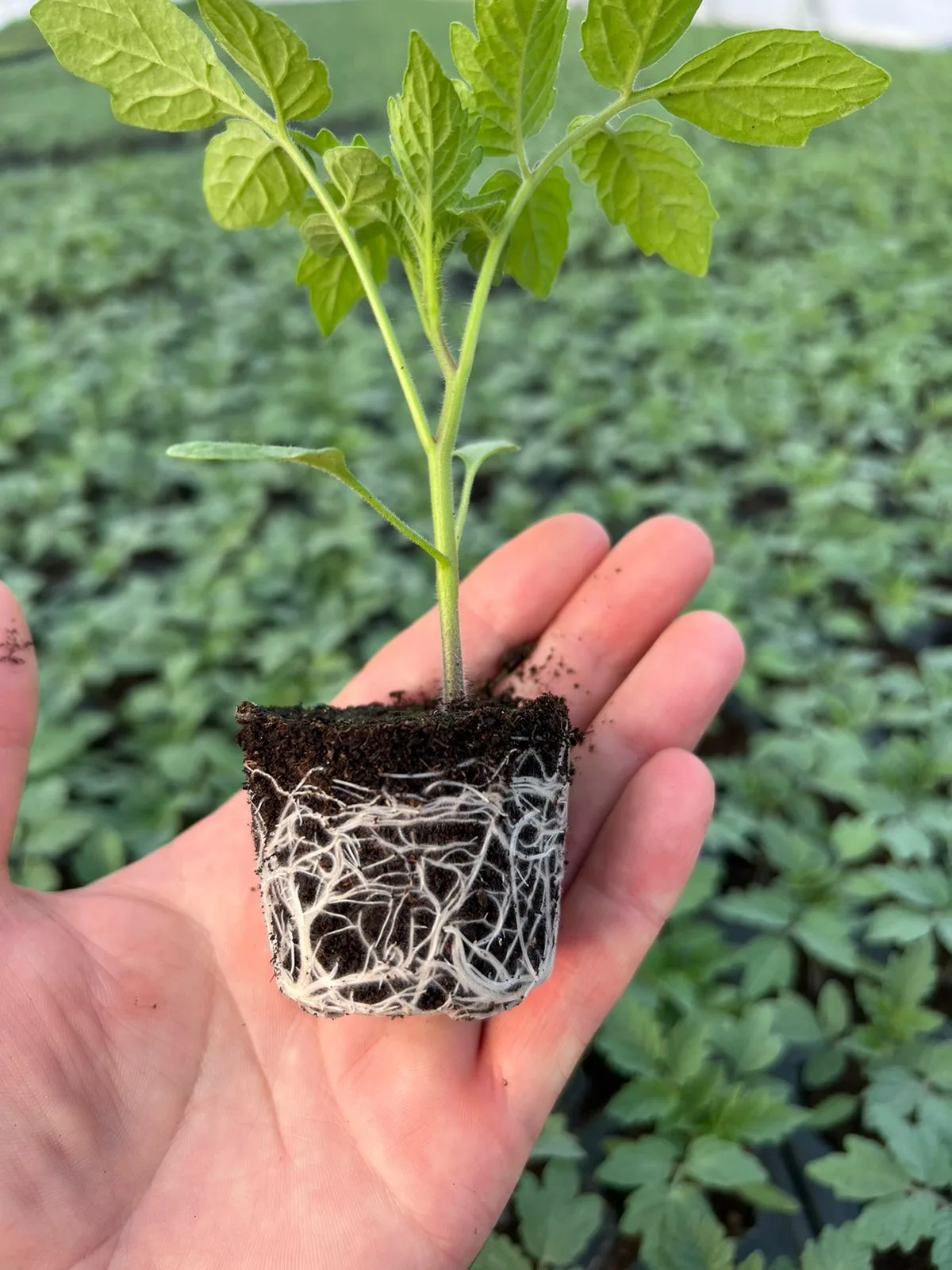
Technology for growing tomato transplants and the fluid sowing method

The article presents development standards for high-quality tomato transplants without picking and a step-by-step instruction on applying the energy-saving fluid sowing method in greenhouses. You will learn how to prepare soil, fertilizer, and seed to reduce the time to emergence

Pruning and training For agronomists

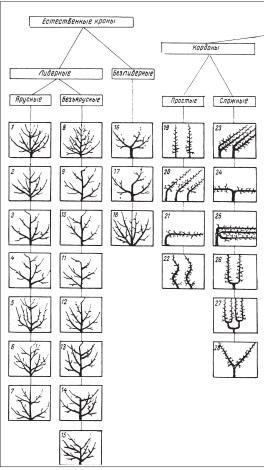
Types and features of natural canopy formation for fruit trees

The correct choice of canopy shape determines not only the convenience of harvesting but also the longevity of the fruit tree. The article examines the key features of natural and artificial structures, as well as their advantages and disadvantages in orchard management