Potassium sulfate is one of the most sought-after chlorine-free mineral fertilizers in modern agricultural technology. Its key role lies in optimizing the potassium nutrition of plants, which directly affects harvest quality, crop resistance to adverse environmental factors, and the proper progression of physiological processes. For agronomists and practicing gardeners, understanding the principles of how this fertilizer works is essential for developing balanced top dressing schedules that account for the specific needs of vegetable, melon, and ornamental crops at various stages of their growing season.
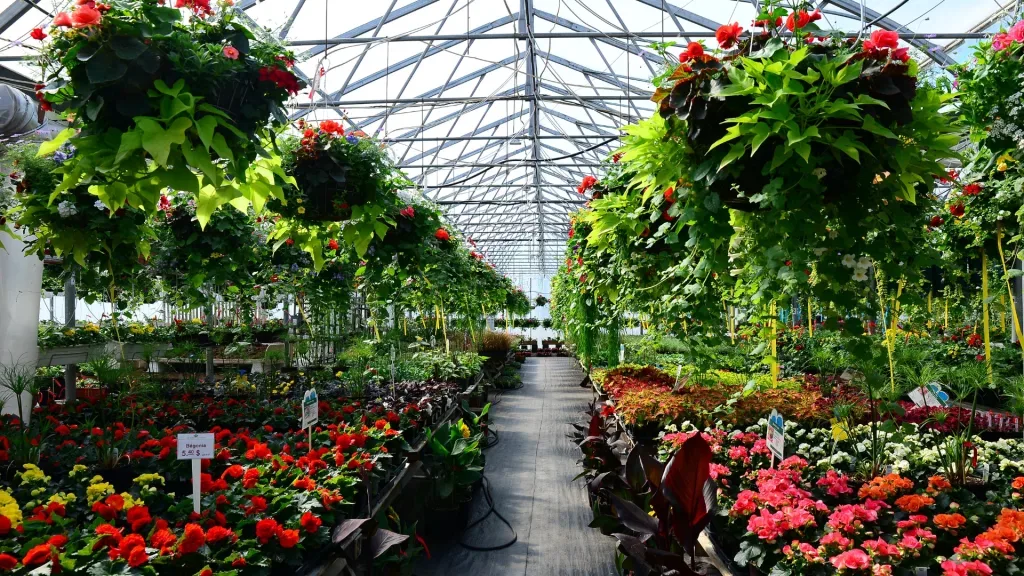
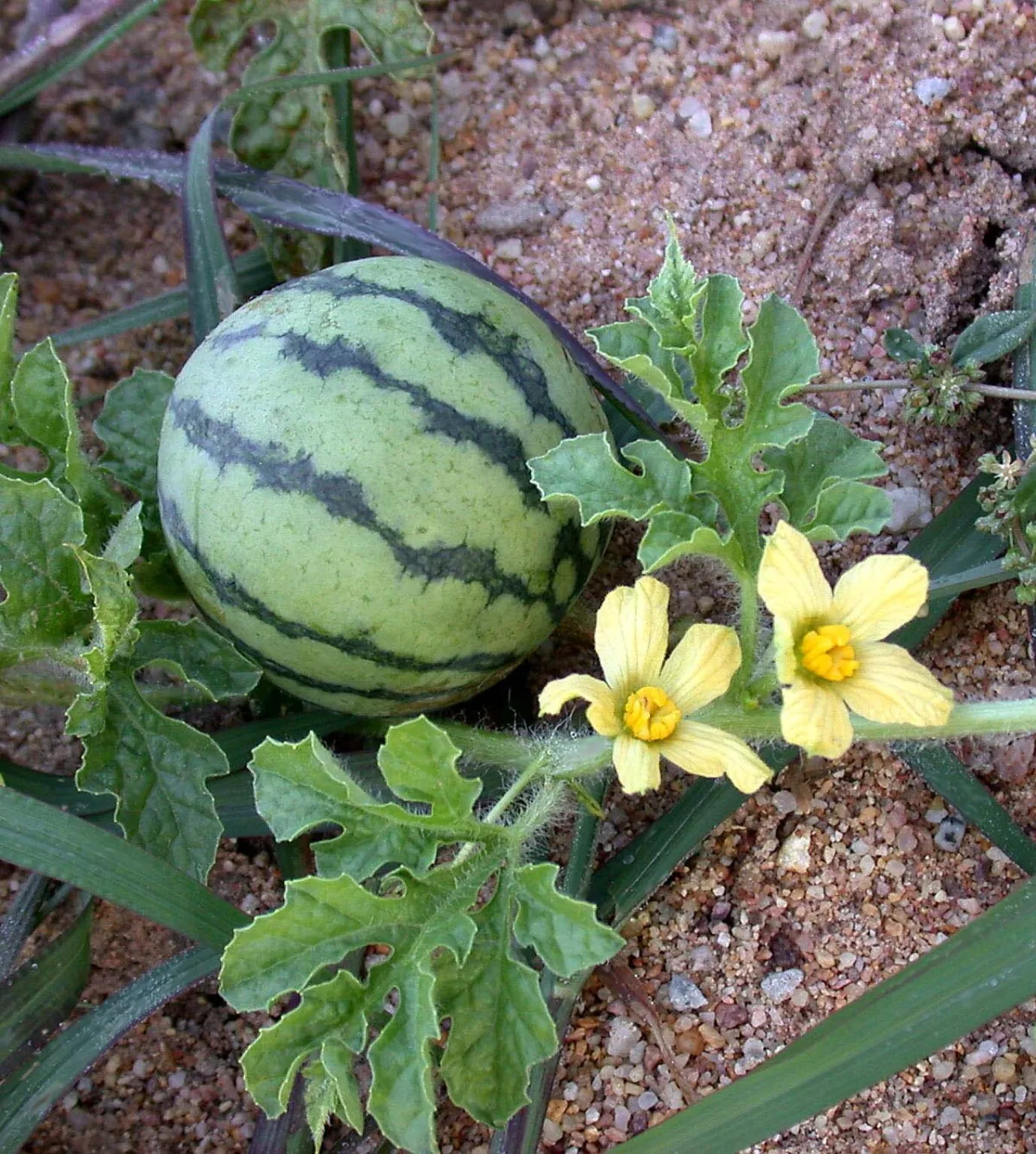
This collection contains materials covering issues of mineral nutrition in greenhouse and open-field cultivation. Readers will find here recommendations for creating fertilization systems for tomatoes, nuances of growing early white cabbage, as well as methods for agrochemical analysis of greenhouse substrates for floral crops. Special attention is paid to technologies that allow for the effective application of fertilizers when cultivating popular fruit and vegetable crops, such as watermelons and melons. These articles will help integrate the use of potassium sulfate into an overall strategy for obtaining a high-quality harvest.