
Agrochemical analysis of substrates and methods for calculating fertilizer application rates for floral crops
71 min read
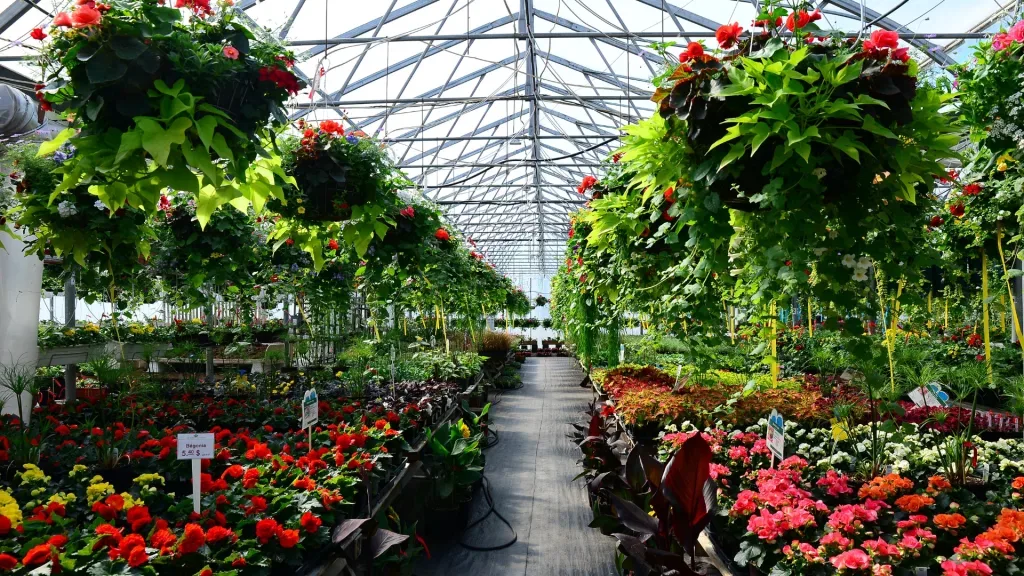
Developing a rational fertilizer system for floral crops in greenhouses begins with a chemical analysis. Greenhouse substrates consist of a mixture of organic and mineral components, which is why their properties differ significantly from natural soils. The main difference lies in their density. Because of this, nutrient availability in a substrate is calculated in milligrams per 1 liter of volume (mg/l), rather than per kilogram of dry matter (mg/kg), as is standard for field soils.
How to properly evaluate the nutritional value of greenhouse soils
To obtain reliable data, the analysis method must be selected according to the soil type upon which the substrate is based. Chemical reagents used to extract plant-available elements vary by zone:
- in the podzolic soil zone, phosphorus and potassium are determined using the Kirsanov method (using a 0.2 N hydrochloric acid extract);
- in the non-carbonate chernozem zone — using the Chirikov method (using 0.5 N acetic acid);
- in the carbonate chernozem, chestnut, brown, and sierozem soil zone — using the Machigin method (using 1% ammonium carbonate).
For all soil types, nitrate nitrogen, calcium, and magnesium content are determined in a water extract. Ammonium nitrogen is measured after pH determination in a 1 N potassium chloride (KCl) extract. Due to the different extraction methods, absolute values recalculated per 1 l of substrate will differ.
In floriculture, the Dutch method is common — determining easily available elements in a water extract with a volume ratio of substrate to water of 1:2. For crops with moderate salt tolerance, the following indicators are considered optimal using this method:
- Nitrogen (N) — 80–150 mg/l
- Phosphorus (P2O5) — 30–40 mg/l
- Potassium (K2O) — 150–200 mg/l
- Magnesium (Mg) — 50–80 mg/l
When calculating fertilizer application rates before planting roses, carnations, or chrysanthemums, an agronomist must rely on optimal nutrient levels established for the specific substrate analysis method.
| Substrate soil type | Analysis method (for P and K) | Carnation, chrysanthemum (mg/l) | Rose (mg/l) | ||||
|---|---|---|---|---|---|---|---|
| Nmin | P2O5 | K2O | Nmin | P2O5 | K2O | ||
| Podzolic soils, peat | Kirsanov | 150–250 | 600–800 | 400–600 | 100–200 | 500–800 | 400–600 |
| Non-carbonate chernozems | Chirikov | 100–150 | 250–400 | 350–500 | 80–150 | 250–400 | 300–450 |
| Carbonate chernozems, sierozems, chestnut soils | Machigin | 100–150 | 100–200 | 500–800 | 60–150 | 80–150 | 500–700 |
Specifics of fertilizer application and salinity control
The behavior of individual elements in the substrate dictates specific rules for fertilizer application. For example, phosphorus is effectively held by the soil, so its entire annual requirement can be applied in one go during the initial preparation of the substrate before planting flowers. However, it is important not to exceed the application rate.
Excessive phosphorus content in the substrate blocks the uptake of iron, manganese, and nitrate nitrogen by plants. Nitrates are the primary available form of nitrogen in greenhouses. The exception is during periods of soil cooling, when ammonium nitrogen can accumulate.
Nitrogen and potash fertilizers sharply increase the concentration of salts in the root zone. At the same time, they are easily leached during heavy irrigation and good drainage. To avoid root burns and nutrient deficiency, a portion of the nitrogen and potassium is applied before planting, and the rest is given fractionally with irrigation water.
If you are using substrates with a high proportion of sawdust, bark, or straw, remember: this organic raw material has a low cation exchange capacity and weak buffering. On such soils, salt concentration must not be raised as high as on peat or humus.
The permissible limit for salt content directly depends on the density and amount of humus in the substrate. In practice, the following critical thresholds for total water-soluble salt concentration have been established:
- for crops with moderate salt tolerance on medium-density soils with a low organic fraction (density 0.8 g/cm³) — 5.5 g/l;
- for crops with moderate salt tolerance on high-moor peat — 7 g/l;
- for salt-tolerant crops on medium-density soils (density 0.8 g/cm³) — 6 g/l;
- for salt-tolerant crops on high-moor peat — 8 g/l.
N 150–250 150–250 150–250 150–250 150–300 150–300 80–120 P 120–200 250–400 120–200 120–200 150–200 150–200 50–100 K 300–450 350–500 300–450 350–500 400–600 350–500 80–160 2500– 4500– 3500– 2300– 2800– 2600– 500– Ca 4500 6000 4500 4200 4200 3800 1000 Mg 550–700 700–900 550–760 400–700 500–800 400–600 100–150 800– Fe 150–250 1600 150–250 150–250 150–400 150–200 120–200 Cu 8–16 8–15 12–16 10–15 10–15 10–20 10–15 Zn 8–16 30–60 8–16 8–16 8–16 6–10 4–8 Mn 12–16 80–150 8–16 8–16 6–10 6–10 4–8 Mo 0,1–0,25 0,08–0,2 0,04–0,1 0,08–0,2 0,08–0,2 0,08–0,2 0,08–0,2 B 1,5–2,5 1–2 1,5–2,5 1–2 1,5–2,5 1,5–2,5 1–2 Cl ≤ 100 ≤ 100 ≤ 100 ≤ 100 ≤ 100 ≤ 100 ≤ 100 pH 6–6,8 5,8–6,5 4,5–5 5,5–6,5 5,5–6 5,2–6 4–4,5 Total salt concen- tration 2,5–3,5 2,5–3 1,5–2,5 1,5–3 2,5–4,5 1,5–3,5 0,5–1
Notes: 1. Analyses are conducted in a 1 N HCl extract. 2. Optimal substrate composition for gerbera is provided according to L. Gutmane, for other crops — according to V. Nollendorf. 3. To convert P content to P2O5, a coefficient of 2.29 should be used, and for K to K2O – 1.2.
The lower limit of optimal nutrient content is maintained in compacted soils, in areas with newly planted crops, and at the beginning and end of the growing season for perennial crops; the upper limit is maintained in loose soils enriched with organic matter during the period of intensive growth.
The content of calcium and magnesium in all soils is generally determined in a water extract. For non-calcareous soils, the optimal content is 60–120 mg/L of Mg and 350–500 mg/L of Ca. In the zone of calcareous soils, the content of these elements, and primarily calcium, is higher.
The application rates of fertilizers are determined based on the results of substrate analyses and the nutrient content in plants, taking into account their stage of development. Based on this, fertilizer rates for top dressing are adjusted and calculated.
The nutrient content in plants is evaluated using the leaf diagnostic method (Table 213; Visyashcheva L.V., Sokolova T.A., 1991).
Table 213 – Nutrient content in leaves (macronutrients – in %, micronutrients – in mg/L) Element Poin- Car- Chrysan- Fre- Rose Azalea settia nation themum esia
N 3–4.5 3–4.5 2.5–3.5 3–4.5 4–5.5 3.5 3.3 2.5 2 P 0.25–0.5 0.25–0.5 0.3–1 0.25–0.5 0.3–0.6 0.6 1.2 0.3 ≥ 0.3 K 2.5–5 1.8–2.6 2.2–4.3 2.5–5 3.5–5.5 2.4 3.2 2.5 0.8 Ca 1–2 0.8–2 1.6–2.2 1.2 0.5–1 1.1 0.7** 1 0.22–2.6 Mg 0.25–0.2 0.25–0.5 0.8–1.2 0.25–0.5 0.5–0.8 0.6 0.3 0.4 0.17 Fe 120–300 120–300 120–250 120–30 120–300 161 183 150 100–400 Cu 10–20 8–16 6–30 10–20 10–20 7 14 12 8–20 Zn 30–80 20–50 100–150 30–80 40–100 33 63 40 30–80 Mn 50–150 50–100 150–250 50–150 50–150 61 109 60 ≥ 100 Mo 1–5 1–5 1–5 1–5 1–5 3 2.4 3 1–20 B 30–60 30–60 30–60 30–60 30–60 31 51 60 30–80
*Crops that do not have scientifically developed "optima" for nutrient content in leaves. Average data from the best-performing plants are provided. **At this calcium level, signs of deficiency partially appear on the leaves.
For leaf diagnostics, young leaves that have just finished growing and reached normal size are sampled. For carnation, the fifth pair of leaves from the shoot apex is taken for analysis at the end of the budding stage, when the bud color can be determined. At the same phase, rose leaves are sampled – the upper trifoliate leaves and the first pentafoliate leaf.
Fertilizers are applied in spring or autumn during tillage, incorporating them into the root zone depth, as well as directly into planting holes or furrows. During the growing season of flowering plants, root and foliar top dressing is performed.
The effectiveness of mineral fertilizers depends on the application rates, timing, and methods (Table 214; Visyashcheva L.V., Sokolova T.A., 1991). Humidity, acidity, and the soil texture are also of great importance.
Fertilizers for top dressing are best applied in dissolved form. The most favorable conditions are created when using aqueous solutions with an osmotic pressure of 100 kPa. Depending on the type of fertilizer, such a solution is formed at different salt concentrations. To obtain a solution with an osmotic pressure of 100 kPa in 1 m3 of water, one of the following fertilizers must be dissolved, kg: ammonium nitrate – 1.8; ammonium sulfate – 2.0; calcium nitrate – 2.7; potassium nitrate – 2.3; potassium sulfate – 2.6; magnesium sulfate – 5.4; urea – 2.6; sodium nitrate – 1.9; potassium carbonate (potash) – 2. For adult plants during the intensive growth period, the osmotic pressure can be increased to 130–150 kPa; for young ones, it should be reduced to 50 kPa.
Table 214 – Approximate application rates of mineral fertilizers for flowering crops, g/m3 Fertilizer Application rate Fertilizer Application rate
Ammonium nitrate 15–25 Potassium chloride 9–11 Urea 10–15 Nitroammophos 40–50 Simple superphosphate 25–33 Ammophos 40–50 Potassium sulfate 10–15 Nitrophoska 40–60
Along with macronutrients, greenhouse soils and plants must be supplied with micronutrients, the deficiency of which manifests both when they are lacking and when there is an unbalanced content of other elements. For example, a lack of iron, manganese, and zinc is often a consequence of an excessive content of calcium and phosphorus.
Features of micronutrient nutrition and top dressing regimes
In acidic greenhouse soils, manganese converts into a mobile form, which creates a risk of toxicity for plants. Copper and zinc in humus-rich substrates and peat are bound by humic substances into poorly accessible organic complexes. Under such conditions, it is necessary to apply copper and zinc fertilizers or perform top dressing. The availability of molybdenum also drops sharply in an acidic environment due to binding with the organic part of the soil, so it is additionally added to soils.
Substrates rich in manure and humus are usually well supplied with micronutrients. When using sphagnum peat, its stable composition allows for accurate calculation and specification of micronutrient fertilizer doses.
For scheduled top dressings, which are carried out 1 to 3 times per season, specialized aqueous solutions of micronutrients are used.
| Micronutrient fertilizer | Dosage, g/m³ of water |
|---|---|
| Boric acid | 5–15 |
| Iron sulfate salts | 40–80 |
| Copper | 2–5 |
| Manganese | 6–8 |
| Zinc | 2–3 |
| Ammonium molybdate | 0.3–0.5 |
If the root system cannot fully assimilate nutrients — for example, due to substrate cooling or lack of light — foliar top dressing is most effective. For foliar spraying, tank mixtures are prepared with the following element dosages.
| Fertilizer | Application rate per 1 m³ of water / Solution concentration |
|---|---|
| Superphosphate | 1–1.2 kg |
| Ammonium nitrate | 0.8–1 kg |
| Potassium sulfate | 0.7–1 kg |
| Urea | up to 2 kg |
| Magnesium sulfate | 1.5–2 kg |
| Ferrous sulfate | 0.1–0.5 % |
| Boric acid | 0.1–0.2 % |
| Copper sulfate | 0.02–0.05 % |
| Zinc sulfate | 0.05–0.15 % |
| Manganese sulfate | 0.05–0.1 % |
| Ammonium molybdate | 0.01–0.02 % |
When planning a nutrition system, consider the biological characteristics of the crops and their growing season phase. For most flowers, regular application of complete mineral fertilizer (NPK) provides the maximum effect. The procedure for working with top dressing is built on the following stages:
- Wait for full rooting of the plants after planting (at least two weeks).
- Apply nitrogen fertilizers at the initial growth stage.
- Apply phosphorus fertilizers during the budding phase.
- Apply potassium fertilizers during the formation of fruits, tubers, or bulbs.
Do not apply top dressing to freshly planted, diseased, or dormant plants. Apply fertilizers strictly after evening irrigation before sunset. In cold and rainy weather, top dressing is not carried out due to its extremely low efficiency.
The frequency of fertilizer application depends on the development rate of the crop. Slow-growing species are fertilized once every ten days, fast-growing and large ones — twice every ten days. For flowering crops, regular top dressing begins from the moment buds appear and continues until the end of flowering.
Nutrient Deficiency Diagnostics and Hydroponic Cultivation
For successful cultivation, it is important to recognize the imbalance of nutrients in time. Any deviations from the norm manifest as changes in the appearance of vegetative and generative plant organs.
| Appearance of the plant or its parts | Cause of deviation |
|---|---|
| Stunted plants, poor leaf development, yellowish leaf color | Nitrogen deficiency |
| Stunted plants, poor leaf development, grayish leaf color | Phosphorus and potassium deficiency |
| Tall spindle-shaped plants with gray-green leaves | Poor water supply, excess soluble salts, lack of light at the ground level, dense planting |
| Chlorosis (uniform yellowing of the leaf) | Iron deficiency, excess magnesium, calcium, sodium, and potassium carbonates, manganese excess |
| Leaf spotting (chlorosis) starting at the midrib | Magnesium deficiency |
| Yellowing and death of leaves starting at the edges and moving inwards | Potassium deficiency |
| Yellowing and death of leaves starting at the vein edges and spreading throughout the leaf | Nitrogen deficiency |
| Premature leaf drop | Calcium, magnesium deficiency |
| Rich green foliage and large thick stems | Abundant nitrogen supply |
| Dark-colored leaves prone to curling | Potassium deficiency relative to nitrogen |
| Leaf spotting, sometimes dark green, sometimes gray in color | High soil acidity |
| Very weak roots | Calcium or phosphorus deficiency, air, moisture, clay soil |
| Many fibrous root formations | Good air access, sandy soil |
| Delayed seed ripening | Excess water, nitrogen, phosphorus deficiency |
| Seeds do not ripen | Severe potassium deficiency |
When switching to the hydroponic method of cultivation, nutrient management is fully automated. Nutrient solution is prepared every 2–3 months, and its composition is mandatory adjusted every 7–15 days. The solution should have a stable slightly acidic reaction (pH 5.5–6.5). In a neutral or alkaline environment, iron precipitates and becomes unavailable for nutrition. To prevent and treat chlorosis, iron chelates (Fe-DTPA) are used, which maintain iron mobility even at pH 7. The Fe-DTPA preparation is added in a volume of 300–500 ml per 1 m³ of solution once a month.
- Solution temperature in cold weather — 20–25 ºC
- Frequency of solution adjustment — every 7–15 days
- Frequency of solution replacement — once every 2–3 months
- Fe-DTPA dosage for chlorosis — 300–500 ml per 1 m³
When calculating the total requirement for nutrients, focus on the biological characteristics of the specific flower crop. According to their requirements, they are divided into four groups:
- Low-requirement: azalea, cactus, orchid.
- Medium-requirement: begonia, petunia, primula, calceolaria.
- High-requirement: cyclamen, freesia, cineraria, gerbera, calla, pelargonium, hydrangea, gloxinia.
- Very high-requirement: carnation, chrysanthemum.
Azalea: Substrate Preparation, Acidity Control, and Nutrition Regime
When growing flower crops, doses of base fertilizer are calculated individually, as plants differ greatly in their sensitivity to soil salinity. During the growing season, the substrate acidity and the concentration of water-soluble salts are regulated first, and only then are the missing nutrients applied based on the results of agrochemical analysis. If it is necessary to reduce excessive substrate acidity during the growing season, only chalk and physiologically alkaline fertilizers are used.
For transplants and low-requirement crops, micronutrients are applied during substrate preparation. For high-requirement plants with a long growing period, micronutrients (primarily iron, copper, and boron) are provided exclusively as top dressing.
Azaleas are extremely sensitive to the quality of irrigation water and pH levels. For rooting semi-hardwood cuttings, which are harvested from April to September or in January from bushes no older than two years, a loose, moisture-retaining substrate is required. Hard irrigation water rapidly alkalizes the soil, reducing the availability of iron and manganese, which causes acute leaf chlorosis.
Azaleas are sensitive to excess salts and chlorine. When watered with saline water, the bushes drop their leaves and die. Due to an excess of chlorine, old leaves first turn blue-green, then become reddish-brown, dry out from the tips, and curl upward. The chlorine content in dry leaves in this case exceeds 1% in ordinary cultivars and 2% in resistant ones.
- Optimal pH for rooting — 3.8–4.5
- Hardness of irrigation water — 28–43 mmol-eq./l
- Dosage of H2SO4 to reduce hardness by 1 mmol-eq. — 25–30 ml per 1 m³
- Substrate density — 0.2–0.4 g/cm³
- Working solution application rate for top dressing — 5 l/m²
For watering azaleas, use water of moderate hardness. If the water is too soft, calcium nitrate must be included in every third or fourth top dressing, otherwise a calcium deficiency will occur (especially if the initial KCl pH of the peat is below 3.5). Excessively hard water is acidified with sulfuric acid.
When preparing a substrate based on high-moor peat, it is mandatory to add 1–2 kg of chalk or limestone flour per 1 m³, taking into account the initial acidity of the raw material and the hardness of the irrigation water. To avoid calcium deficiency at the beginning of growth, it is necessary in any case to add at least 1 kg/m³ of liming material. The substrate is prepared according to one of the following recipes:
- pure high-moor peat;
- peat and sawdust (in a ratio from 1:3 to 1:2);
- peat, sawdust, and sod soil (in a ratio of 1:0.5:1);
- leaf soil and peat (in a ratio of 1:1);
- leaf soil and sawdust (in a ratio of 1:2).
Since azaleas do not tolerate high salt concentrations well, the nutrient reserve in the substrate should be minimal. It is maintained by regular fractional top dressing, focusing on optimal nutrient levels.
Optimal nutrient content in the substrate for azaleas (in 1 N HCl extract), mg/l:
| Plant age | N | P₂O₅ | K₂O | Ca | Mg |
|---|---|---|---|---|---|
| Rooted cuttings | 40–80 | 100–120 | 80–120 | 100–200 | 30–50 |
| Young plants | 80–120 | 130–170 | 120–130 | 100–200 | 30–50 |
| Mature plants | 100–150 | 180–220 | 180–200 | 100–200 | 30–50 |
From the end of February to September, azaleas are fertilized every 7–10 days with 0.1–0.2% aqueous fertilizer solutions. Rotating nitrogen top dressing (3–4 g of nitrogen per 10 l of water) with potassium top dressing (2–3 g of K₂O per 10 l of water) shows high effectiveness. Every one to two top dressings, a complex of microelements is applied: boron (0.13 mg/l), zinc (0.03 mg/l), iron (2 mg/l), manganese (0.1 mg/l), molybdenum (0.02 mg/l), and copper (0.06 mg/l). The crop is extremely sensitive to deficiencies of nitrogen, calcium, iron, copper, and also to an excess of potassium, manganese, and boron.
Actinidia: soil requirements and planting technology
For growing actinidia, select semi-shaded, well-moistened areas. The crop requires loose, fertile, loamy soil with high humus content and a slightly acidic or neutral reaction. Heavy clay soils with stagnant water and light, rapidly drying sands are unsuitable for this vine. The topsoil layer must be structural, and the lower horizons must be well-drained.
When choosing a location in treeless areas, place the plantation in narrow river valleys, near streams, or in ravines. On plains, plantings are situated near water bodies and must be protected from the wind by forest belts or garden plantings.
Actinidia is propagated by seed and vegetatively. The cultivation and planting process includes several sequential stages.
- Mix the seed with sand and sow in seed boxes measuring 40 x 30 x 12 cm filled with loose soil.
- Grow seedlings until three years of age before transplanting to a permanent location.
- Before planting, dip the root system of the nursery plants into a clay slurry.
- After planting, water the plants abundantly at a rate of 50–60 l of water for each bush.
- Mulch the root circles to conserve soil moisture.
During the growing season, the vine is fertilized 2–4 times. For this, complete mineral fertilizers are used, preferring complex forms (nitrophoska, nitroammophoska) at a rate of 10–20 g of the preparation per 10 l of water. The solution is distributed over 1 m² of the planting area.
Mineral nutrition of Alstroemeria and Anemone
Alstroemeria is a perennial rhizomatous crop that is propagated by division of rhizomes twice a year: during the summer semi-dormant period after the first flowering or in the autumn after the second. Nutrient uptake directly depends on the plant's growth stage. The maximum nutrient removal occurs in the period from tillering to flowering. Potassium is most actively absorbed during tillering, nitrogen during the budding phase, and magnesium at the peak of flowering. Phosphorus is required by the plants mainly in the early stages, and its uptake remains almost unchanged throughout the season, whereas calcium is absorbed evenly throughout the entire growing season.
To control nutrition, an agronomist must monitor the chemical composition of leaves: with an optimal balance, they contain 5% nitrogen and 3.7–4% potassium. During the period of intensive growth, plantings are top-dressed every 10–14 days with a 0.1% aqueous solution of a complete mineral fertilizer. Root top dressing with organics also yields good results. When calculating nutrition doses, it is important to consider that the efficiency of nutrient uptake from mineral fertilizers varies.
- Nitrogen in substrate — 120–150 mg/l
- Phosphorus (P2O5) — 100–150 mg/l
- Potassium (K2O) — 300–350 mg/l
- Calcium (Ca) — 250–350 mg/l
- Magnesium (Mg) — 50–60 mg/l
- Substrate acidity — 5.5–6.0 pH
| Nutrient | Uptake from nitrophoska, % |
|---|---|
| Nitrogen | 45 % |
| Phosphorus | 27 % |
| Potassium | 63 % |
Cultivation of anemone requires precise adherence to the structure of soil mixtures at all stages of development. Seeds are sown in boxes or hotbeds with a light substrate of leaf mold, humus, sod soil, and sand in a ratio of 1:1:2:1. Pricking out of seedlings is performed at the stage of one or two true leaves. For this, a mixture of leaf mold, humus, and sod soil in equal parts (1:1:1) is prepared, forming a substrate layer 12–15 cm thick with a pH level of 6.0–6.5.
Throughout the growing season, the anemone is top-dressed weekly with a 0.1% aqueous solution of a complete mineral fertilizer with an NPK ratio of 1.5:1:1.5. This practice ensures continuous nutrient uptake and maintains ornamental quality. As soon as the plants finish flowering, any mineral top dressing is completely stopped.
Agrotechnics and top dressing schedules for asters and wisteria
Annual asters are extremely sensitive to the water-air regime of the soil due to the surface location of their roots. Soil drying or moisture stagnation are equally detrimental to the crop; therefore, light sandy loam or medium loamy soils with a neutral or slightly alkaline reaction are chosen for it. The plot for planting is prepared immediately after harvesting the predecessor. Under autumn ploughing, sand, humus at a rate of 10–20 kg/m², and mineral fertilizers are applied: 10 g/m² of ammonium nitrate, 25 g/m² of simple superphosphate, and 15 g/m² of potassium salt. On acidic soils, liming with slaked lime is mandatory at a rate of 40–60 g/m².
Do not apply fresh manure directly under aster plantings. This provokes outbreaks of dangerous fungal diseases. Organic fertilizers can be used exclusively for autumn ploughing, which guarantees their complete mineralization by the time the plants are planted.
To obtain early cuts, asters are sown in greenhouses in mid-March. The sowing mixture is prepared from sod soil, sand, and well-weathered peat in a 3:1:1 ratio. When using fresh peat, lime must be added to it to neutralize acidity. Seedlings are pricked out at the stage of two true leaves. After rooting, the seedlings are watered with a solution of a complete fertilizer with an NPK ratio of 1:2:3 at a rate of 25–35 g per 10 l of water, or with a mixture of 20 g of potassium nitrate and 15 g of superphosphate per 10 l.
During the growing season, asters in open ground are top-dressed three times, timing the application of fertilizers to critical phases of plant development:
- Bud formation (phase of 4–5 pairs of true leaves): apply ammonium nitrate at a rate of 20 g/m² to stimulate vegetative growth.
- Start of budding: top-dress the plantings with a mixture of 15–20 g/m² of ammonium nitrate, 25–30 g/m² of simple superphosphate, and 20–30 g/m² of potassium salt.
- End of flowering: perform a phosphorus-potassium top dressing at 30 g/m² of each fertilizer for plant maturation.
To obtain large inflorescences with saturated color, 2 to 6 foliar applications are carried out in June and July. For this, a tank mixture containing 0.2% each of ammonium nitrate, simple superphosphate, and potassium chloride is used. Spraying is performed with a fine mist, completely covering the leaf blade with the working solution.
Wisteria is a powerful deciduous vine that successfully colonizes even dry sandy areas due to its deeply penetrating root system. The plant blooms profusely on loose, fertile soils with good lighting, starting from 3–5 years of age. During the season, the vine can bloom a second time, but new inflorescences will be shorter. It is important for an agronomist to consider the influence of weather on the crop: heat sharply shortens the flowering period, and prolonged rains lead to buds acquiring a double form, rotting, and falling off.
Mineral nutrition and diagnostics of deficiency in carnations
The carnation is demanding of light and overwintering conditions, preferring light loamy and sandy soils. With a relatively weakly developed root system, this crop consumes a significant amount of nutrients. To obtain quality cuts, the physical and chemical properties of the substrate must ensure maximum root development. Throughout the season, the plot must be kept in a loose and weed-free condition.
- Application rate of fresh manure for winter ploughing — 40–60 t/ha
- Sowing time for seedlings — May
- Planting transplants into soil — August
- Direct sowing time — early July
A lack of nutrients quickly affects the commercial appearance of flowers. Nitrogen deficiency manifests as yellowing of leaves and a sharp stunting of plant growth. Phosphorus shortage delays seed maturation. With potassium starvation, stems become flexible and fragile, and leaves turn brown and die off.
- First top dressing of seedlings: carried out at the three-true-leaf stage with a solution of 10 g of ammonium nitrate, 20 g of potassium salt, and 15 g of simple superphosphate per 10 l of water.
- Repeated top dressing of seedlings: performed with the same doses 10–12 days after the first one.
- Top dressing after rooting in a permanent location: bushes are irrigated with a solution of 30 g of ammonium sulfate, 20–25 g of potassium sulfate, and 30 g of simple superphosphate per 10 l of water (2–3 such applications are performed).
- Summer-autumn adjustment: from the second ten-day period of August, nitrogen is completely excluded from nutrition, increasing the potassium dose to 30–40 g, and superphosphate to 50 g per 10 l of water. Irrigation with this solution is repeated at the end of the first ten-day period of September.
- Spring application during the growing season: immediately after snowmelt, a dry mixture of 15 g of ammonium nitrate, 20 g of potassium sulfate, and 25 g of simple superphosphate per 1 m² is applied to the row spacings with mandatory incorporation during loosening.
For precise control of carnation nutrition, the leaf diagnostic method is used. Leaf samples are taken from strictly defined tiers depending on the element being monitored. For nitrogen, phosphorus, and potassium analysis, the fifth to seventh pair of leaves is cut, counting from the top of the shoot. Calcium availability is determined by young leaves that have just completed their growth.
| Nutrient | Optimal content in carnation leaves, % of dry matter |
|---|---|
| Nitrogen | 2.8–4.0 |
| Phosphorus | 0.7–1.2 |
| Potassium | 3.5–5.0 |
| Calcium | 1.0–1.8 |
Regular top dressing of carnations is carried out every 10–14 days. 0.1–0.15% aqueous solutions of mineral fertilizers are used for the work. Increasing the solution concentration to 0.2% is allowed only on substrates based on mineral soils with high organic matter content. The crop tolerates a wide range of substrate acidity but is sensitive to excessive salt accumulation.
Exceeding the salt concentration in the substrate by more than 3 g/l inhibits the carnation. This leads to a decrease in bud diameter, delayed flowering, and an overall reduction in plant productivity.
Specifics of soil preparation and top dressing for dahlias
Dahlias are distinguished by a short growing season, rapid growth rates, and increased moisture requirements during the hot period. Due to the fragility of the stems and high sensitivity to frost, the crop should not be placed in lowlands where cold air accumulates. Well-lit areas without water stagnation are chosen for planting. Heavy clay soils and poor sands are unsuitable for dahlias. Also, they should not be planted near large trees that will dry out and deplete the soil.
Preparation of the site for dahlias begins in the autumn, as plants require a deep and nutritious root-inhabiting layer. During winter ploughing, the main stock of nutrients is created, and in the spring, secondary tillage is performed. This allows optimizing the air and water regime of the substrate before planting the crop.
- Autumn winter ploughing: soil is tilled to a depth of 35–37 cm, having previously spread 15–20 kg of rotted manure and 20–30 g of simple superphosphate per each square meter over the surface.
- Spring re-ploughing: two to three weeks before planting the plants, the site is re-ploughed to a depth of 20–22 cm with simultaneous application of potassium fertilizers at a rate of 20–30 g/m².
- Starting organic top dressing: 10–14 days after planting dahlias in open ground, the plants are irrigated with a solution of liquid manure in a 1:10 dilution or poultry manure infusion in a 1:20 concentration. The consumption of the working solution is 1.5–2 l per bush.
- Place 10 kg of cow manure or 5 kg of poultry manure in a barrel.
- Add 30 l of water.
- Let the mixture infuse for 1–2 weeks.
- Before application, stir the infusion and add 3 l to a ten-liter watering can.
This volume is sufficient for top dressing 5–8 bushes.
Dahlias are fed a second time at the beginning of the budding phase with mineral fertilizers (per 1 m2):
| Ammonium nitrate | 10–15 g |
| Superphosphate | 20–25 g |
| Potassium chloride | 15–20 g |
The third top dressing is at the beginning of the flowering phase with phosphorus-potassium fertilizers: 20–25 g of simple superphosphate and 15–20 g of potassium chloride. Nitrogen fertilizers are not used for dahlias during this period, as this promotes excessive growth of green mass to the detriment of flowering. Moreover, the forming tubers become less suitable for storage.
The number of top dressings and fertilizer application rates depend on the level of soil fertility, weather conditions, and plant development stage. You can alternate top dressing with organic and mineral fertilizers, but they should be applied no more than once every 10–14 days. The best mineral fertilizers for dahlias are complex fertilizers with microelements.
Gerbera is a perennial cross-pollinated, light-loving plant; it has a shortened rhizome with long, stringy, sparsely branched roots. The best soil for gerbera is considered to be light loam or sandy loam with a high organic matter content. The substrate density should not exceed 0.5 g/cm3. Optimal conditions for crop development are created by using pure peat moss, as well as mixtures:
- peat, soddy soil (2:1);
- peat, composted pine bark (1:1);
- composted bark;
- soddy soil, leaf mold, sand in a 1:1:1:1 ratio.
When growing gerbera, it is primarily necessary to ensure good air permeability at a soil depth of 35–50 cm, as the plant forms a deep root system.
Gerbera is classified as a salt-tolerant crop. The optimal reaction in peat is pH 4.5–5.5, and in soil – 5.5–6.2. When cultivating gerbera on substrates with a pH above 6.0, it is necessary to monitor the supply of iron and manganese, as leaf chlorosis is possible due to the poor availability of these elements.
Gerbera is planted on low racks, in containers, in pots, or in greenhouse soil. This crop is highly responsive to fertilizers, which are applied only in a dissolved form. When planting in spring, the first top dressing is carried out approximately 3–4 weeks later, when active leaf regrowth begins. The nutrient status of gerbera can be judged by the content in the leaves. The following content is considered optimal: N – 2.2–3.5%; P2O5 – 0.6–1.0; K2O – 3.6–5.0; Ca – 1.5–2.2; Mg – 0.35–0.70% of dry mass. For top dressing young plants, a solution of the following composition (g/m3) can be used: potassium nitrate – 400–500, ammonium nitrate – 200, magnesium sulfate – 200–250. For peat-based cultivation, 8 to 20 liters of nutrient solution per 1 m2 of plantings are consumed, depending on the age of the plants and the substrate layer. During the period of intensive growth, gerbera is top-dressed 2–3 times a month, and in autumn and spring – once every 3 weeks.
The optimal NPK ratio when cultivating gerbera in the summer period (from March to October) is considered to be 3:1:2, and from November to February – 1:1:2. Iron deficiency causes chlorosis of the youngest leaves, in which the veins turn yellow. Plants lag in growth and have small flower stalks and pale flowers. Iron deficiency can be the result of excess calcium in the substrate, and an excess of it can cause copper starvation. The optimal dose of ferrous sulfate or iron carbonate for gerbera is 20–30 g/m3. When iron chlorosis develops, gerbera is watered with a 0.2–0.4% solution of iron citrate at a rate of 3–5 l/m2 or sprayed with a 0.2% solution of iron chelate.
Hippeastrum is a bulbous plant; it propagates by seed, offsets, and bulb division. In a conservatory, hippeastrum can be cultivated in pots or on racks, however, the most favorable conditions are created when planting in ground beds raised by 25–30 cm with a width of 1–1.2 m.
Plants develop better on loose soil enriched with humus, with a density of 0.5–0.8 g/cm3. One can use a mixture consisting of soddy soil, leaf mold, humus, and sand in a 1:1:1:0.5 ratio. The optimal pHKCl reaction is 6.0–6.8. It is possible to grow plants in peat moss or a mixture of peat and loamy soil (4:1). The optimal nutrient content in the soil is as follows (mg/l): N – 80–150, P2O5 – 300–500, K2O – 350–500. The upper limit is optimal for ground-level greenhouses and soils with high organic matter content, the lower one – for container culture and soils with low organic matter content. The maximum salt concentration is 3 g/l.
Depending on the cultivar, mass flowering of plants occurs in February-March. When the flower stalks of hippeastrum reach a height of 20 cm, plants begin to be top-dressed every 2 weeks with a complete mineral fertilizer at a concentration of 0.2–0.3%. Top dressing continues after the flowering phase as well, until mid-August. Fertilizer is applied according to agrochemical analysis data, paying great attention to nitrogen in the initial period of plant growth and development. Good results are obtained by top dressing with solutions of organic fertilizers – chicken manure or manure. From late July, the dose of nitrogen fertilizers is reduced, increasing the share of potassium (30 g/m2 of potassium sulfate). During the spring and summer period of leaf regrowth, plants are watered, avoiding waterlogging of the substrate. Conservatories are slightly shaded and well-ventilated. From mid-August – September, top dressing of hippeastrum is stopped, and watering is significantly reduced.
Site requirements and soil preparation
Gladiolus annually renews its above-ground organs and forms a new replacement corm to replace the dying old one. This process requires a constant influx of nutrients and strict control of growing conditions. For planting, choose well-lit, well-drained, and wind-protected areas with a slope of no more than 5º in a southern direction. Such relief ensures rapid soil warming in spring and timely drainage of excess moisture.
In northern regions, placing gladioli even in slight shade delays growth, impairs the ornamental quality of inflorescences, and shifts flowering dates. Low-lying areas with a high water table are unsuitable here: the soil warms up late, and autumn frosts may terminate the growing season before flowering begins. In southern regions, conversely, light shading during midday hours is preferable. This protects the plants from the impact of extremely high temperatures and prolongs the ornamental life of the opened flowers.
The crop requires a neutral or slightly acidic soil reaction on light loams, sandy loams, or structured chernozems. Heavy clay is improved by the application of sand; clay is added to sandy soils, and a sufficient amount of well-decomposed compost and humus is also incorporated. Acidic areas should be treated with liming in the autumn, one to two years before planting gladioli.
- Optimal soil acidity — pH 5.5–7
- Maximum plot slope — up to 5º
- Application of humus for autumn ploughing — 30–50 t/ha
- Application of peat-compost (TMAU) in autumn — 20 t/ha
- Application rate of slaked lime for acidic soils — 3–4 t/ha
Do not apply fresh or semi-decomposed manure immediately before planting gladioli. This triggers an outbreak of fungal diseases and the death of the bulbs. Organic fertilizer for this crop is applied strictly 1–2 years before planting.
On chernozems and well-cultivated soils, the application rate of organic fertilizer is reduced by one third.
Top dressing regimes and fertilizer application rates
Gladiolus is demanding regarding nitrogen nutrition, especially at the start of the growing season. However, an excess of nitrogen is harmful: it delays budding and reduces plant resistance to disease. The need for nutrients changes strictly according to developmental phases, which is why top dressing is tied to specific growth stages.
On individual plots with fertile soil, split fertilizer application is used. In autumn, organic matter and a phosphorus-potassium base are applied under digging. In spring, nitrogen fertilizers are given in two doses, additionally enriching the soil with calcium and phosphorus using bone meal, horn shavings, and ash.
For individual plots, the following application rates are recommended:
- In autumn: 7 kg/m² of humus, 70 g of simple superphosphate, and 30 g of potassium nitrate;
- In spring (in two doses): 50 g of nitrogen fertilizer;
- Additionally: 50–100 g/m² of bone meal or horn shavings, up to 40 g/m² of wood ash.
The first nitrogen top dressing is carried out at the 2–3 true leaf stage, when the inflorescence is being initiated and differentiated. In large farms, the application rate is 45 kg of active ingredient of nitrogen per hectare. The table below shows the application rates of mineral forms of nitrogen in physical weight.
| Mineral fertilizer | Application rate per 1 m² |
|---|---|
| Ammonium nitrate | 15 g |
| Ammonium sulfate | 25 g |
| Urea | 25 g |
On organic-rich plots, the nitrogen dose for top dressing is halved and applied strictly before the end of June. If planting was late or the beginning of summer turned out cold, feed the plants slightly before the third leaf appears. Mineral nitrogen can be replaced with liquid organic fertilizer with the addition of potassium permanganate for substrate disinfection.
The preparation of liquid top dressing from cow manure or poultry manure is performed according to the following scheme:
- Pour 50 liters of water over 4–5 buckets of fresh cow manure (or 2 buckets of poultry manure).
- Keep the mixture in a closed container for 10–12 days for fermentation.
- Dilute 1 liter of the resulting infusion in 10 liters of water and add 1 g of potassium permanganate immediately before irrigation.
Top dressing regimes for gladiolus in open soil
The second and third top dressings for gladioli directly affect the quality of flowering and the proper formation of corms. The second top dressing is carried out when the plants reach the 5–6th true leaf stage. On organic-rich soils, nitrogen is completely excluded, limiting the feed to only phosphorus-potassium fertilizers.
The third top dressing is carried out at the beginning of the budding phase or slightly earlier. During this period, the emphasis is placed on phosphorus-potassium nutrition, which contributes to active flower initiation and the ripening of the planting material.
| Top dressing and application phase | Rate by active ingredient (a.i.) | Application rate per 1 m² (in physical weight) | Features and alternatives |
|---|---|---|---|
| Second top dressing (5–6th true leaf) | 45 kg/ha each of nitrogen, phosphorus, and potassium | 25 g of ammonium sulfate, 25 g of simple superphosphate, 9 g of potassium sulfate | Can be replaced with ready-made mixtures for vegetable or berry crops at a dose of 30–40 g/m². |
| Third top dressing (beginning of budding) | 45 kg/ha each of phosphorus and potassium | 25 g of double superphosphate, 9 g of potassium chloride | Ensures abundant flowering and better corm formation. |
The application technology depends on the scale of planting. On large areas, fertilizers are distributed in dry form and then incorporated into the surface layer of the soil using a cultivator. On small areas, liquid top dressing is more effective, applied into furrows between the rows of gladioli.
Liquid top dressing acts faster and more efficiently than dry fertilizers, as dissolved nutrients reach the roots immediately. To enhance their effect, the total dose of mineral fertilizers is divided into two parts and applied in two stages with an interval of several days.
To prevent root system burns, gladioli must be watered with clean water both before and after the application of liquid fertilizers. This also promotes faster penetration of nutrients to the roots.
Foliar top dressing with micronutrients serves as an effective means of disease prevention. Spraying with an aqueous solution begins at the stage of 3–4 true leaves and is carried out regularly.
- Depth of dry fertilizer incorporation — 5–7 cm
- Interval for split application of liquid top dressing — 6–7 days
- Solution concentration for foliar treatments — 0.05–0.1 %
- Acceleration of flowering after foliar treatments — by 6–7 days
- Interval for foliar top dressing — 7–10 days
Substrates and nutrition for potted crops: gloxinia and hydrangea
When growing gloxinia, the substrate must be fresh (not previously used), water- and air-permeable, with a density of 0.1–0.7 g/cm³ and a pH of 5.5–6.0. Such parameters are maintained at all stages of crop development.
For sowing gloxinia seed from November to January, one of the following soil mixture options is used:
- leaf soil and peat in a 3:4 ratio;
- leaf, humus, sod soil, and peat in a 1:1:1:2 ratio;
- sod soil, peat, and sand in a 1:3:1 ratio.
- First picking: carried out 4–6 weeks after sowing, upon the appearance of the first pair of true leaves.
- Second picking: performed one month after the first (50–100 plants per crate). Before this, 0.5–1.0 kg of complete mineral fertilizer per 1 m³ is added to the substrate.
- Transplanting into pots: carried out after the plants close up, when the leaves rise at an angle. Tubers are planted shallowly, lightly covered with substrate.
When transplanting gloxinias into pots, 2–2.5 kg of complete fertilizer with micronutrients per 1 m³ is mixed into the substrate. The basic set of mineral additives for the potting substrate is calculated component by component.
| Fertilizer | Dose per 1 m³ of substrate |
|---|---|
| Ammophoska | 1.5 kg |
| Ammonium nitrate | 0.4 kg |
| Simple superphosphate | 0.68 kg |
| Potassium nitrate | 0.42 kg |
| Magnesium sulfate | 0.3 kg |
The optimal content of available nutrients in the soil for gloxinia is: 100–250 mg/l of nitrogen, 150–200 mg/l of P₂O₅, and 300–400 mg/l of K₂O. To maintain stable growth, plants are top-dressed weekly with a weak solution of complete fertilizer at a rate of 10–15 g per 10 l of water.
Hydrangea is demanding regarding soil properties. The crop develops well on light, humus-rich, loose, and moderately moist soils but does not tolerate calcareous soils (with the exception of brown forest soils with a moderate lime content). On the Black Sea coast of the Caucasus, the best results are obtained on red soils and alluvial soils in zones with precipitation exceeding 1500 mm per year. In arid regions, on clayey podzolic and sandy soils, hydrangea grows poorly and is less winter-hardy.
The crop is propagated by seed (autumn sowing in crates) or vegetatively. Planting is done using 2–3-year-old nursery plants. The dimensions of planting holes are selected based on the soil type:
- on light cultivated soils — 40 x 40 x 50 cm;
- on loamy cultivated soils — 50 x 50 x 60 cm;
- on heavy clay soils — 60 x 60 x 70 cm.
To fill the holes, one of the following substrates is prepared:
- lightly decomposed high-moor peat and sand in a 2–3:1 ratio;
- vermiculite and sand in a 2–1:1 ratio;
- two-layer soil: a bottom layer of low-moor peat (3–4 cm), a top layer of sand (2–3 cm);
- low-moor peat and sand in a 1:1–2 ratio;
- perlite.
When using lightly decomposed high-moor peat, it must be neutralized beforehand with chalk at a rate of 2–3 g of CaCO₃ per 1 l of peat.
Before planting hydrangea nursery plants, starter doses of nutrients are added to the substrate to reach optimal concentrations.
| Nutrient | Recommended content in substrate, mg/l |
|---|---|
| Nitrogen (N) | 50–150 |
| Phosphorus (P₂O₅) | 300–450 |
| Potassium (K₂O) | 200–350 |
| Calcium (Ca) | 200–350 |
| Magnesium (Mg) | 40–80 |
Regular top dressing begins only after the root system has reliably filled the entire earthen ball. When planting in March, 2–3 top dressings are carried out before repotting in early June, alternating a 0.2% solution of complete fertilizer with a 0.2% solution of ammonium nitrate. In a greenhouse, hydrangeas are top-dressed every 7–10 days, and when pots are heeled in hotbeds or in open ground — once every two weeks.
The availability of individual nutrients in the first year of the crop may be as follows (mg/l): N – 200; P2O5 – 500; K2O – 600. With such high content, the soil must not be allowed to dry out. Irrigation must be regular and abundant, since with an excess of fertilizer, the leaves begin to lose turgor in sunny weather, and necrosis appears along their edges.
In the second year of the growing season, plants begin to receive top dressing when buds appear on the shoots, using data from agrochemical analysis. The concentration of the nutrient solution during top dressing varies from 0.15 to 0.3%, depending on the physicochemical properties of the soil mixture. It is better to alternate mineral top dressing with organic fertilizers. If the soil has low nutrient availability, top dressing is carried out 2–3 times at intervals of 7–12 days; if availability is moderate, 2 times at intervals of 14–20 days, and then the soil is analyzed again. If phosphate fertilizers were applied before planting, top dressing is carried out according to the following scheme: nitrogen-potassium, nitrogen, complete fertilizer. If the phosphorus content in the soil is low, the complete fertilizer is alternated with nitrogen. Plants are fed in 2–3 doses; the total volume of the solution is 300–500 cm3, depending on the diameter of the pot.
Honeysuckle is represented by deciduous and evergreen vines, erect and creeping shrubs. Honeysuckles can grow in various soil and climatic conditions, as they have a wide ecological amplitude. They grow on different types of soil – from peatlands in swampy areas to limestone in the mountains, provided there is sufficient soil moisture. These vines develop well on slightly acidic and neutral soils (pH 6–7), but can also grow on more acidic ones (pH 4.5–5.5). In cultivation, honeysuckles prefer soils with an average particle size distribution, slightly acidic, sandy loam and loam, rich in organic matter, with a humus content of about 3.5%. It is propagated by seed and vegetatively. In the vegetative method, climbing honeysuckles are propagated by cuttings, layering, and division of the bush.
The dimensions of planting pits for honeysuckle are 60 x 60 x 50 cm. The application rate of fertilizers per pit: 10–12 kg of peat-manure compost or rotted manure, 50–80 g of simple superphosphate, 40–50 g of potassium salt. After the fertilizer is applied, it is mixed with the soil in the planting pit. For more active root formation during the establishment period, irrigation is carried out with a 0.001% solution of heteroauxin. Such irrigation is best done in the spring, at the beginning of root system regeneration. The stimulant solution is applied into the pits of nursery plants immediately after irrigation, evenly over the entire area of the root zone, ensuring the entire root-inhabiting layer is moistened.
During the first growing season of honeysuckle, systematic irrigation of the planted plants plays a major role: they must be watered at least 7–10 times per season, at a rate of 10–20 l of water per plant each time. In the second year after planting, overhead irrigation is useful to combine with foliar top dressing in the form of mineral fertilizer solutions. The following solutions are used: 0.1% urea (1 g of salt per 1 l of water); 0.2% ammonium nitrate; 0.5–1% simple superphosphate; 0.5% potassium chloride.
Iris. Irises are undemanding in cultivation, however, their ecology should be taken into account. They are primarily light-loving and drought-resistant plants. Even in the arid south, many species can grow without irrigation, and only an insignificant part of the leaves dries out. The laying of flower buds in iris occurs in the summer. The plot for irises should be open, sunny, with fertile soil and a low water table, as stagnant water leads to the rotting of the plant rhizomes. In shaded areas, irises bloom poorly and are more often affected by bacterial rot. The plot is prepared a year before planting. In the autumn, under deep autumn ploughing, 80–100 t/ha of manure, 2–3 c/ha of simple superphosphate, and 2 c/ha each of potassium sulfate and ammonium nitrate are applied. Depending on the soil pH, lime is applied: up to 6 t/ha on acidic soils, and up to 2 t/ha on slightly acidic soils.
Irises planted and growing for 1–2 years are top-dressed in early spring with a complete mineral fertilizer at a rate of: 12 g/m2 of ammonium nitrate, 8 g/m2 of simple superphosphate, and 10 g/m2 of potassium chloride. The second top dressing is carried out in the budding phase of the plants – 4, 12, and 12 g/m2, respectively. The third top dressing of irises is carried out immediately after the flowering phase is completed with phosphorus-potassium fertilizers at a dose of: 12 g/m2 of superphosphate and 12 g/m2 of potassium chloride.
Calla (Zantedeschia) is a perennial rhizomatous plant. Loose, well-drained, slightly acidic soils with a high content of organic matter and a pH of 5.5–6.2 are favorable for its growth and development. Callas are salt-tolerant plants, so they can withstand a high concentration of water-soluble salts in the soil – up to 3.5 g/l – without visible signs of stunted growth.
Plants consume twice as much potassium as nitrogen and six times as much as phosphorus. The optimal content of this element in leaf petioles is 8%. Among micronutrients, zinc is very important for the calla lily, as it is necessary for the biosynthesis of certain enzymes and auxins.
The optimal content of nutrients in the substrate for calla lilies is as follows (mg/l): N (sum of nitrate and ammonium forms) – 80–120; P2O5 (by Kirsanov) – 600–800; K2O (by Kirsanov) – 500–700; Ca – 200–300; Mg – 80–120.
Calla lily: fertilization system and leaf diagnostics
Top dressing of calla lilies begins at the turn of the seasons — in late August or early September. Fertilizer application is performed in two stages with an interval of 7–10 days. During the second top dressing, a full range of micronutrients must be added to the working solution.
The following fertilizer application rates are used for the first autumn top dressing:
- Simple superphosphate — 20–30 g/m²
- Ammonium nitrate — 20–30 g/m²
- Potassium sulfate — 20–30 g/m²
- Zinc sulfate — 1–2 g/m²
- Magnesium sulfate (on peat) — 20–30 g/m²
After this, calla lilies are switched to nitrogen-potassium top dressing. From mid-November to the end of January, plants are fertilized exclusively with phosphorus and potassium, and only if there is an unbalanced content of these elements in the soil. When daylight hours begin to increase, plants are supplied with nitrogen (solution concentration 0.2–0.3%) right up until the onset of the dormancy period.
The need for nutrients can be determined by the appearance of the plants:
- Nitrogen deficiency: leaf edges droop, and their surface becomes dull.
- Potassium deficiency: leaves turn dark green, the tips of the leaf blades become pointed and directed upwards.
For precise nutrition control, leaf diagnostics are conducted. Only leaf blades without petioles are selected for analysis, as their chemical composition differs. Also, take into account that generative leaves with inflorescences in the axils are always richer in nutrients than vegetative ones.
| Nutrient | Optimal content in dry matter of leaves, % |
|---|---|
| Nitrogen (N) | 3,5–4,5 |
| Phosphorus (P₂O₅) | 0,8–1,2 |
| Potassium (K₂O) | 4,5–6,0 |
| Calcium (Ca) | 1,3–1,5 |
| Magnesium (Mg) | 0,8–1,2 |
In spring, during the period of active growth, flowering, and the initiation of new inflorescences, calla lilies require enhanced nutrition. The following is applied per 1 m² of planting:
- potash salts — 20 g;
- nitrogen fertilizer — 10 g;
- phosphorus fertilizer — 5 g;
- micronutrient fertilizer (with high content of zinc, copper, and boron) — 5 g;
- manure slurry — 10 l.
Calceolaria: substrate preparation and nutrition regimes
Calceolaria hybrida is grown as an annual crop, propagated by seeds or cuttings. For seed sowing and transplanting, substrates with a density of about 0.8 g/cm³ are prepared. Agronomists use the following variations of soil mixtures:
- leaf mold and humus (2:1);
- leaf mold and lowland peat (2:1);
- sod soil, sand, and lowland peat (1:0.5:1);
- sod soil and sawdust (2:1);
- sod soil and upland peat (1:3);
- lowland peat, sod soil, wood sawdust, and sand (1:0.5:0.5:1);
- upland peat and wood sawdust (1:0.5);
- limed upland peat with a pH KCl level of 5.6–6.2.
When using various mixtures, the starting dose of complete fertilizer is calculated based on the results of agrochemical analysis. The estimated application rate is 1.5 kg/m³ of substrate.
| Nutrient | Optimal level in substrate, mg/l |
|---|---|
| Nitrogen (N) | 100–200 |
| Phosphorus (P₂O₅) | 200–350 |
| Potassium (K₂O) | 200–300 |
| Calcium (Ca) | 250–400 |
| Magnesium (Mg) | 30–50 |
The lower limit of the indicated values is maintained immediately after the rooting of transplanted seedlings and their planting into pots. The upper limit is reached after the plants have fully established under optimal environmental conditions.
Do not allow an excess of nitrogen. Although calceolaria is demanding regarding nitrogen nutrition, its surplus causes the formation of phyllodes — leaves inside the inflorescence that grow excessively and ruin the commercial appearance of the plants.
The concentration of the working solution for liquid top dressing depends on the type of substrate. On light, humus-rich substrates with a density of up to 0.5 g/cm³ with low or medium nutrient availability, a 0.3% solution is used. On heavier mineralized mixtures, the concentration is reduced to 0.2%.
The entire reserve of nutrients must be added to the substrate before late autumn. From mid-November to mid-January, when the air temperature drops and the vegetative growth of calceolaria slows down, top dressing is stopped. Exceptions are cases where the balance of elements is disrupted — then the plants are carefully fertilized with weak fertilizer solutions.
After the cooling period has passed, with increased light intensity and longer daylight hours, top dressing is resumed. If supplementary lighting is used, fertilizer application is stopped strictly two weeks before the flowers are sold.
If it is not possible to conduct an agrochemical soil analysis, standard fertilization schemes are followed:
- In 9 cm diameter pots: complete fertilizer is applied every 10–15 days.
- In 11 cm diameter pots: complete fertilizer is alternated with nitrogen fertilizer at an interval of 12–15 days.
The composition of the nutrient solution for scheduled top dressing is selected according to the following standards:
| Nutrient element | Concentration in solution, mg/L |
|---|---|
| Nitrogen (N) | 200–300 |
| Phosphorus (P₂O₅) | 120–200 |
| Potassium (K₂O) | 300–400 |
| Magnesium (Mg)* | 20–30 |
*Magnesium fertilizers are added only when growing on peat and sawdust substrates.
For transplanted seedlings and potted plants with a diameter of 7–9 cm before the cooling period, the solution is prepared at the lower limit of concentrations. For plants in 11 cm diameter pots after cooling, focus on the upper limit. In spring, the concentration of the nutrient solution is increased 1.5 times.
When growing during the winter period on cold and waterlogged substrates, as well as with an excess of nitrate nitrogen and phosphorus, the roots of Calceolaria stop absorbing iron and copper. This leads to the development of chlorosis. For prevention, 10–15 g/m³ of copper sulfate and 20–30 g/m³ of iron sulfate are added to peat substrates during preparation.
At the first signs of chlorosis, foliar treatment with a 0.1–0.15% solution of chelate or iron sulfate is carried out. Spraying is done only in cloudy weather to avoid leaf burn. To ensure rapid absorption of the preparation, the temperature in the greenhouse is temporarily raised to 10–12 °С. With the arrival of sunny spring days and the warming of the substrate, the normal leaf color usually recovers on its own.
Growing Clematis: substrate preparation and nutrition regime
Clematis is distinguished by abundant, prolonged flowering and produces a huge vegetative mass annually. Because of this, the plants quickly deplete the nutrient reserves in the soil. To maintain plant productivity, the agronomist must ensure balanced basal application and fractional top dressing throughout the entire growing season.
The crop prefers light, humus-rich loams or sandy loams. An important condition is that the groundwater level should be lower than 1.2 m, otherwise the root system will rot.
- Humus for ploughing — 100 t/ha
- Mineral fertilizer for ploughing — N90P120K60
- Planting pit depth and width — 70 cm
- Organic matter in the planting pit — 20–25 kg
The timing of soil preparation depends on the time of planting. For spring planting, the site is ploughed in the autumn, and for autumn planting — approximately a month before work begins. On heavy clay soils or sites with an iron pan horizon, clematis is planted in pre-prepared pits. The excavated soil is mixed with humus, simple superphosphate, and nitroammophoska at a rate of 200 g of each fertilizer per 50 kg of soil.
When growing container crops or using pot technologies, an ideal base is fertilized sphagnum peat. A complex of macro- and micronutrients is added to every cubic meter of the peat substrate.
To prepare 1 m³ of peat, the following components are used:
- chalk — 6–8 kg;
- potassium nitrate — 0.7–0.8 kg;
- simple superphosphate — 1.2–1.5 kg;
- ammonium sulfate — 150–200 g;
- iron sulfate — 60–80 g;
- magnesium sulfate — 4–6 g;
- copper sulfate — 15–20 g;
- zinc sulfate — 4–5 g;
- boric acid — 4–5 g;
- ammonium molybdate or sodium molybdate — 0.8–1.2 g.
During the season, clematis is fed 3 to 5 times. Each treatment is tied to a specific phase of plant development.
- The first top dressing is performed strictly in the budding phase.
- The second top dressing is given immediately after mass flowering and summer shoot pruning.
- The third and subsequent top dressings are applied after subsequent waves of flowering and accompanying pruning.
For liquid top dressing, solutions of complete mineral fertilizer (20–40 g per 10 L of water), cow manure infusion in a ratio of 1:10, or chicken manure at a concentration of 1:15 are used.
| Component | Quantity |
|---|---|
| Potassium magnesium sulfate | 500 g |
| Ammonium nitrate | 370 g |
| Potassium sulfate | 120 g |
| Iron sulfate | 10 g |
| Copper sulfate | 4 g |
| Zinc sulfate | 2.5 g |
| Magnesium sulfate | 1 g |
| Boric acid | 1.5 g |
| Ammonium molybdate | 0.5 g |
| Cobalt nitrate | 0.5 g |
Excessive concentrations of mineral salts cause burns to the root system and can completely destroy the plants. To reduce acidity and improve nutrition in the spring, it is useful to drench the plantings with lime milk (100–150 g of slaked lime or chalk per 10 L of water).
Agrotechnics for lilies and specifics of narcissus propagation
Lilies require loose, moisture-permeable soils with a neutral reaction. The crop does not tolerate waterlogging or high acidity. When growing on heavy clays, it is necessary to install artificial drainage to remove excess moisture from the bulbs.
To create a drainage system, the following work is performed:
- Dig a trench 60 cm deep, forming a slope of the bottom to one side.
- Cover the bottom with a 15–20 cm layer of broken brick, pebbles, or coarse-grained sand.
- Fill the remaining volume with a mixture of sod or clay soil, leaf humus, and gravel.
Since the bulbous roots of lilies go down to a depth of 60 cm and live for several years, deep soil tillage to 40–50 cm is carried out before planting. Leaf humus or weathered peat is added to the soil at a rate of 10 kg/m², along with lime (200–500 g/m²) and a complete NPK fertilizer (100 g/m²).
During the growing season, the lily's need for nutrients changes according to developmental phases. At the start of shoot and root growth, plants absorb nitrogen; during flower differentiation, they require nitrogen and potassium; and during the budding and flowering phases, they need potassium and phosphorus.
- Dry fertilizer incorporation depth — 5–7 cm
- Dry fertilizer application rate with irrigation — 40–50 g/m²
- Wood ash application rate — 100 g/m²
- Deadline for autumn top dressing — August 15
For initial top dressing, organic and mineral solutions are used: cow manure 1:10, or nitroammophos, diammonium phosphate, or ammonium nitrate (40–50 g per 10 l of water). Applying wood ash several times during the season increases bud size, makes their color brighter, and improves resistance to fungal pathogens. Subsequent top dressing is strictly tied to the phases of bud emergence, coloration, and the end of flowering (1–2 weeks later).
Daffodils are grown in one place as a perennial crop. Plants are propagated by seed or vegetatively — by separating daughter bulbs. Sowing of seeds is carried out in open soil immediately after harvesting. When propagated by seed, daffodils bloom in the 4th–5th year of life.
Soil preparation and fertilizer system for perennials in open soil
Growing daffodils for cutting or landscaping is not difficult if the site is chosen correctly. The crop develops successfully on various types of soil, but does not tolerate excessive waterlogging, dampness, or dense shade at all. Site preparation begins long before planting, back in the summer. During this period, the soil is deeply dug or ploughed, while being amended with organic and mineral fertilizers according to established rates.
| Application stage and development phase | Ammonium nitrate, g/m² | Simple superphosphate, g/m² | Potassium salt, g/m² | Humus, kg/m² |
|---|---|---|---|---|
| Summer site preparation (for digging) | 30 | 30 | 30 | 8–10 |
| I top dressing: at emergence (early spring) | 30 | 15 | 15 | — |
| II top dressing: budding | 20 | 40 | 20 | — |
| III top dressing: mass flowering | 10 | 15 | 15 | — |
Peonies react sensitively to nutrient deficiency due to intensive vegetative growth and the formation of powerful roots. Every year, plants form many large leaves and flower stalks, which requires a colossal expenditure of nutrients. The peak of their consumption occurs during the budding phase. To ensure high ornamental value and prolong flowering, a three-stage differentiated fertilizer scheme is applied on plantations.
- Nitrogen nutrition at the start: apply nitrogen at the initial growth stage to actively stimulate shoots.
- Complex top dressing in the budding phase: use a full spectrum of macronutrients for high-quality bud set.
- Complex top dressing at the start of flowering: re-apply a complete mineral fertilizer to increase flower size and prolong their ornamental appearance.
When establishing a new peony plantation, planting pits measuring 70x70x70 cm are prepared. They are filled with a mixture of the top fertile layer of soil, rotted manure, and simple superphosphate at a rate of 200 g per pit. Regular top dressing of actively growing plants is carried out in dry or liquid form. Dry fertilizers are incorporated to a depth of 5–6 cm at a rate of N3–5 P4–5 K6–9 g/m². For liquid top dressing, half of the indicated rate of mineral fertilizers is pre-dissolved in a cow manure infusion or liquid manure.
Primrose develops best in light, loose, and well-drained soils under conditions of slight shading, where the flowers retain their color longer and do not fade. The soil for the crop is prepared deeply — the ploughed or dug layer should be at least 28–30 cm. Organic fertilizers at a rate of 20–25 kg/m² are applied during digging, as well as a mineral complex at a rate of N15P20K15 g/m². During the summer season, plants are top-dressed three times, focusing on key development phases.
- First top dressing — early spring
- Second top dressing (in 2–3 weeks) — N15 P15 K15 g/m²
- Third top dressing (in July – August) — P15 K15 g/m²
It is extremely important to preserve the green leaf rosette of the primrose until late autumn. For many species, well-developed leaves serve as a natural protective dome for the winter, remaining green under the snow until almost spring.
Optimization of substrates and nutrition for greenhouse and pot crops
Nerine is a perennial herbaceous bulbous plant 15–100 cm tall, forming inflorescences on leafless stalks. It is grown in pots, boxes, containers, or open soil both for forcing and for obtaining nursery plants. The crop requires very fertile and well-drained substrates. For the full development of plants, it is necessary to control the target nutrient content in the soil.
- Nitrogen (N) — 120 mg/l of substrate
- Phosphorus (P₂O₅) — 120 mg/l of substrate
- Potassium (K₂O) — 300 mg/l of substrate
- Calcium (Ca) — 1500 mg/l of substrate
- Magnesium (Mg) — 60 mg/l of substrate
During the growing season of nerine, top dressing is carried out based on the results of regular agrochemical analysis of the substrate, compensating only for missing elements. If continuous laboratory control is not possible, a scheduled fertilizer application according to a standard scheme is used. This allows for maintaining the balance of nutrients in the root zone without the risk of substrate salinization.
In the absence of agrochemical control of the substrate, nerine is fertilized every ten days with nitrophoska or a complete mineral fertilizer. The application rate is 20 g/m² of dry fertilizer or 7–10 l/m² of a working solution with a concentration of 0.1–0.15 %.
Pelargonium is a plant 40–60 cm tall with semi-woody stems, which is propagated vegetatively or by seed. For vegetative propagation in March-April, mother plants are kept in winter in bright, dry greenhouses at a temperature of 4–7 °C and moderate irrigation. When propagating by seed, sowing is carried out in the winter period from December to February.
Pelargonium cuttings must be wilted before rooting by drying the lower cut site. Rooting is carried out in clean sand at a temperature of 17–19 °C for 20–25 days.
After rooting, pelargonium cuttings are transplanted into pots with a prepared soil mixture. For sowing seeds, special granulometric mixtures with a controlled acidity and nutrient level are also used. All requirements for soil compositions for pelargonium, nerine, and poinsettia are provided in the summary table.
Poinsettia is demanding regarding soil structure and planting conditions. Rooted cuttings are not planted too deep, are irrigated abundantly, and are placed on shelves with a density of 16–25 plants/m². Recipes for soil mixtures and doses of starter fertilizers are provided in the summary table of substrates.
| Crop and growing method | Substrate composition (volume ratio) | Acidity (pH) | Fertilizer application and top dressing |
|---|---|---|---|
| Nerine (forcing and planting material) | Loamy soil, medium-grained sand, composted wood bark (1:1:1) | 6.7–7.0 | Before digging: compost or humus — 15–20 kg/m², placing sand at the bottom of the furrows |
| Pelargonium (growing from cuttings) | Leaf soil, sod soil, sand (2:2:1) | — | Top dressing every 15–20 days with mineral fertilizers in a ratio of N:P:K = 2:1:1.5 |
| Pelargonium (growing from seed) | Pure peat, a mixture of peat and sand, or a mixture of soil with peat or compost from fresh pine bark | 5.6–6.5 | Starter nutrient ratio N:P:K in the substrate — 1:1:1.5 |
| Poinsettia (planting cuttings) | Sod soil, humus, sand, high-moor peat (1:1:1:1) or peat mixtures with bark, compost, and leaf soil | 6.0–6.5 | Before planting cuttings: complete mineral fertilizer — 2–4 kg/m³ of substrate |
Poinsettia: nutrient diagnostics and top dressing schemes
The quality of the inflorescences and the marketability of poinsettia directly depend on the level of mineral nutrition. It is necessary to monitor the plant's nutrient status by the condition of the leaves. Top dressing is carried out regularly — every 10–14 days until the bracts are fully colored.
At the first visual symptoms of deficiency, foliar treatments are performed. For this, 0.15–0.20% aqueous solutions of mineral fertilizers are used.
- Nitrogen in solution — 200–500 mg/l
- Phosphorus in solution — 30–80 mg/l
- Potassium in solution — 90–260 mg/l
Poinsettia's need for nutrients changes during the growing season. In the early stages of growth, the crop actively absorbs nitrogen, requires more phosphorus as it begins to form reproductive organs, and potassium at later stages. To improve plant quality, foliar treatments with 0.005% solutions of magnesium, manganese, and molybdenum are also effective.
| Deficient element | External manifestations on the plant |
|---|---|
| Nitrogen deficiency | Yellowing of leaves, slow development of bracts |
| Phosphorus deficiency | Yellowing and leaf drop |
| Potassium deficiency | Chlorosis and necrosis |
Rose: soil preparation, nutrient system, and chlorosis prevention
The rose is a beautiful flowering deciduous or evergreen shrub (sometimes a climber) with a height of 0.2 to 3.5 m. It is a sun-loving plant, so open areas protected from strong winds with a slope of 8–10º in a southern, southeastern, or southwestern direction are chosen for planting. In the shade, rose shoots become elongated and thin, flowering weakens, and bushes are more prone to pests and diseases. The crop is propagated by seed and vegetatively: budding, grafting, cuttings, bush division, and layering.
Chernozems, light loams, and sandy loams with a good structure and high organic matter content are suitable for roses. The groundwater level should be no higher than 80–120 cm, as the roots of grafted roses penetrate deeper than 1 meter. Waterlogged, saline, and stony areas are unsuitable for roses. The crop prefers slightly acidic soil, but can also grow on slightly alkaline soil.
Soil acidity for rose plantings can be regulated using soil amendments. To increase acidity, peat and manure are added to the soil, while ash, lime, or dolomite flour are used for alkalinization.
The site for roses is prepared in the autumn, performing deep tillage. For broadcast application on loamy and sandy loam soils, rates calculated per hectare are used.
- Manure rate — 100–120 t/ha
- Liming application — 4–6 t/ha
- Rock phosphate — 0.6–1.0 t/ha
- Potassium salt — 0.5–0.6 t/ha
For small plantings, holes measuring 60 x 70 x 70 cm are dug. 4–5 kg of humus, 15–20 g of ammonium nitrate, 60–80 g of simple superphosphate, and 8–10 g of potassium chloride are placed into each hole. With such fertilization, young bushes are not given top dressing in the first year. An exception is made after pinching off the buds — during this period, it is advisable to feed the plants with liquid organic fertilizer: cow manure infusion (1:10) or poultry manure (1:20).
In subsequent years, roses require regular nutrition. Cultivars with a remontant flowering type (hybrid tea, floribunda, grandiflora, miniature, and polyantha) form shoots 3–4 times per growing season, so at least 4 top dressings are performed per season. The timing of application is tied to the plant development phases.
- First top dressing — in the budding phase.
- Second top dressing — after the decline of the first mass flowering.
- Third top dressing — after the second flowering.
- Fourth top dressing — at the end of the summer season.
To prepare the organic base, 1 kg of cow manure is poured into 10 L of water and infused for 4–7 days, stirring regularly. After the release of bubbles stops, the infusion is diluted with water in a 1:2 ratio. Mineral fertilizers are added to this solution according to the scheme.
| Top dressing stage | Ammonium nitrate, g | Simple superphosphate, g | Potassium chloride, g | Solution base (per 10 L) |
|---|---|---|---|---|
| 1st top dressing | 15–20 | 30–35 | 8–10 | Diluted cow manure infusion |
| 2nd top dressing | 20–30 | 60–80 | 10–15 | Diluted cow manure infusion |
| 3rd top dressing | — | 60–70 | 15–20 | Diluted cow manure infusion |
| 4th top dressing | — | 60–70 | 15–20 | Clean water |
Leaf diagnosis is performed to monitor nutrition. Fully grown leaves from the middle tier of the shoot, with sufficient supply of elements, contain 2.8–3.6 % nitrogen, 0.65–0.80 % phosphorus, and 2.5–3.0 % potassium.
Imbalanced nutrition causes chlorosis in roses. The disease begins with the yellowing of the leaf blade between the veins, after which the leaf turns completely yellow, and brown necrosis forms along the edges. This occurs due to the blocking of iron and manganese in carbonate, neutral, and alkaline soils. Iron assimilation is also disrupted by an excess of phosphorus and nitrate nitrogen, on cold, waterlogged soils, and with a deficiency of oxygen in the root zone. Often, such chlorosis manifests at the beginning of forcing roses and passes after the first flowering.
When the iron nutrition regime is disturbed, chlorosis appears on the upper, growing leaves, and with a lack of manganese – also on the lower, already formed ones. To combat this disease of roses, when it manifests en masse:
- iron or manganese salts are applied to the soil at a rate of 1–2 kg/ha of active ingredient;
- foliar top dressing of plants is performed with 0.01 % aqueous solutions of these elements.
Lilac is one of the most beloved and widespread ornamental plants. It blooms quite early in the spring and flowers abundantly, for a long time, and festively. The site for planting lilacs should be illuminated and protected from wind. This crop grows well both on flat areas and on small slopes, especially those facing south-west. A powerful root system allows lilacs to be used for soil stabilization in erosion-prone areas. Low, swampy, and flood-prone areas are unsuitable for lilacs.
The soil should be moderately moist, fertile, structured, with a high humus content and a permeable subsoil horizon. Lilacs grow well on loamy soils fertilized with organic and mineral fertilizers, and on chernozems, whose thermal regime promotes the development of more decorative bushes and enhances their flowering. The soil reaction should be from slightly acidic to neutral (pH 6–7). The groundwater depth is 1.5–2 m from the soil surface.
When planting plants in groups or clusters, it is better to plough or dig up the soil, having previously applied mineral and organic fertilizers at the following rates per 1 m2:
- manure or compost – 10–15 kg;
- phosphorus fertilizers – 60–80 g;
- potassium fertilizers – 20–25 g.
Soil with increased acidity is limed (Table 217; Sheudzhen A.Kh., Kotlyarov N.S., Kurkaev V.T. et al., 2004).
Table 217 – Lime doses depending on soil acidity, kg/m2
| Salt extract pH | 4.5 | 4.6 | 4.8 | 5.0 | 5.2 | 5.4–5.5 |
|---|---|---|---|---|---|---|
| Sandy loam, light loam | 0.5 | 0.45 | 0.4 | 0.35 | 0.3 | 0.25 |
| Medium loam | 0.6 | 0.55 | 0.55 | 0.45 | 0.4 | 0.35 |
| Heavy loam | 0.8 | 0.75 | 0.65 | 0.55 | 0.5 | 0.45 |
Soil acidity can be neutralized by adding ash to the tree-trunk circles, which possesses alkaline properties and, furthermore, promotes nitrogen mineralization.
Planting pits are dug with vertical walls. Their size depends on soil fertility:
- on moderately fertile soils — 50 x 50 x 50 or 60 x 60 x 60 cm is sufficient;
- on poor, sandy, cluttered with construction and other waste, or inconvenient areas, the size of the pits is increased to 100 x 100 x 100 cm and they are completely filled with imported soil.
The composition of the soil for a single planting hole includes organic fertilizers (humus, rotted manure, or compost) – 15–20 kg, bone meal – up to 2 kg, wood ash – 200–300 g. If superphosphate, which acidifies the soil, must be applied instead of bone meal, the dose of ash is doubled to neutralize it. With proper preparation of planting holes, fertilizers do not need to be applied to the soil of the tree circles during the first two to three years after planting. Excessive doses of top dressing during this time lead to an increase in the concentration of the soil solution and weaken rooting and growth.
Nitrogen fertilizers, however, begin to be applied from the second year after planting in the form of two or three top dressings of urea at a rate of 50–60 g per plant per growing season, or ammonium nitrate – 65–80 g, respectively. The first nitrogen top dressing is given in early spring at the beginning of the growing season, when the soil thaws, and the two subsequent ones – with an interval of 20–25 days. Top dressing with organic fertilizers is also effective. For this, a cow manure solution is diluted with water 4–5 times, liquid manure – 6–8 times, and poultry manure 10–12 times. 1–3 buckets are used per bush, depending on its age and condition.
Lilac grows well and blooms abundantly and annually if the soil in the tree circle zone is sufficiently fertile. From the fourth year after planting, it is better to time top dressing to specific phenophases of the plants. Lilac awakens in early spring, when many plants are still in a state of rest. During this period, 40% of the annual rate of nitrogen fertilizers is applied, and the remaining amount is best given in fractions, as nitrogen-containing compounds are quickly leached from the soil.
Subsequent three nitrogen top dressings (20% each) are carried out at intervals of 20–25 days, depending on the onset of phenophases: the beginning of budding, mass flowering, end of flowering, and shoot growth in length. If it is possible to replace mineral fertilizers with organic ones, it is good to use solutions of cow manure, liquid manure, or poultry manure. The concentration is the same as in the first years after planting, the application rate is 15–20 liters per 1 m2 of the tree circle, depending on the condition and age of the bush.
Organic fertilizers can be applied undiluted in the form of rotted manure, humus, or compost before autumn tillage. Approximate average annual rates for the tree circle of an adult bush are from 10 to 30 kg.
Phosphorus and potassium fertilizers are applied in autumn once every two to three years and are incorporated during loosening to a depth of 6–8 cm. Average annual rates of mineral fertilizers per 1 m2 of the tree circle are shown in Table 218 (Luneva Z.S., Mikhailov N.L., Sudakova E.A., 1989).
| Table 218 – Application rates of mineral fertilizers per 1 m2 of the area around the bush per year | |||
| Type of fertilizer | Rate, g | Type of fertilizer | Rate, g |
| Nitrogen* | Potassium* |
|---|---|
| Urea 30**–20*** | Potassium chloride 25–12 |
| Ammonium nitrate 40–30 | Potassium salt 35–20 |
| Ammonium sulfate 50–35 | Potassium sulfate 40–25 |
| Calcium cyanamide 50–35 | |
| Sodium nitrate 65–40 | |
| Calcium nitrate 80–55 |
| Phosphorus* | Complex* |
|---|---|
| Double superphosphate 30–20 | Nitrophos 85–50 |
| Simple superphosphate 70–40 | Nitroammophoska 90–60 |
| Precipitate 45–30 | Nitrophoska 100–60 |
| Bone meal 55–50 | Diammophos 30–15 |
| Rock phosphate 80–50 | Ammophos 45–30 |
| Thomas slag 90–50 | Potassium nitrate 25–15 |
* Apply one of the listed fertilizers
** Dose without application of organic fertilizers
*** Dose with combined application of organic fertilizers
Lilac is responsive to micronutrients. They are applied in the form of foliar top dressing. For 10 liters of water, take:
- 1–2 g of copper sulfate;
- 5–10 g of manganese sulfate;
- 2–3 g each of zinc sulfate and ammonium molybdate.
Spray with this solution one or two times per growing season – after flowering and at the beginning of August. However, after such top dressing, the shade of the flower color may slightly change during the next flowering.
Strelitzia is a perennial plant. In cultivation, it is characterized by high productivity for up to 10–20 years; typically, the duration of the crop is 10–12 years.
The value of Strelitzia lies in the originality of its flowers, their long shelf life in water (up to three to four weeks), and the flowering period from October to March. Strelitzia flowers resemble an exotic bird in shape, have orange sepals and blue-violet petals, gathered in threes to eights in an inflorescence on a high, up to 70–100 cm peduncle.
Strelitzia is most often propagated by seed, as when propagated by offshoots, it does not bloom for three to four years. Strelitzia is grown on a substrate consisting of fibrous turf, semi-rotted leaves, humus, peat, and sand in a ratio of 1:1:1:2:1. The optimal nutrient content in such a substrate is: N – 100–150 mg/l; P – 150–200; K – 100–180; Ca – 1500–2000; Fe – 150–250; Mn – 30–50; Zn – 15–20; Cu – 10–15; B – 1.5–3.5; Mg – 0.2–0.8 mg/l.
Every seven to ten days, Strelitzia is fed with mineral fertilizers. The optimal N:P:K ratio in the substrate during the budding phase is 0.5:2.5:1.5, and at other times – 1:1.5:2. Top dressing is stopped during the flowering phase of the plants.
Tulip. An herbaceous bulbous perennial, an ephemeral. The active development of its above-ground organs is confined to a short spring period when there is sufficient moisture in the soil and the air temperature is not too high. Before the heat sets in, the plants complete their growing season; their roots, stems, and leaves die off. Only the bulb remains deep in the ground, surviving on stored nutrients.
The best place for growing tulips is an open, sunny plot, protected from wind, well-drained, with fertile sandy loam or loamy soil. Tulips cannot tolerate acidic soil. To reduce acidity, liming must be carried out two years before planting. The plot should be well-leveled, without depressions where water can stagnate, which could cause the bulbs to rot.
Application of fresh manure at the time of planting bulbs leads to rotting of the root system. Application of manure at a rate of 10–20 kg/m² is possible only three years before planting tulips. On cultivated plots, one month before planting, humus is added during the main tillage at a rate of 8–10 kg/m², along with a complete fertilizer dose of 30 g/m² of ammonium nitrate, 60 g/m² of simple superphosphate, and 30 g/m² of potassium chloride.
Tulips are provided with top dressing three times during the growing season. The first top dressing is performed in early spring, at the beginning of their growth, when the above-ground part is 6–10 cm high, by applying ammonium nitrate (20 g/m²). It is undesirable to use urea during this period, as nitrogen from it is poorly absorbed by the plants due to frequent spring cold snaps, resulting in reduced frost resistance. Fertilizers are spread between the rows of planted bulbs into furrows at a depth of 8–10 cm, followed by incorporation into the soil. The second top dressing is carried out when buds appear, i.e., about two weeks after the first, with urea at a rate of 10 g/m², and simple superphosphate and potassium nitrate at a rate of 20 g/m² each.
The third top dressing of tulips is carried out with phosphorus-potassium fertilizers during the flowering phase or 10 days after the second one. Simple superphosphate and potassium salt (20–30 g/m² each) are also applied into furrows at a depth of 7–10 cm. Fertilizers are applied carefully so that they do not get on the foliage, which can cause burns. After top dressing, it is recommended to irrigate the plants or loosen the soil.
Phloxes belong to low-maintenance plants, but to ensure good development and abundant flowering, they must be provided with sufficiently nutrient-rich, loose, light soil. They cannot tolerate stagnant water and are winter-hardy. They are propagated vegetatively and by seed. They grow well, and flower abundantly and for a long time on sandy loam and light loamy, moist, well-fertilized soils. The soil acidity should be from slightly acidic to neutral.
Organic fertilizers at a rate of 8–10 kg/m² and ash at 150–200 g/m² are applied before autumn ploughing to a depth of 20–22 cm. Very deep incorporation of fertilizers is impractical, as the bulk of phlox roots are located at a depth of 5–15 cm. In spring, before the second ploughing, mineral fertilizers are applied at a rate of N10P10–12K10 g/m².
Nutrition of phlox and freesia: from open ground to hydroponics
To ensure phloxes form sturdy stems and produce abundant flowering, their nutrition system is tied to the phases of the growing season. Fertilizer application is divided into four successive stages:
- Mass stem emergence: irrigation with a solution at a rate of N6–9P3–4K5–7 g per 10 L of water.
- Beginning of budding: dry application of fertilizer at a rate of N5P5K10 g/m².
- Beginning of flowering: top dressing with a mixture of N3P3–5K3–5 g or ash (30–40 g) per 10 L of water.
- End of flowering: application of phosphorus-potassium fertilizers at a dose of P3–4K15 g per 10 L of water to stimulate the accumulation of nutrients and harden the plants before winter.
When growing freesia from seed, sowing is performed in greenhouse soil, on racks or in boxes, using a substrate of leaf mold, turf soil, and humus (1:1:1). In hotbeds, seedlings are given top dressing every one to two weeks with a solution of ammonium nitrate and potassium sulfate. In early summer, 5 g of each fertilizer per 10 L of water is applied, and from mid-summer, the dosage of potassium sulfate is increased to 10 g (nitrate is still applied at 5 g) per 10 L of water.
Throughout the season, freesias require regular top dressing with monitoring of the soil's agrochemical indicators. The optimal content of nutrients in 1 L of soil substrate is shown in the table:
| Nutrient (0.2 N HCl extract) | Optimal content in 1 L of soil, mg |
|---|---|
| Nitrogen (N) | 100–180 |
| Phosphorus (P2O5) | 250–350 |
| Potassium (K2O) | 400–500 |
The lower limit of the range is maintained during bulb germination, as well as when growing in dense soils with low organic matter content. The upper limit is adhered to during the period of active vegetative growth. During leaf growth, the NPK ratio in fertilizers should be 2:1:1.
To accurately calculate the total nutritional requirements of the plantation, the focus is on the nutrient uptake by the commercial crop:
- Nitrogen (N) uptake — 6.3 g/100 plants
- Phosphorus (P2O5) uptake — 2.7 g/100 plants
- Potassium (K2O) uptake — 6.9 g/100 plants
- Magnesium (Mg) uptake — 0.36 g/100 plants
When using the hydroponic method, freesia is grown on granite gravel with a fraction of 15–18 cm. For the first month after planting, the bulbs are watered with clean water, and then a nutrient solution is applied weekly at a pH level of 5.5–6.5:
| Nutrient element | Concentration in solution, mg/l |
|---|---|
| Nitrogen (N) | 50–150 |
| Potassium (K) | 200 |
| Phosphorus (P) | 60 |
| Calcium (Ca) | 200 |
| Magnesium (Mg) | 50 |
| Sulfur (S) | 150–200 |
| Iron (Fe) | 2 |
| Copper (Cu) | 0.3 |
| Zinc (Zn) | 0.5 |
| Manganese (Mn) | 0.4 |
| Cobalt (Co) | 0.1 |
| Molybdenum (Mo) | 0.1 |
| Boron (B) | 0.4 |
Specifics of growing chrysanthemum and cyclamen: preparation of soils and substrates
For chrysanthemums, choose wind-protected areas with fertile, moisture-retentive, and well-aerated soils. Light sandy and sandy loam soils are not recommended, as they cannot ensure constant soil moisture in the root zone. Soil acidity is acceptable in the range of pH 5.5–7.5, but for an optimal nutritional regime, it is better to maintain it within pH 6.0–6.8.
Chrysanthemum is salt-tolerant; however, an excess of mineral salts slows down root formation in cuttings, disrupting the supply of water and nutrients to the plants. The maximum level of water-soluble salts in the soil ranges from 4–5 g/l on dense mineralized soils to 6.5–7.5 g/l on raised peat.
The soil is prepared in autumn: ploughing or digging is carried out to a depth of 18–20 cm, after previously applying humus (10 kg/m²) and phosphorus-potassium fertilizers (20 g/m² each). Two weeks after planting the cuttings in open ground, the plants are top dressed with a nitrogen-phosphorus-potassium mixture with an NPK ratio of 2:1:0.5.
Leaf diagnosis is performed to monitor nutrition. Samples are taken from the third to fifth leaf from the top for dwarf cultivars and the fifth to seventh leaf for tall ones. Standard values for the composition of chrysanthemum leaves should correspond to optimal figures:
| Nutrient element | Optimal content in leaves, % |
|---|---|
| Nitrogen (N) | 3.5–4.5 |
| Phosphorus (P2O5) | 0.9–1.1 |
| Potassium (K2O) | 3.8–4.5 |
| Calcium (Ca) | 1.0–1.8 |
| Magnesium (Mg) | 0.40–0.55 |
During the first dry top dressing, urea or ammonium nitrate (20 g/m²), simple superphosphate (10 g/m²), and potassium salt (5 g/m²) are applied. The second top dressing is carried out at the beginning of the budding phase, changing the NPK ratio to 1:2:1. If top dressing is performed in liquid form, these same fertilizer doses are dissolved in 10 l of water, using 0.5 l of solution per bush.
Cyclamen requires loose and moisture-retentive substrates. Soil mixtures for sowing must contain at least 20% organic matter, have a density within 0.2–0.6 g/cm³, and an acidity of pHKCl 5.8–6.0. A high concentration of salts at the start reduces seed germination in cyclamen, so fertilizers are only applied during sowing on poor soils.
For pricking out and planting cyclamen in pots, mixtures similar in composition but more fertile are used, with a density of no more than 0.6 g/cm³ and a pHKCl of 5.5–6.2 (5.8–6.5 on carbonate soils). The substrate is composed using one of the following recipes:
- sod soil, leaf soil, sawdust (2:1:1);
- sod soil, leaf soil, peat, humus (2:1:1:1);
- sod soil, peat, sand (1:1–3:1–0.5);
- leaf soil, humus, peat (1:1:2);
- peat, sawdust (1–3:1).
To reduce the risks of fungal disease development in cyclamen, it is recommended to add up to 5% crushed pine bark to the ready-made soil mixture before planting.
Nutrition scheme for cyclamen at different growth stages
Substrate preparation for cyclamen directly affects the development of its root system and subsequent flowering. The starting amount of fertilizer at planting is calculated based on the age of the plants and the physical properties of the soil mixture. On light humus and sod soils, application rates are always lower than on peat or sawdust substrates.
- For the first pricking out — 0.8 kg/m³ of complete fertilizer
- For the second pricking out (into pots Ø 9 cm) — 1.5 kg/m³ of complete fertilizer
- For transplanting into pots — 2.5–3 kg/m³ of complete fertilizer
If the mixture contains low-lying peat, copper sulfate is mandatory added in the amount of 3–5 g/m³. For uniform distribution of the micronutrient, copper salts are pre-mixed with sand or applied as an aqueous solution. Wood sawdust is poor in nutrients, so it is enriched with mineral components before being added to the overall mixture. For every cubic meter of sawdust, 0.5–0.6 kg of nitrogen (1.5–2 kg of ammonium nitrate), 0.2–0.3 kg of P₂O₅ (1.0–1.5 kg of simple superphosphate), and 0.2–0.3 kg of K₂O (0.5–0.7 kg of potassium sulfate) are applied.
Monitoring the nutrient content in the substrate is carried out regularly, focusing on the development phase of the cyclamen. The lower threshold is maintained during emergence and transplanting, and the upper threshold — after the plants have firmly established roots. Timely analysis allows avoiding both nutrient deficiency and dangerous salinization of the root zone.
| Nutrient | Content in substrate, mg/l |
|---|---|
| N | 60–150 |
| P₂O₅ | 150–400 |
| K₂O | 150–450 |
| Ca | 250–350 |
| Mg | 40–60 |
| Fe | 15–25 |
Cyclamen nutrient uptake is uneven across growth phases. At the beginning of development, seedlings consume a minimum amount of substances, while the peak uptake of nitrogen and potassium occurs in summer, during the phase of active vegetative mass accumulation. Phosphorus uptake remains stable throughout the entire period from leaf outgrowth to full bud opening. Young plants are given top dressing every 2–3 weeks with nitrogen and nitrogen-potassium mixtures at a concentration of 0.1–0.15 %.
After the plants have rooted, cyclical top dressing begins at intervals of 8–12 days. Mineral fertilizers can be alternated with organic ones — a manure solution in a 1:10–15 ratio. The basic scheme for sequential fertilizer application is as follows:
- First top dressing: ammonium nitrate (7–10 g) and potassium sulfate (7–10 g) per 10 l of water.
- Second top dressing: ammonium nitrate (7–10 g) or ammonium sulfate (10–12 g) per 10 l of water.
- Third top dressing: ammonium nitrate (7–10 g), potassium sulfate (7–10 g), and single superphosphate (7–10 g) per 10 l of water.
- Fourth top dressing: ammonium nitrate (10–12 g) per 10 l of water.
During the period of intensive mass accumulation, the concentration of working solutions is increased to 0.3 %. If complex nutrition is needed, 200–300 g of N, 100–200 g of P₂O₅, and 250–350 g of K₂O are applied per 1 m³ of irrigation water at an irrigation interval of 7–14 days. The solution consumption is 0.1–0.2 l per plant. From mid-August or in September, nitrogen is excluded from the scheme, and the phosphorus-potassium group is applied if necessary until the buds show color. If organic matter is not used, micronutrient fertilizers are applied once a month during summer.
Monitor the appearance of the cyclamen: excess nitrogen leads to stretching of leaf stalks. Be sure to monitor the root system. If white or cream-colored roots begin to darken, immediately stop all top dressing until the plant forms new light-colored rootlets.
Cineraria cultivation: substrate preparation and nutrient monitoring
Cineraria is grown as a biennial crop in light, porous, and water-holding soil mixtures. The physical properties of the soil are critical for the development of the root system. To loosen heavy sod soil, coarse sand, sawdust, or slightly decomposed peat is used.
- Density for sowing and transplanting — up to 0.4 g/cm³
- Density for shifting to larger pots — up to 0.7 g/cm³
- Organic matter in the substrate — from 15 %
- Acidity of peat substrate — pH 5.6–6.0
For growing cineraria, mixtures are prepared based on sod soil, leaf mold, humus, slightly decomposed peat, or sand in various proportions. The acidity (pH KCl) for non-peat soils should be within the range of 5.6–6.8. The technological planting cycle consists of three sequential stages:
- Sowing seed in boxes filled with a light, fertile substrate.
- Transplanting seedlings in the first true leaf phase (2–3 weeks after sowing).
- Planting grown plants into pots when the leaves begin to touch.
Cineraria's nutritional requirement is high and is regulated based on soil mixture analysis and plant diagnostics. Control levels for nutrient content in the soil and leaf tissues are shown in the table. These indicators help to accurately determine the shortage of a specific element before external signs of deficiency appear.
| Nutrient | Optimum in substrate, mg/l | Optimum in leaf dry matter, % |
|---|---|---|
| N | 100–200 | 2.8–4.0 |
| P₂O₅ | 250–400 | 1.2–1.5 |
| K₂O | 200–350 | 4–5 |
| Ca | 250–400 | 1.2–1.5 |
| Mg | 30–60 | 0.5–0.7 |
After seedlings are established in pots, the lower boundary of the indicated rates is maintained, and during the period of active growth, the upper boundary. If the nutrient content falls 20–25 % below the norm, regular top dressing is prescribed at 10–15 day intervals. The solution concentration is 0.2 % for light humified substrates (density up to 0.5 g/cm³) and 0.15 % for mineralized mixtures. When buds emerge above the leaf rosette, the intervals between fertilizing irrigations are increased.
Cineraria is fertilized regularly throughout the entire cultivation cycle. The only exception is the period of winter plant cooling, which lasts from 5 to 6 weeks.
Cineraria can be grown using hydroponics by using inert substrates (vermiculite with sand, perlite) with a content of 150–250 mg/l nitrogen, 100–200 phosphorus, 250–400 potassium, 30–40 mg/l magnesium. For this, 200–380 g/m³ of ammonium nitrate, 220–450 of double superphosphate, 550–900 of potassium nitrate, and 300–400 g/m³ of magnesium sulfate are added to the solution. The same fertilizer composition is used for top dressing in soil cultivation.
Read next
Nutrition and fertilizers For gardeners
Agrochemical soil indicators and an effective fertilizer application strategy
Agrochemistry For students
The use of micro-fertilizers to increase the productivity of crops in intensive farming
Agrochemistry For students