The fertilizer system is a complex of agrotechnical practices aimed at managing the mineral nutrition of plants, taking into account their biological requirements and soil-climatic conditions. Developing such a system requires a comprehensive approach, including the analysis of nutrient uptake dynamics during various phases of the growing season, as well as consideration of crop rotation structures and the specifics of regional agriculture. The competent use of fertilizer is a key factor in managing crop productivity, allowing for a significant increase in yield, improvement of product quality, and the transformation of low-productivity land into efficient agroecosystems.
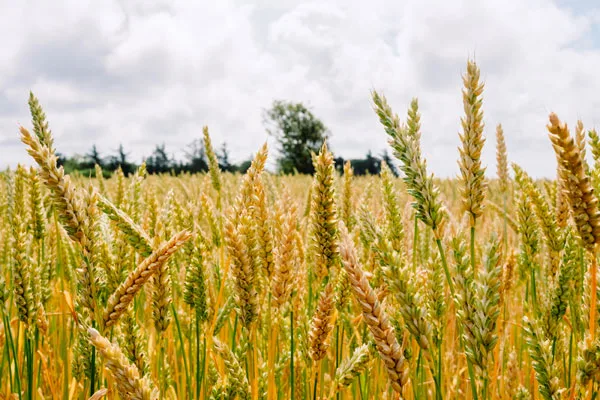
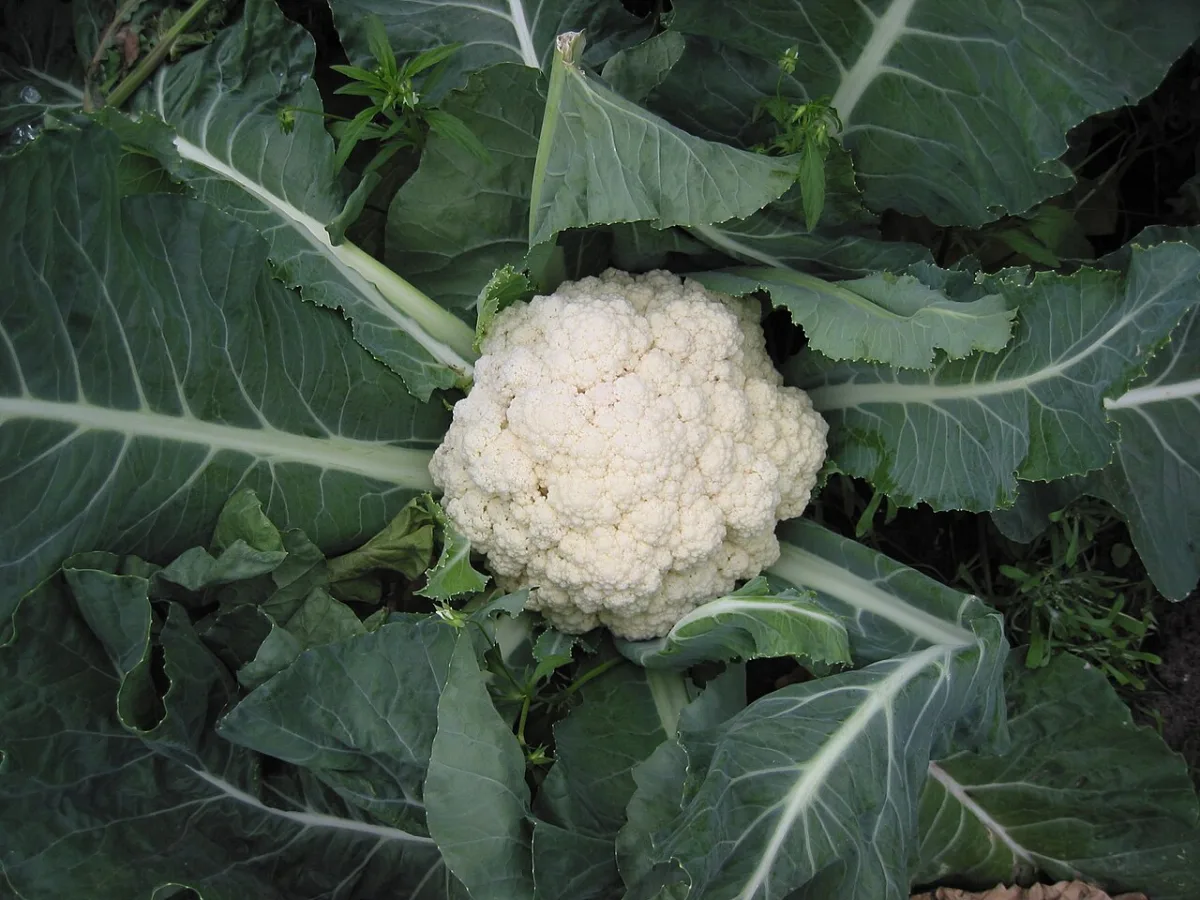
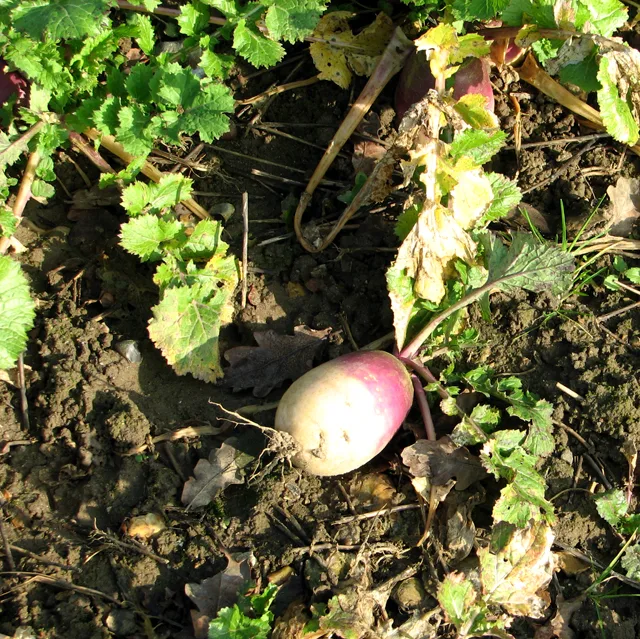
This collection brings together materials on organizing the nutrition of a wide range of crops: from cereals and fiber crops to vegetables, forage crops, and perennial fruit plantations. Readers will find information here on the peculiarities of agrotechnics for specific plant species, the principles of designing fertilizer systems for field and vegetable crop rotations, and recommendations on the application of nutrients under specific conditions, including the agro-climatic zones of the North Caucasus and Krasnodar Krai. The presented articles will help to gain a deeper understanding of the agrochemical foundations for developing effective nutrition strategies to achieve stable and high-quality results in crop production.