
Structure and design principles of the fertilizer system in agricultural production
8 min read
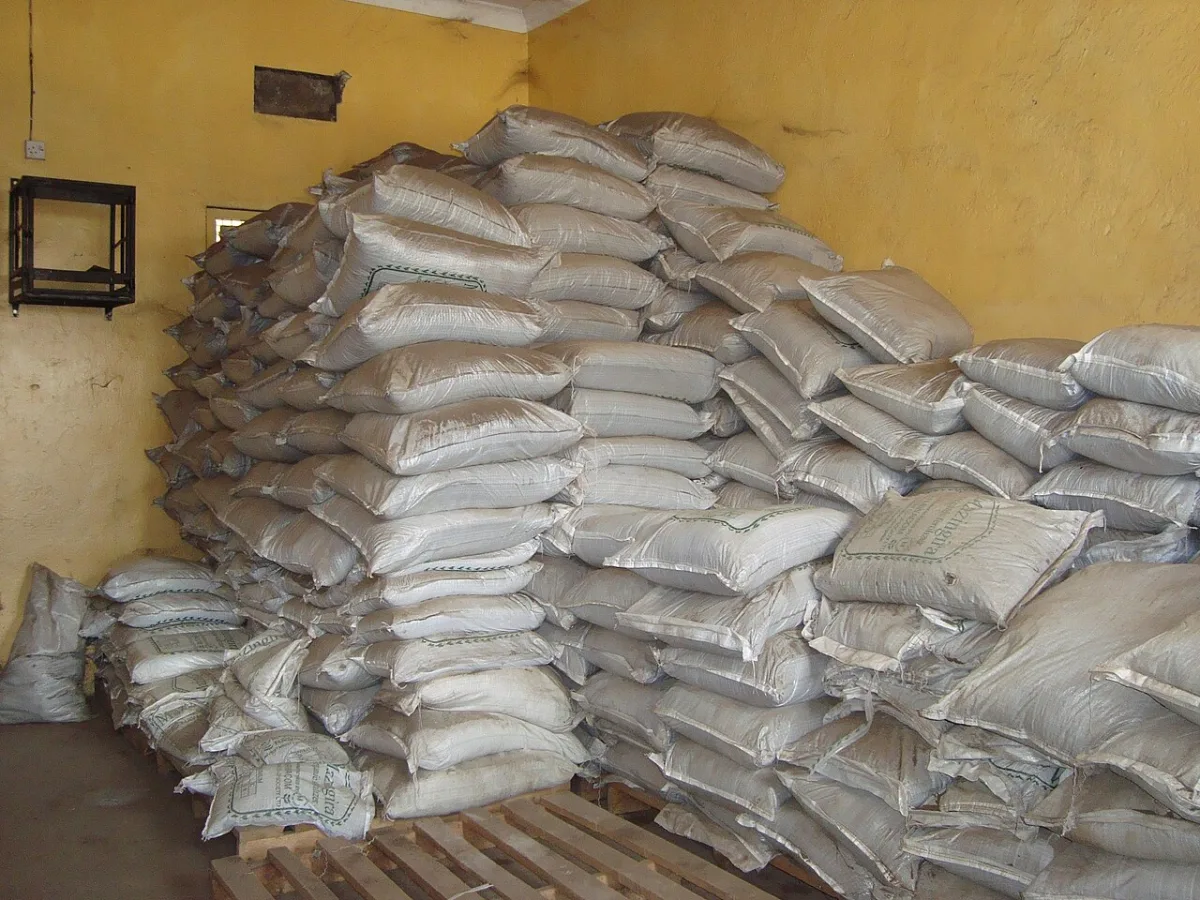
How to design a farm fertilizer system
Fertilizer system is a complex of techniques that directly determines yield and the profitability of land cultivation. It integrates crop rotation planning, storage, and application technology of nutrients on specific fields. The scale and structure of this system always depend on the farm's specialization and its area.
A working project of a fertilizer system includes four mandatory parts:
- A nutrition scheme for crop rotations, hayfields, pastures, or perennial plantations.
- Logistics: accumulation, preparation, and application technology of fertilizers.
- Environmental protection measures.
- Annual and calendar application plans.
For arable land, the basis is a long-term plan of fertilizer application in crop rotation. It takes into account soil fertility, the biological needs of plants, and the properties of the fertilizers themselves. Nutrient management for individual crops is planned as a combination of basal, at-sowing application, and top dressing. For each field, specific types, application rates, and doses of fertilizers are determined, as well as the timing and methods of their incorporation, depending on the predecessors and soil-climatic conditions.
For perennial plantations, the plan is drawn up for several years in advance for each plot, focusing on the age, species, and cultivar of the plants. It specifies the types and doses of basal fertilizer and top dressing, the periodicity over the years, and the timing and methods of their application. The scheme covers the entire life cycle of an orchard or vineyard:
- Fertilizer application before planting.
- Nutrition directly at planting.
- Fertilizing young plants.
- Systematic nutrition of fruiting plantations.
In hayfields and pastures, the fertilizer system works toward obtaining the maximum volume of high-quality forage crops. The choice of a specific nutrition scheme depends on the farm's specialization and the distance of fields from livestock farms. An agronomist can implement a manure-mineral, organic-mineral (combined), mineral, or purely organic system.
Calculating nutrient rates and fertilizer efficiency
The main task of an agronomist is to calculate optimal fertilizer rates for each crop for maximum return. Quantitatively, the nutrition system is characterized by the average saturation of a hectare with organic and mineral fertilizers, and qualitatively — by the return on investment of fertilizers through yield increase. The higher the planned harvest, the more nutrients need to be added to the soil. At the same time, there is no direct proportionality between yield growth and nutrient uptake: against a background of high agricultural technology, fertilizer efficiency is always higher.
The timing and methods of fertilizer incorporation directly determine their real performance in the field. They depend on the crop biology, cultivar, climate, current weather, as well as the properties of the soil and the fertilizers themselves. The total nutrition rate for a crop can be applied at once or fractionally in several steps. The timing and application methods must fully meet the needs of plants at different stages of their growth and development.
When determining rates, be sure to consider the aftereffect of nutrients applied to predecessors. For example, the aftereffect of manure and phosphorus fertilizers in the second year can be as effective as their direct action in the first year.
When calculating nutrition doses, it is important to rely on real nutrient uptake indicators. Different nutrient sources release substances at different rates. Below is the average uptake share of nitrogen, phosphorus, and potassium from mineral fertilizers and manure:
| Nutrient source | Nitrogen (%) | Phosphorus (%) | Potassium (%) |
|---|---|---|---|
| Mineral fertilizers | 50–60 | 20–25 | 50–60 |
| Manure | 20–30 | 30–40 | 60–75 |
The efficiency of a nutrition system is built on the correct combination of three application methods: basal, at-sowing, and top dressing. In crop rotation, they complement each other. When working with perennial plantations, pre-planting and at-planting application are added to these, and in hayfields and pastures, fertilizers are distributed in several timings.
Three application methods: how to distribute nutrition by growing season phases
Basal fertilizer provides plants with nutrition throughout the entire growing season, especially during the phases of intensive growth and maximum consumption. Most of the calculated rate is allocated to it. It should be applied before ploughing: this way, the granules reach the deep, more moist soil layer, where they work without interruption. In areas with sufficient moisture, deep incorporation is not as critical, so nitrogen is often applied in the spring. Irrigation availability also significantly influences application technology.
At-sowing (starter) fertilizer stimulates the growth of the root system and supports seedlings in the first weeks of life. Doses here are minimal, and incorporation is carried out locally — in the immediate vicinity of the seed. The local method allows plants to absorb nutrients much more completely than when distributed over the entire field surface.
Top dressing is used for prompt correction of nutrition during the growing season based on tissue or leaf analysis data. Part of the nutrition is also allocated to top dressing when working with high application rates of fertilizers or in cases where the basic application before sowing was not carried out on time.
Split application and the transfer of a portion of nitrogen to top dressing are mandatory on light soils, in regions with heavy rainfall, and in areas with shallow groundwater levels. This prevents nitrogen leaching beyond the root zone.
- The efficiency of localized application at sowing is 2–3 times higher than broadcast application
- The period for assessing actual yield for calculations is the last 5 years
- The number of main application methods in the system is 3 techniques
System design: from soil maps to annual planning
Designing a fertilizer system links soil potential, the biological requirements of the crop, and the farm's technical resources. The project is developed strictly in stages, relying on up-to-date field records.
- Data collection. Prepare an organizational and economic plan, a soil map, agrochemical charts, field history, yield data for the last 5 years, and evaluate the farm's machinery fleet.
- Crop rotation adjustment and land reclamation. Refine the structure of sown areas, determine the need for liming or gypsuming of soils, and estimate the actual volume of organic matter accumulated on the farm.
- Fertilizer distribution. Distribute the volumes of mineral and organic fertilizers among specific crops in the crop rotation.
- Logistics and technology development. Draw up technological maps for the preparation, storage, and application of fertilizers, and determine the need for storage facilities and specialized machinery.
- Balance and efficiency calculation. Prepare an agrochemical justification, calculate the balance of humus and nutrients in the soil, and evaluate the economic and energy return of the system.
The basic multi-year plan is adjusted in annual and calendar plans. Adjustment is necessary because soil fertility varies across different parts of the agrocenosis, and weather, market prices, and agrotechnical conditions change from season to season.
In the annual plan, the planned yield increase from fertilizers is calculated. Application rates are calculated based on agrochemical surveys of specific fields and the results of local field trials. Then, the rates are converted into the physical weight of specific fertilizers, and their procurement is distributed according to the timing of application. At this stage, volumes of organic matter accumulation are also planned to maintain a non-deficient humus balance.
The use of organic fertilizers, especially non-litter liquid manure, is associated with a high risk of environmental pollution. The application technology must be designed to exclude nutrient runoff into water bodies and groundwater, as well as to prevent their excessive accumulation in produce.
The calendar plan for application is based on the annual project. It details the exact timing of operations and the need for specific types of fertilizers for each crop in the field.
- the production of organic fertilizers, and the accumulation and acquisition of mineral fertilizers and soil conditioners by type and form are calculated;
- storage capacity is specified;
- the need for machines and implements for the transport and application of fertilizers is determined according to the schedule of agricultural operations.
Nitrogen fertilizer doses are further adjusted before sowing based on soil analysis results, and in top dressing — based on the results of plant diagnostics of plant nutrition.
Read next
Agrochemistry For students
Systems of mineral and organic fertilizer application in vegetable crop rotations
Vegetable growing For students
A system of rational fertilizer application for vegetable crops in open soil
Agrochemistry For students