Concept · 54 articles

Plant nutrition

Plant nutrition is a fundamental discipline combining the physiological processes of element uptake, soil science, and agrochemistry. Understanding the mechanisms of nutrient absorption through the soil solution, the role of the soil adsorption complex, and the influence of light and water regime allows both the agronomist and the gardener to take a well-grounded approach to managing crop growth. Knowledge of the classification of mineral elements, the role of secondary nutrients such as sulfur, and the mechanisms of humic acid action is key to increasing yield and plant adaptability to environmental stress factors.

This selection presents materials covering both the theoretical foundations of the science and practical research methods. The reader will become familiar with the history of the development of agrochemistry through the works of D.N. Pryanishnikov, K.K. Gedroyts, and K.A. Timiryazev, and will trace the evolution of concepts regarding photosynthesis and the humus theory of nutrition. The articles detail modern approaches to the study of mineral nutrition, including flow culture and split-root nutrition methods. The proposed block of materials will help systematize knowledge about the interaction of soil, fertilizer, and the biological characteristics of plants for effective agronomic practice.

Agrochemistry For students

Influence of the soil solution on the mineral nutrition of crops

The article examines key aspects of plant mineral nutrition through the interaction of soil, fertilizers, and climate. Special attention is paid to the dynamic composition of the soil solution and the influence of its concentration on the growth and development of crops

Agrochemistry For students

The role of the soil adsorption complex in plant mineral nutrition

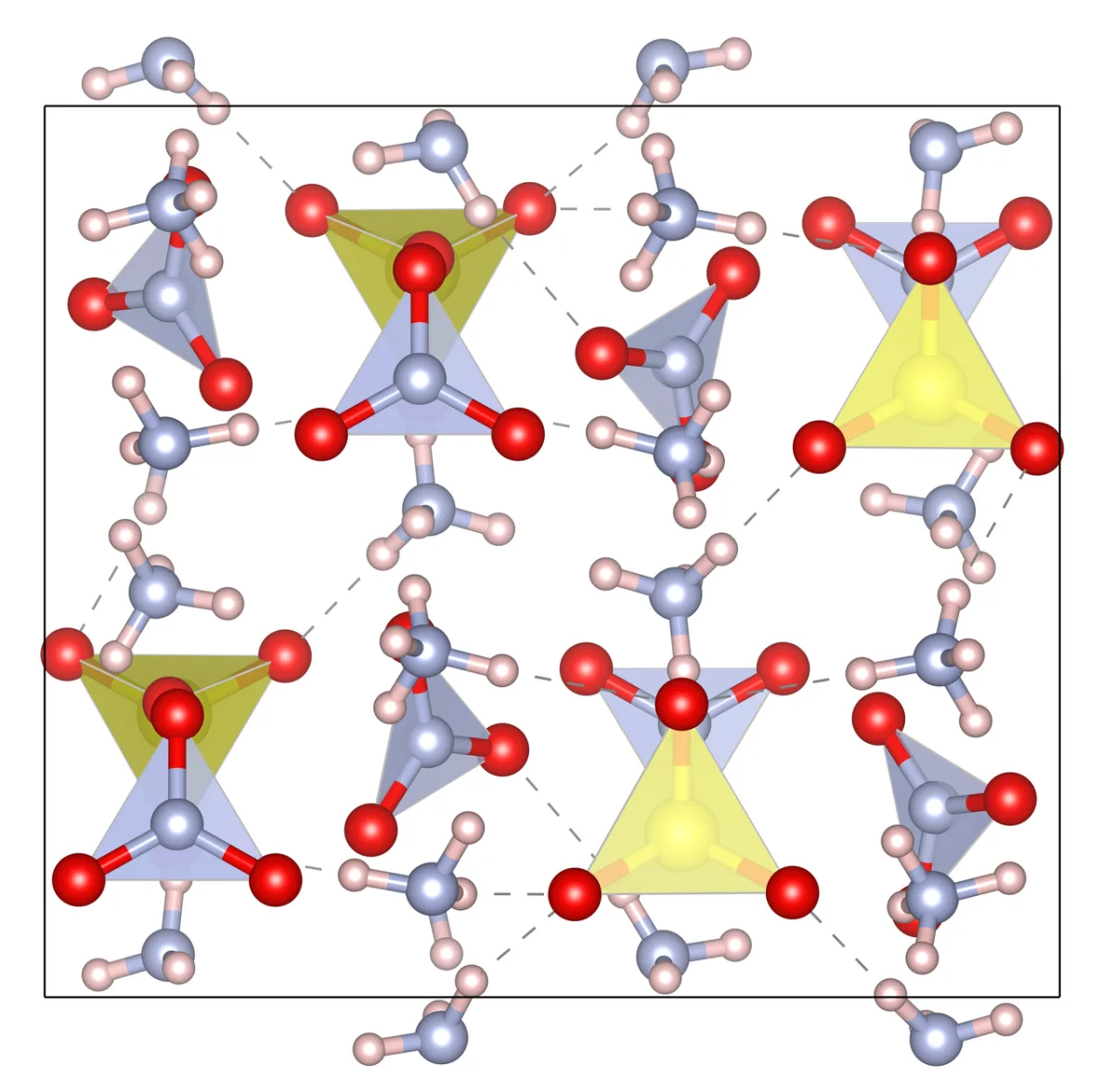
The soil adsorption complex serves as the main reservoir of nutrients, determining the efficiency of fertilizer retention in the root zone. The article examines the structure of colloids and the mechanisms of cation exchange between the soil and plants

Agrochemistry For students

The biological role of sulfur in plant nutrition and development

Sulfur is a key element for the synthesis of plant proteins and the maintenance of photosynthesis. The article examines the forms of sulfur uptake by plants, its influence on enzymatic processes, and the diagnosis of sulfur deficiency symptoms.

Agrochemistry For students

Classification and physiological role of mineral elements in plant nutrition

For proper development and completion of the life cycle, plants require 17 chemical elements, the deficiency of which blocks the growth of the crop. The article presents a classification of nutrients according to the level of their accumulation in dry matter: from macronutrients to ultramicronutrients

Soil and tillage For students

The role of the soil adsorption complex in nutrition and ion exchange

The soil adsorption complex acts as a primary reservoir of nutrients, preventing their leaching and providing plants with nutritional elements through the ion exchange mechanism. The article reveals the principles of adsorption, the role of colloidal particles, and the equilibrium dynamics between the solid phase of the soil and the soil solution.